
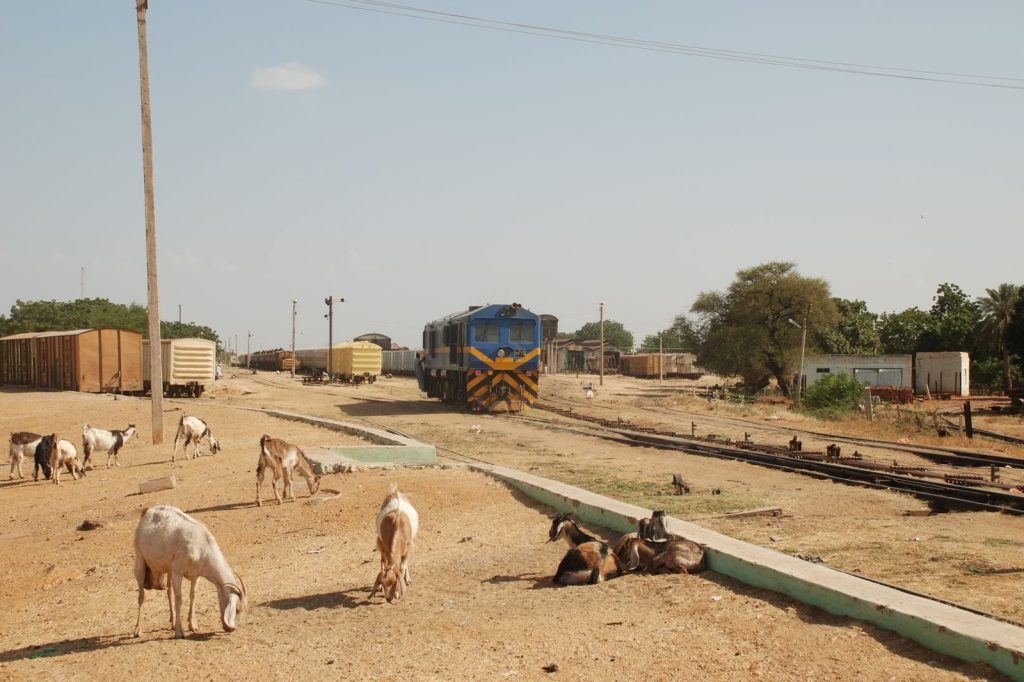
In Kosti, a city on the White Nile’s west bank, the cholera ward has no beds left. Patients lie on the floor of an open area outside the treatment center. “The situation is really alarming and is about to get out of control,” said Dr. Francis Layoo Ocan, who coordinates medical work for Doctors Without Borders there. “We’ve run out of space.”
Sudan’s health ministry said on a Saturday in late February 2025 that in three days, Thursday through Saturday, cholera in the city had taken 58 lives and made 1,293 others ill. Kosti sits 420 kilometers (261 miles) south of Khartoum.
No power, no clean water
The cause is plain once you see how residents are getting their water. The ministry said an attack by the Rapid Support Forces, the paramilitary group fighting the army, put the city’s water supply facility out of action. A major power outage followed. Families now haul water from the White Nile on donkey carts, and Doctors Without Borders considers the river the likeliest source of infection.
Local authorities have forbidden drawing water from the river and ordered stronger chlorination of the supply. Shops in the central market and most restaurants have shut. When the treatment center in Kosti hospital filled up, health authorities opened the adult and pediatric emergency rooms to take more patients.
The numbers climb
The UN humanitarian office OCHA, citing the federal health ministry, put the toll at 1,640 cases and 63 related deaths in White Nile State on February 23. That day alone brought 289 cases and five deaths. The surge strained the treatment center at Kosti Teaching Hospital, and staff from Rabak Hospital came to help.
On February 21, the World Health Organization, UNICEF and the ministry started a six-day oral vaccine campaign in Kosti and Rabak, aiming to reach 1 million people. The ministry also expanded an isolation center with UN and international medical groups.
The need now is fuel. Generators that keep the main water treatment plant running burn about 40 barrels of diesel daily, and the government covers only 30 per cent of that. Aid groups are asking for money for that fuel, plus rapid response teams, chlorinators, latrine desludging and oral rehydration points.
This is not Sudan’s first cholera crisis of the period. The epidemic began in July 2024 and had reached White Nile State by September. New cases there peaked from 4 to 10 November 2024 and had been falling until 10 February 2025. The Associated Press recalled that the disease killed more than 600 people and sickened over 21,000 in Sudan between July and October of 2024.
Sources
- Cholera kills 58 and sickens about 1,300 others over 3 days in a Sudanese city, health officials say
- Sudan: Cholera Outbreak in Kosti, White Nile State – Flash Update No. 01




