
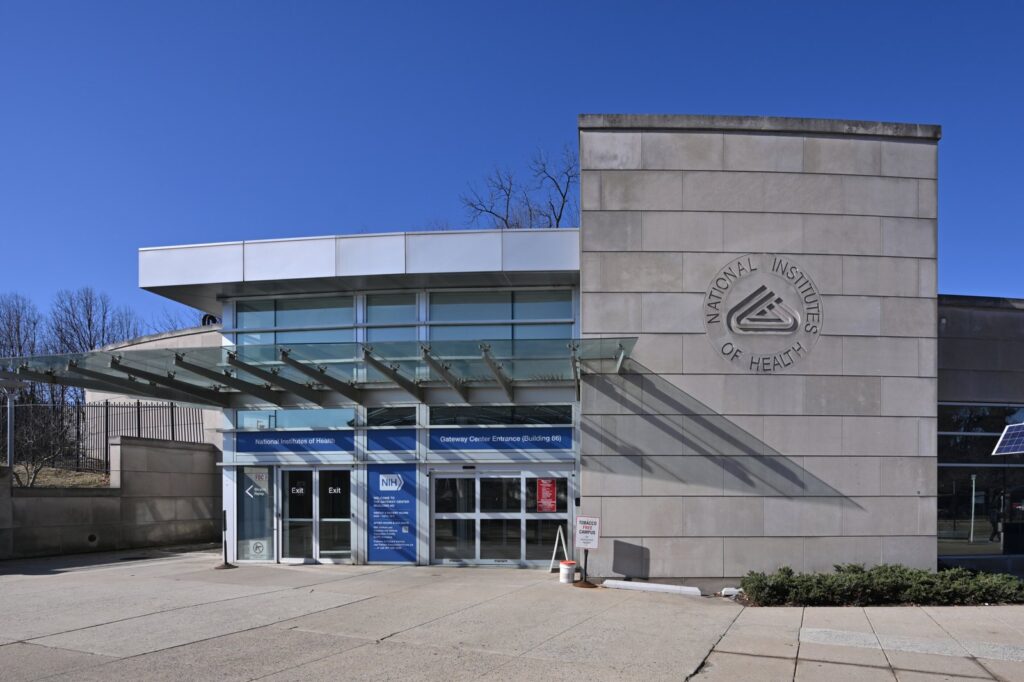
The National Institutes of Health has awarded a $3.4 million grant to researchers at Boston University School of Public Health and the University of Washington School of Public Health to study how power outages affect mortality among people who rely on electricity-dependent medical devices.
Study Focus on Mortality Risks for eDME Users
The research will examine the health threat of weather-driven power outages among adults aged 65 and older who rely on electricity-dependent durable medical and assistive equipment, such as ventilators, dialysis machines, oxygen delivery systems, and infusion pumps. These devices require continuous power to function, and interruptions can pose immediate health risks for users who depend on them to breathe, filter blood, or deliver medication.
Data and Scope of the Investigation
More than three million Medicare recipients in the United States rely on such equipment to live independently at home. The study will analyze Medicare data from 2016 to 2026 to quantify the impact of power outages on mortality within this group. Early estimates indicate that more than half of these individuals lived in counties that experienced power outages lasting eight or more hours in 2024.
Evaluation of Emergency Planning and Existing Programs
Researchers will assess how state-level emergency plans currently address the needs of electricity-dependent medical device users during outages. They will also evaluate whether existing programs, such as those allowing home modifications or generator purchases through Medicaid-funded home and community-based services, provide measurable health-protective benefits during power disruptions.
Implications and Next Steps
The findings aim to inform patients, clinicians, and healthcare systems on how to better protect this growing vulnerable population as extreme weather events increase the frequency and duration of power outages. Patients should talk to their doctor about backup power options and emergency preparedness for their medical equipment. The encouraging part is that this study will provide data-driven insights to improve protections for those who rely on life-sustaining devices at home. Consult your doctor for personalized advice on managing your health needs during emergencies.
Research Team and Institutional Collaboration
The study is led by Mary Willis, assistant professor of epidemiology and environmental health at Boston University School of Public Health, and Joan Casey, associate professor of epidemiology and environmental & occupational health sciences at the University of Washington School of Public Health. Their combined expertise in environmental health and epidemiology positions them to assess the intersection of climate-driven power disruptions and vulnerable populations reliant on life-sustaining medical equipment.
The research team includes additional co-investigators from both institutions. At Boston University School of Public Health, Paul Shafer, associate professor of health law, policy & management, and Eric Rubenstein, associate professor of epidemiology, contribute to the project. From the University of Washington School of Public Health, Marissa Childs and Nicole Errett, both assistant professors of environmental & occupational health sciences, along with Joshua Benditt, professor of medicine at the UW School of Medicine, provide specialized knowledge in environmental exposures and clinical outcomes.
This collaborative effort brings together expertise in public health, environmental science, health policy, and clinical medicine to conduct a comprehensive national evaluation of power outage risks among older adults using electricity-dependent durable medical and assistive equipment (eDME). The multidisciplinary approach aims to address both the immediate health threats during outages and the broader systemic factors influencing preparedness and resilience.
Backup Power Access and Socioeconomic Barriers
Many electricity-dependent medical device users face significant challenges in obtaining reliable backup power during outages. Portable, whole-house, and solar generators can cost thousands of dollars, making them financially inaccessible for individuals with limited income. The study notes that backup batteries for essential devices often last only 4 to 12 hours, which may be insufficient during prolonged outages. This gap in sustained power support increases health risks for users who depend on continuous operation of ventilators, dialysis machines, or oxygen delivery systems.
Researchers will evaluate whether existing Medicaid-funded home and community-based services programs that allow for the purchase of generators or home modifications provide measurable health-protective benefits during power disruptions. These programs aim to support independent living and community integration, but their effectiveness in ensuring uninterrupted power for life-sustaining equipment remains understudied. The project aims to determine if financial assistance through such services translates into improved resilience and reduced mortality risk during outages.
By focusing on the intersection of economic constraints, access to alternative power sources, and health outcomes, the study seeks to identify disparities in preparedness among eDME-reliant older adults. Findings will help inform policy and clinical guidance on how to equitably extend backup power resources to vulnerable populations, particularly those in low-income households or underserved geographic areas prone to frequent or extended power interruptions.
Methodology and Expected Findings
The study will analyze Medicare claims data from 2016 to 2026 to assess mortality risk among adults aged 65 and older who rely on electricity-dependent durable medical and assistive equipment (eDME) and experience power outages. Researchers will link outage duration and frequency data from utility sources with individual-level health records to estimate the association between power disruptions and death, adjusting for confounding factors such as age, comorbidities, and geographic location.
Using statistical models, the team aims to quantify excess mortality during outages and identify thresholds of outage duration that significantly increase risk. They will also evaluate variation in risk across states with differing emergency preparedness plans and access to Medicaid-funded backup power resources, such as generators or home modifications through home and community-based services.
Expected findings include evidence that prolonged outages (eight or more hours) are associated with increased mortality among eDME users, particularly those with respiratory or renal dependence. The study anticipates demonstrating that state-level emergency plans and Medicaid-funded programs offering generator access reduce mortality risk, thereby providing actionable insights for improving resilience in vulnerable populations.
Sources
- National Institutes of Health
- New Analysis Finds NIH Awarded 7,400 Fewer Grants
- Professors Receive $3.4 Million NIH Grant to Study Power Outages and Mortality Risk among People Who Rely on Electricity-Dependent Medical Devices
Photo: G. Edward Johnson (CC BY 4.0)




