
The ballot closed on 15 September 2024, and in the corridors of NHS England the sound was something close to a collective exhale. After 18 months, 11 separate strikes and a general election in between, junior doctors had voted to take the deal.
The margin was comfortable. According to the BBC, 66% of British Medical Association members backed the offer, with nearly 46,000 taking part in the online vote. The BMA’s own account says the referendum ran from 19 August to 15 September and that the result ended its pay dispute.
How the deal came about
Talks began on 23 July 2024, only weeks after Labour won the general election. The BMA’s resident doctors committee sat down with the new Health Secretary, Wes Streeting, and by Friday 26 July had a final offer in front of it. The committee judged it credible enough to put to members and recommended acceptance, having already walked out eleven times, the latest during the election campaign itself.
The money is spread over two years. A backdated 4% rise for 2023-24 sits on top of an average 9% increase the doctors had already received for that year, and a further rise of about 8% for 2024-25 followed the independent pay review body’s recommendation. Together that comes to around 22% on average, with the lowest paid getting the largest increases. Basic pay for a first-year junior doctor climbs from £29,384 in 2022-23 to £36,616, and those at the top of the scale earn more than £70,000. Overtime and unsocial hours typically add another 25% to 30%.
The BMA had asked for 35%, to repair what it describes as 15 years of awards that lagged inflation. Its junior doctor co-leader, Dr Vivek Trivedi, called the outcome a “compromise”. The deal had only begun, he said, “to turn the tide on pay cuts”, and the union warned of “consequences” if above-inflation rises did not follow.
The wider picture
Streeting said he was “pleased” and called the dispute the “most devastating dispute in the health service’s history.” Danny Mortimer of NHS Employers spoke for trust leaders: “Health leaders will breathe a massive sigh of relief to know that the dispute has come to a successful resolution.” The BBC put the cost of industrial action to taxpayers at around £1.7 billion across 2023 and 2024.
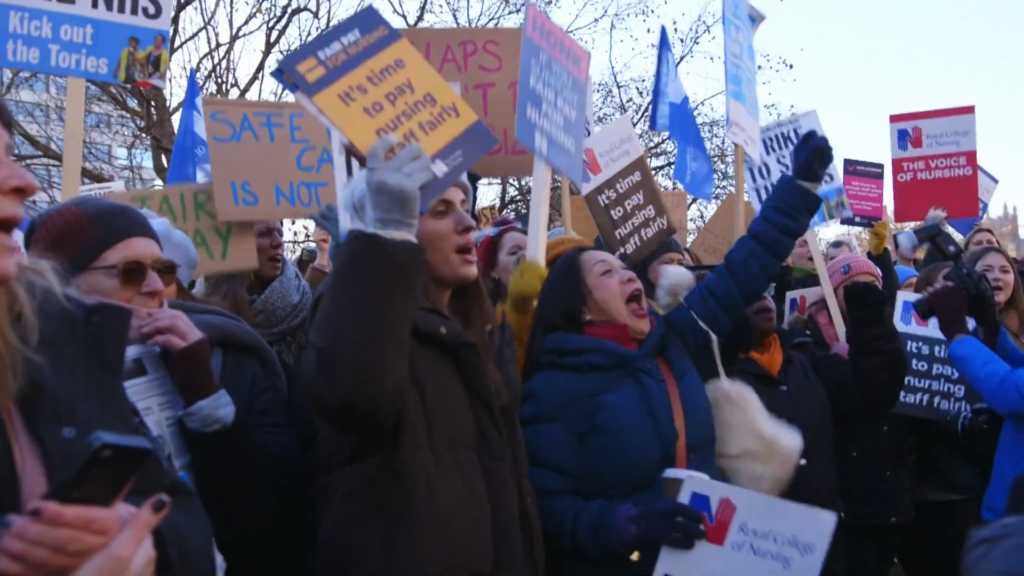
England was not the whole UK story. In Scotland, strike threats were headed off earlier. In March 2023 nurses in the Royal College of Nursing voted to accept an improved Scottish government offer, with 53.4% in favour, while 69% of Royal College of Midwives voters said yes. The offer carried a 6.5% increase starting in April. Added to a 7.5% rise imposed for 2022/23, many staff saw 13-14% over two years. Colin Poolman of RCN Scotland warned that the margin was narrow and that “much more is required for nursing staff to feel valued.” Junior doctors in Scotland never struck at all, having accepted an offer from the devolved government the year before. Wales had recently voted for an improved deal, and in Northern Ireland talks were continuing with no strike planned.
Nobody pretended this was a settlement for good. Streeting called it the necessary first step. Even the name changed: the title of junior doctor was to give way to resident doctor from that Wednesday.
Sources
- Junior doctors want more despite backing pay deal (BBC News)
- 2024 pay deal for resident doctors working in England (British Medical Association)
- Strike averted as nurses and midwives accept pay offer (BBC News Scotland)




