
Eighty-five thousand cases in a single year. That was England’s gonorrhoea toll in 2023, three times the 2012 figure and a record for the series that began in 1918, and it is the backdrop to a vaccination programme no other country had tried.
Sexual health clinics in England began offering a free jab on 4 August 2025 to those most exposed to infection. In practice that meant gay and bisexual men who had multiple recent partners, or who had had a bacterial STI during the last year. The health department and NHS England announced the start together.
A borrowed vaccine
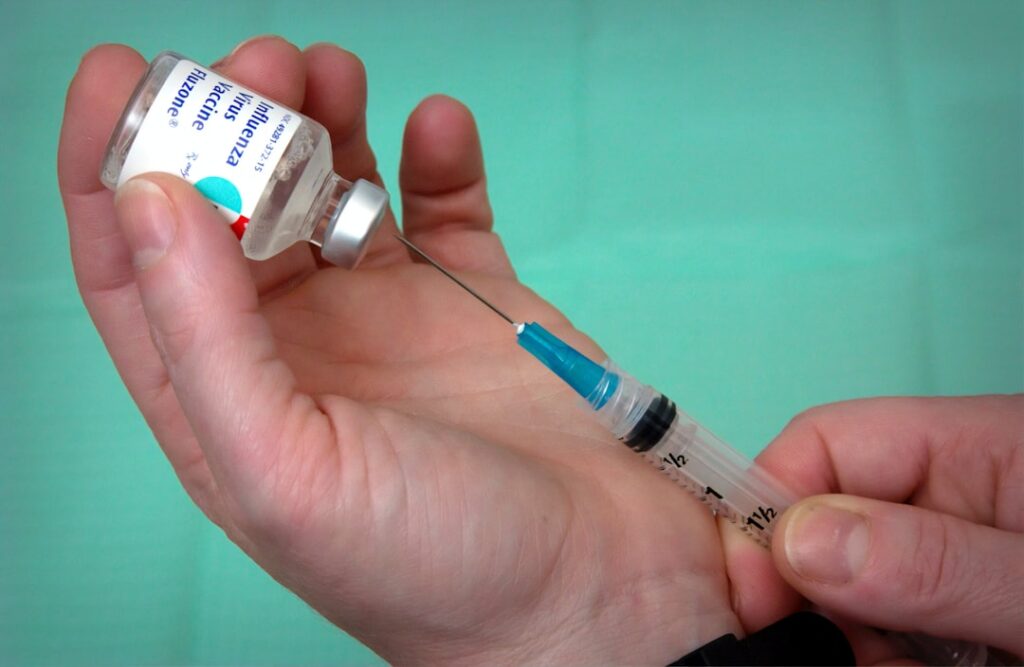
The vaccine was not built for gonorrhoea. It is 4CMenB, the meningitis B vaccine babies already receive, and it was tried on gonorrhoea because the germs behind the two diseases are close relatives. Early studies pointed to a cut of around a third in cases, and the BBC reported the jab as 30-40% effective when the plan was announced in May 2025. Professor Andrew Pollard, who chairs the committee that recommended the vaccine (the JCVI), said that even at 30% it was “worth having”.
Projections by Imperial College London showed that if take-up was good, the programme could prevent 100,000 cases and spare the NHS almost £8m across ten years. The government quoted a saving of £7.9 million.
Gonorrhoea is also getting harder to treat. Most cases clear after a single dose of antibiotics, yet the bacterium has spent 80 years developing resistance to one treatment after another. Dr Sema Mandal of the UK Health Security Agency called the roll-out hugely welcome, and pointed out that clinics would keep offering mpox, hepatitis and HPV vaccines to those eligible.
Now a trial says no
The picture has since become less clear. A trial in Australia, GoGoVax, followed 587 men for two years. Half got the MenB vaccine and half a placebo. The infection counts were almost identical: 291 in the vaccinated group and 285 among those who were not. It appeared in the NEJM. Researchers at Griffith University and Sydney’s Kirby Institute wrote that, combined with two other studies, it amounted to “strong evidence that the MenB vaccine is not effective for gonorrhea prevention”.
UKHSA, the national health protection agency, announced no changes for now. Dr Mary Ramsay of the agency said over 30,000 people in England had begun the course, which would yield “more robust data”. The Terrence Higgins Trust called the results disappointing and said the JCVI should reconsider the programme. “If the evidence has changed, the approach has to change too,” said Taku Mukiwa, the charity’s head of health programmes.
Meanwhile, annual diagnoses in England fell from a peak of 82,592 in 2022 to 63,943 in 2025, still a 50% rise on 2015.
Sources
- NHS begins roll-out of world-first gonorrhoea vaccine programme | GOV.UK
- World-first gonorrhoea vaccine launched by NHS England as infections soar | BBC News
- MenB vaccine offers men no protection from gonorrhoea, study says | BBC News




