
Two studies, nine years of publishing history apart, point at the same awkward fact about dementia. The brain starts changing long before anyone notices, and in one case long before the patient does either.
Oslo: changes before the plaques
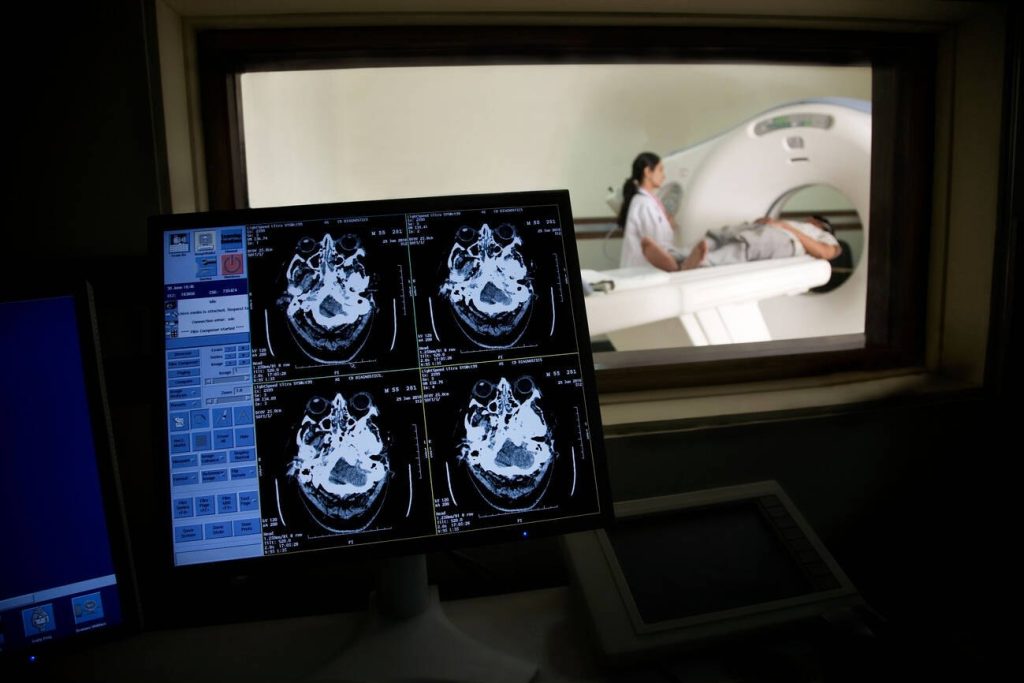
The newer work comes from the University of Oslo and was published in Nature Neuroscience. Researchers followed healthy individuals who had regular MRI scans for nearly 20 years, then looked back at the scans from the previous decade. They compared people who later showed amyloid plaques with people who never did.
Structural changes in the brain turned up at least seven years before plaques became visible on PET scans, the current standard for spotting the earliest signs of Alzheimer’s. That suggests amyloid-PET may miss some of the first changes.
“We found the earliest signal detected on brain scans to date, which could be useful for tracking the disease before symptoms emerge,” said James Michael Roe, the study’s main researcher. Anders Martin Fjell, head of the Center for Lifespan Changes in Brain and Cognition, stressed who was being scanned: “These are cognitively well-functioning older individuals.”
Fjell gave two possible explanations. Harmful processes tied to plaque buildup may already be running while the plaques stay invisible. Or other biological processes may be altering the brain before amyloid accumulates. If the second is right, he said, “it is important to continue developing drugs that target processes other than amyloid plaque accumulation. But we need more research on this.”
Rush: the patient stops noticing
The older study, published online in Neurology on August 26, 2015, looked at something different: when people lose track of their own memory problems. Robert S. Wilson of Rush University Medical Center in Chicago led it.
His team analysed 2,092 participants from three ongoing studies, each of which had followed older adults for more than 10 years. They averaged 76 years old at the start and showed no memory or cognitive impairment. Every year they took tests of memory and thinking, and they were asked how often they had trouble remembering things and how their memory compared with 10 years earlier.
Of the 239 people diagnosed with dementia during the study, memory awareness held steady and then fell sharply an average of 2.6 years before onset. That came after several years of memory decline. “Virtually everyone had a lack of awareness of their memory problems at some point in the disease,” Wilson said.
One result ran against expectation. Unawareness began earlier in younger participants than in older ones. The researchers suggested older people may be more likely to treat memory loss as a normal part of aging.
Brain autopsies on 385 participants who died during the study covered seven types of dementia-related change. Three were tied to the rapid drop in awareness: tau proteins or tangles, infarcts (areas of brain damage), and changes in the protein TDP-43.
Wilson drew a practical point from it. Doctors deciding whether someone has dementia should gather information from family and friends, he said, because “people may be unable to give reliable reports about the history of their own memory and thinking abilities.” The study was supported by the National Institute on Aging and the Illinois Department of Public Health.
Sources
- Alzheimerâs may leave a mark on the brain long before plaques appear
- Awareness of memory loss may decline two-three years before dementia onset




