
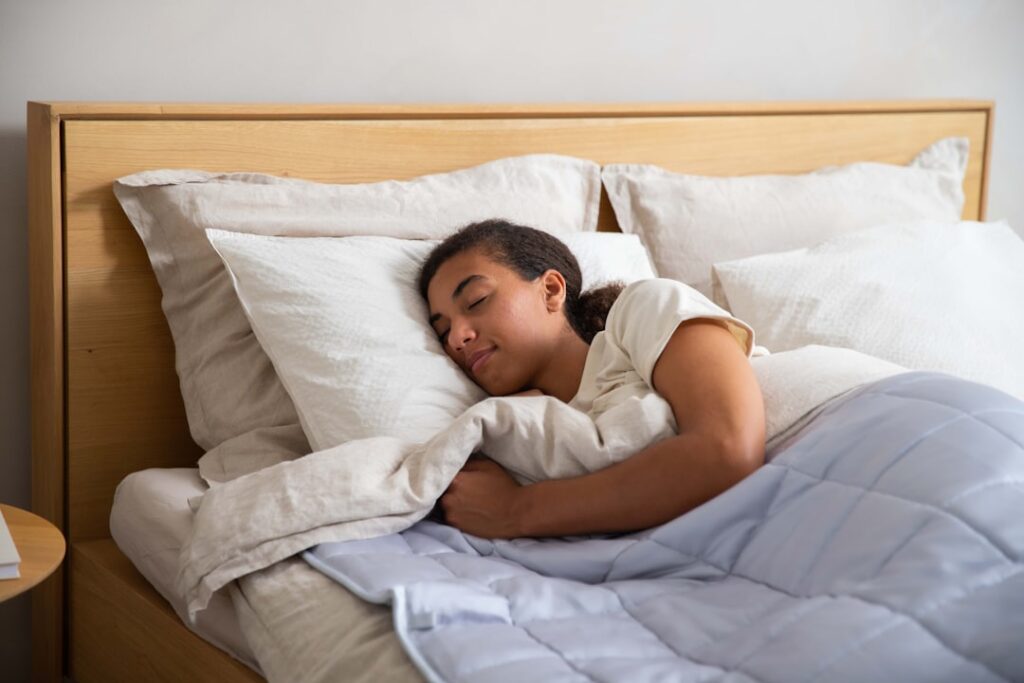
A new analysis published in JAMA indicates that the proportion of U.S. high school students getting five hours or less of sleep on school nights has climbed significantly over the past decade and a half. The study, which examined self-reported data from over 120,000 students collected between 2007 and 2023, found that approximately 23 percent of teens now fall into this category of severe sleep deprivation.
This marks a 7-percentage-point increase from the roughly 16 percent reported at the start of the study period. The research also documented a broader decline in sleep duration. The share of students getting less than seven hours of nightly sleep rose from about 69 percent to 77 percent over the same timeframe.
Seven hours falls below the eight-hour threshold long considered standard for adolescent health, a benchmark that is becoming increasingly uncommon. According to the study’s authors, the findings support a case for policy intervention, with later school start times cited as a specific, actionable measure.
The reasoning is based on adolescent biology: circadian rhythms shift naturally during the teenage years, making early morning classes misaligned with the body’s internal clock. Delaying school start times would allow students to sleep in alignment with these biological changes. The trend was observed across all demographic groups, indicating it is not limited to specific populations.
However, teenagers already experiencing depression were disproportionately affected. Chronic sleep loss during adolescence is associated with elevated risks for depression, anxiety, cardiovascular disease, and diabetes, as well as impaired academic performance and concentration.
The figure of 23 percent translates to nearly one in four high school students operating on five hours of sleep or less. This level of deprivation is linked to diminished judgment, weakened immune function, and emotional instability. Unlike a single night of poor sleep, chronic short sleep accumulates and is not easily reversed. The study acknowledges limitations inherent in self-reported data, as teens may inaccurately recall or report their sleep duration.
Nonetheless, the researchers argue that a 7-point rise in the most severe category over 16 years represents a genuine trend rather than a measurement error. The analysis does not identify specific causes for the decline.
However, the timeline coincides with the proliferation of smartphones, social media, and constant connectivity. Homework loads and extracurricular pressures have not diminished, and academic competition has intensified. The study suggests that sleep has been the casualty of these competing demands.
The consequences extend beyond fatigue. Sleep-deprived adolescents face heightened vulnerability to mental health crises, chronic physiological stress, and disruption of restorative brain development.
The JAMA paper adds to existing evidence framing adolescent sleep as a public health issue rather than a matter of personal choice. Later school start times are presented as one potential solution, though not a complete remedy. Some districts that have implemented later start times reported improvements in attendance and alertness, while others encountered challenges with bus scheduling and after-school activities.
Research generally indicates that benefits outweigh logistical difficulties, though successful implementation is key. The study’s authors recommend that families with concerns consult a physician.
They emphasize, however, that individual households can adjust bedtimes but cannot change school schedules or a broader culture that often prioritizes productivity over rest. The core statistic remains: nearly one in four high school students is experiencing severe sleep deprivation.




