
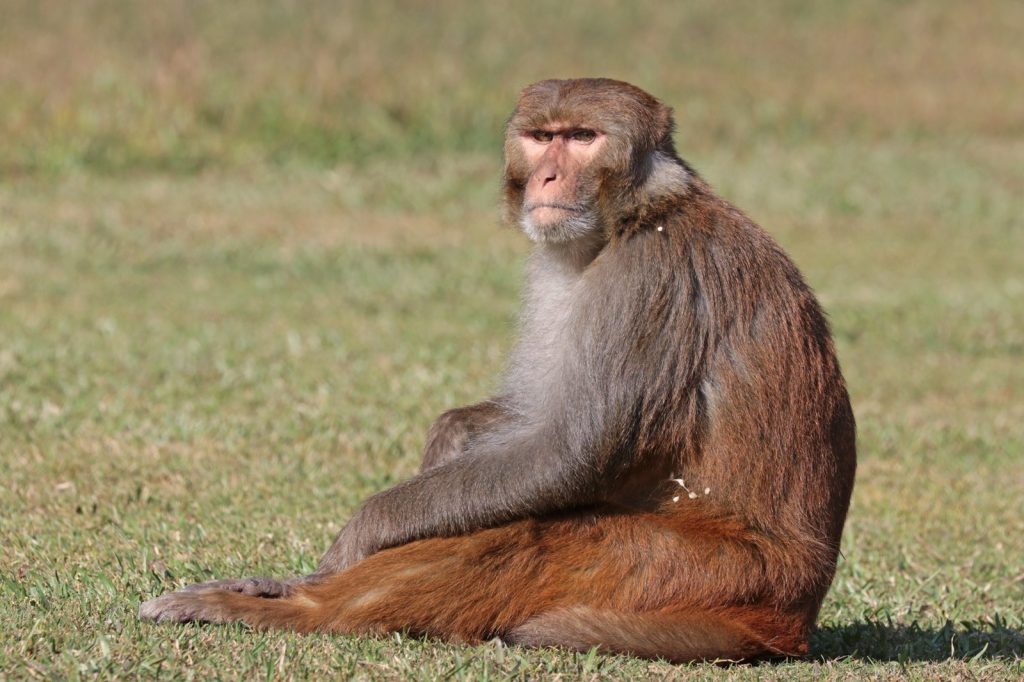
When the novel coronavirus began spreading worldwide in early 2020, health authorities wrestled with a pivotal question: would individuals who recovered from COVID‑19 be vulnerable to a second infection? A pre‑print investigation involving rhesus macaques, highlighted in a March 25 MedCram lecture by Dr. Roger Seheult, offered a direct response. The study’s findings suggested that an initial encounter with SARS‑CoV‑2 could confer protection against later exposure, a conclusion that bears immediate relevance for vaccine development and pandemic modeling.
In the experiment, a small cohort of rhesus macaques was inoculated with SARS‑CoV‑2. After the animals cleared the virus and displayed clinical recovery, they were re‑challenged with the same strain.
One monkey was euthanized after the second exposure to allow detailed tissue analysis. Researchers reported an absence of viral replication, no detectable viral antigens, and no pathological damage in the examined tissues. Summarizing the outcome, the authors wrote that the primary infection “could protect from subsequent exposures, which have vital implications for vaccine design and disease prognosis.” Although the work was limited to a handful of non‑human primates and had not undergone peer review at the time, its implications were amplified by the scarcity of data during the early pandemic stage.
Dr. Seheult, known for distilling complex medical topics, used the monkey results to argue that widespread immunity could curb viral spread. He noted that if 50‑60 % of a community had already tested positive, the virus would encounter fewer susceptible hosts, making further transmission difficult—an inference that hinges on the assumption of lasting post‑infection immunity.
The timing of the lecture coincided with a period of severe testing shortages, dwindling personal protective equipment (PPE) for frontline workers, and limited understanding of immune dynamics. Within this context, Dr. Seheult explored how antibodies develop after infection and highlighted emerging serological tests capable of detecting past exposure. He suggested that antibody screening could reveal the true extent of population infection beyond PCR‑confirmed cases, thereby informing estimates of collective immunity and the virus’s remaining growth potential.
One practical implication discussed was the possible role of recovered health‑care personnel. If prior infection indeed provided protection, clinicians who had already contracted COVID‑19 might safely care for patients even in settings with suboptimal PPE, potentially easing staffing pressures in overwhelmed hospitals.
It is important to stress that the monkey study was a pre‑print and not a clinical trial in humans. Likewise, antibody tests referenced in the lecture had yet to receive broad regulatory approval. Nonetheless, the data presented painted a picture of a virus that, like many respiratory pathogens, may leave behind an immune shield after the first encounter.
This notion supported optimism that vaccines could elicit comparable protection and that communities experiencing intense outbreaks might gradually become less vulnerable. In sum, the rhesus macaque research offered early scientific support for the idea that primary SARS‑CoV‑2 infection can prevent reinfection, a concept that underpinned discussions of herd immunity, vaccine strategy, and pandemic trajectory during a period of profound uncertainty.




