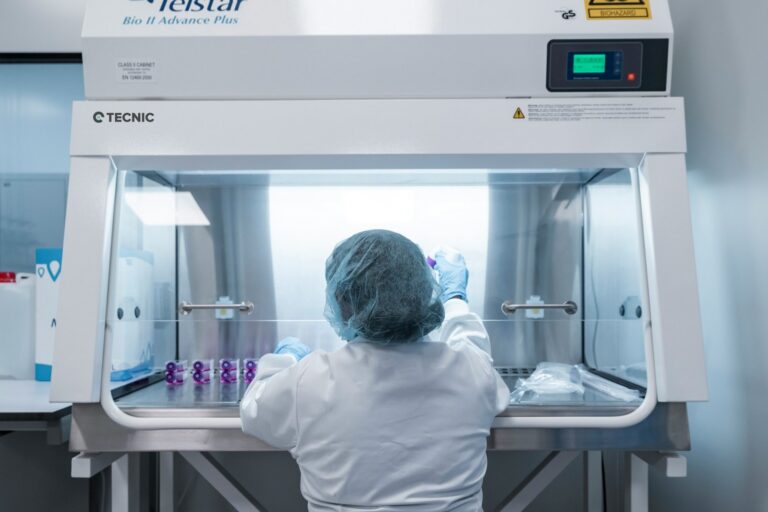
Transarterial chemoembolization, or TACE, is a treatment for liver tumors, and recovery can bring pain, anxiety and a cluster of symptoms called post-embolization syndrome. A hospital study in PLOS One, published June 29, 2026, asked whether a mindfulness program could take the edge off.
The results look favorable. The design, though, limits how much they can prove.
How the study worked
It was a retrospective, quasi-experimental study. The patients all had advanced hepatocellular carcinoma and underwent TACE in one hospital’s interventional department between January 1, 2023 and August 31, 2025. Some received standard perioperative care alone. Others got standard care plus mindfulness-based stress reduction, known as MBSR.
The authors are open about a weakness. Patients were not randomized. They were assigned by the inpatient ward where they received nursing care, a natural grouping set by routine hospital triage and bed availability, and only one ward ran the mindfulness program.
The team looked at post-embolization syndrome 72 hours after the procedure. They used a numerical rating scale for postoperative pain, the Hospital Anxiety and Depression Scale for mood, and a scale called SUPPH for self-care efficacy.
What they found
Compared with standard care, the mindfulness group had significantly lower pain scores at every time point assessed, used fewer analgesics and escalated them less, and scored lower for anxiety and depression. Their self-care efficacy scores were significantly higher.
Post-embolization syndrome occurred in 34.9% of the mindfulness group against 48.5% of the standard care group (P = 0.047). Abdominal pain was the main symptom in both groups, at 85.7% and 83.8%. Hospital stays after the procedure were also shorter for the mindfulness group.
After adjusting for clinically relevant factors, mindfulness remained independently associated with a lower risk of the syndrome, with an adjusted odds ratio of 0.55 (95% CI 0.31 to 0.96). The benefit looked consistent across groups defined by ECOG performance status, BCLC stage and cause of disease. It was strongest in patients with Child-Pugh B liver function, where the odds ratio was 0.10.
Because this was a single-hospital, non-randomized comparison, an association is all it can show. A randomized trial would be needed to say mindfulness caused the improvement. Patients with liver cancer should talk to their doctor about any supportive care they are considering.