
Picture a man in his fifties on a gym floor, barbell racked, who has never once jumped onto a box. A new meta-analysis suggests he may be missing the half of the workout his bones care about most.
The analysis, reported by NaturalNews, found that exercise produced statistically significant gains in bone mineral density at the lumbar spine and the femoral neck in men over 45. The total hip did not respond in a significant way.
Bone loss in men tends to go unnoticed. Prior research cited in the report puts the risk at about one in four: roughly 25% of men over 50 will suffer a fracture tied to low bone density.
What kind of exercise worked
Multicomponent programs came out on top. These pair resistance training with impact work such as jumping or plyometrics. Training with a single mode, whether resistance alone or aerobic exercise alone, showed weaker effects.
The report leans on a textbook on integrative pain medicine to explain why. Bone answers mechanical stress by adding mass and strength, either through direct impact in weight-bearing activity or through the pull of attached muscle.
Many men who already lift regularly may lack the impact piece, the report notes, and that piece appears essential for stimulating the femoral neck.
How often, and for how long
Frequency mattered. Programs with three or more sessions a week led to significant gains. Fewer sessions did not reach statistical significance. The study authors said the mechanical loading from each session triggers bone remodeling, and steady stimulation seems necessary to keep that going.
Duration mattered too. Interventions running longer than six months produced significant improvements at the lumbar spine; shorter ones did not. The femoral neck was quicker. It responded even in studies lasting six months or less, which the report says suggests it is more sensitive to early loading.
One practical plan floated in the report: two days of full-body resistance work, such as squats, deadlifts, rows and overhead press, plus one day of impact work like jump rope, box jumps or stair intervals. A fourth session could be added as fitness improves. Nutrition counts as well, including enough protein, calcium and vitamin D.
Why the hip stayed flat
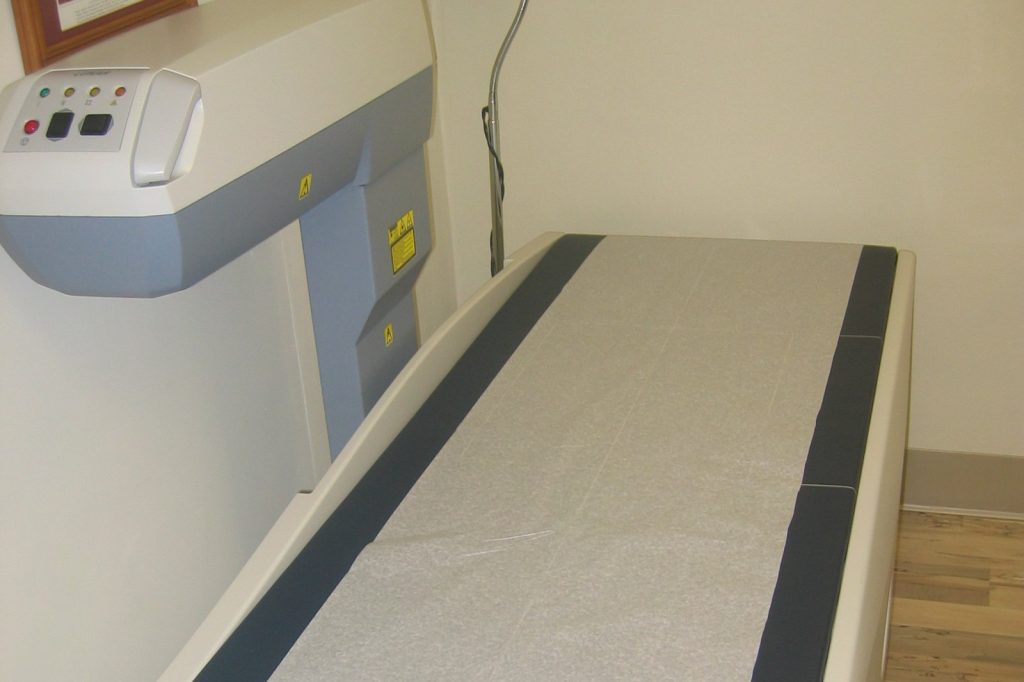
The researchers said the flat result at the total hip is not a failure of exercise. The hip holds a higher share of dense, compact bone, which adapts more slowly than the spongy bone in the spine and femoral neck. Stable hip density alongside gains elsewhere is an expected outcome, they said, and improvements at the spine and femoral neck on a DEXA scan show the program is working.
Body weight, smoking and alcohol use have also been linked to bone density in middle-aged men, according to the report.
The researchers concluded that resistance plus impact training, kept up over time, offers the most reliable non-drug route to preserving bone density. Treat it as a permanent habit, the report says, and the men most likely to see measurable gains are the ones who stick with it.




