Twelve trials, 1,061 men, one fairly clear answer: exercise can raise bone density in middle-aged and older men, but only at certain spots, and only if the program is built the right way.
That is the finding of a systematic review and meta-analysis published in Frontiers in Physiology. The authors pooled randomized controlled trials of exercise in men aged 45 and over, drawn from searches of PubMed, Web of Science, Embase and other databases through December 20, 2025. The search turned up 2,213 records. After duplicates and screening, 12 studies made the cut.
Where it worked and where it did not
Exercise significantly raised bone mineral density at the lumbar spine and the femoral neck, the narrow part of the thigh bone just below the hip joint. It did not produce a significant benefit at the total hip or at other regions dominated by cortical bone. The authors describe the spine and femoral neck as high-fracture-risk sites.
Osteoporosis in men gets less attention than it deserves, the authors write. It affects roughly 12 percent of men worldwide, a figure that passes 20 percent in some regions, and disability and death after a fracture can exceed what women face. Most research has been done on women, though, and clinical guidelines for men are largely extrapolated from female studies. Drugs such as calcium, vitamin D, hormone therapy and bisphosphonates are common treatments, but the authors note long courses, side effects, cost and poor adherence.
What the programs looked like
The trials were published between 2007 and 2021. Participants’ average ages ranged from 50.9 to 77.8 years, and 540 men were in exercise groups against 521 in control groups. Most control groups got usual care or no intervention.
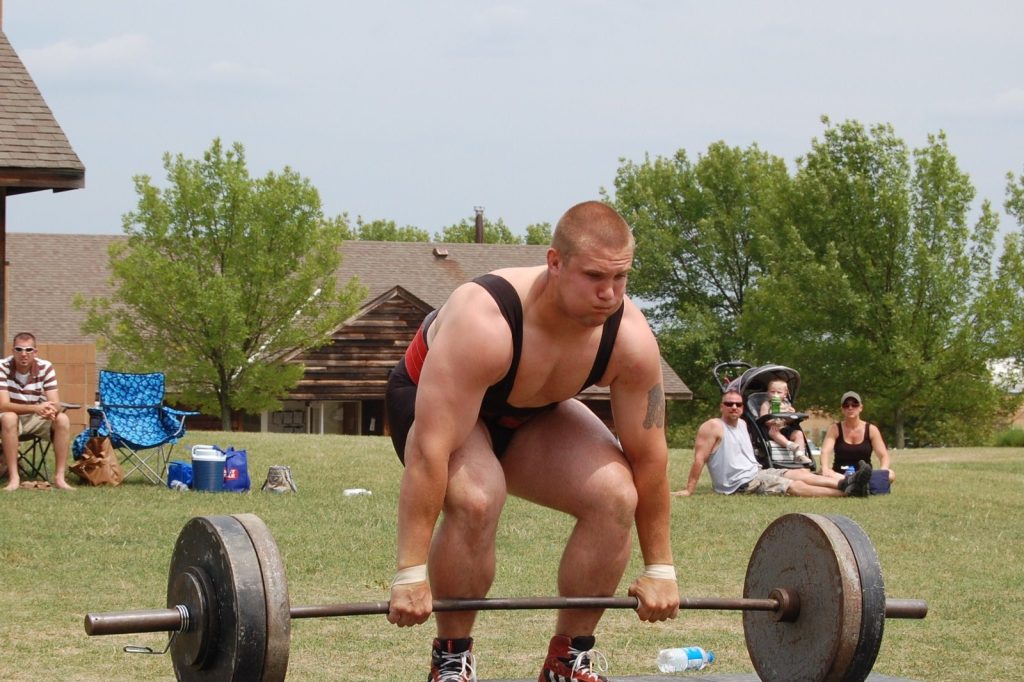
Resistance training was the most common approach. Seven trials used impact or weight-bearing exercise, seven used multicomponent programs, and two used aerobic training. A few were less conventional: football, table tennis, whole-body vibration and Tai Chi. Programs ran from 6 to 18 months, and most prescribed two to five sessions a week of 20 to 60 minutes.
Three factors stood out in the subgroup analyses. Programs of more than six months did best. So did those with at least three sessions a week, and those that combined several types of exercise rather than relying on one.
The authors say these results support exercise prescriptions designed specifically for men, and they stress how much training frequency and type matter for the skeleton to respond.
Men with concerns about bone health or fracture risk should check with a doctor before starting a new training program.