
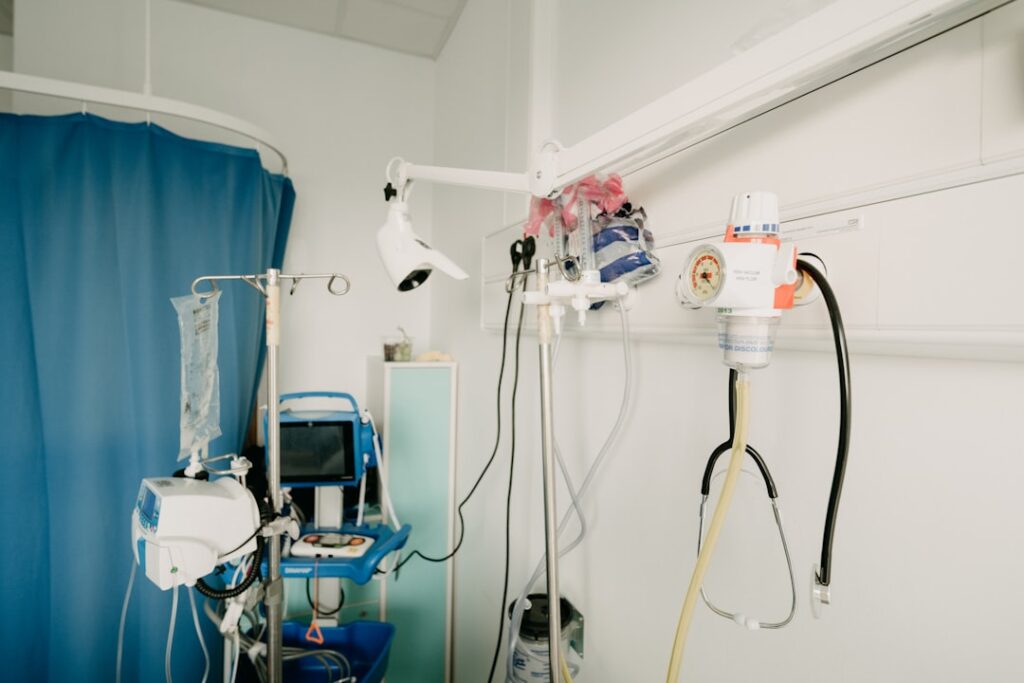
Three people lay in a hospital in a rural corner of Equatorial Guinea, their symptoms mild and improving. Nine others were already dead. On Monday, February 13, 2023, the country’s health minister, Mitoha Ondo’o Ayekaba, told a press conference that the cause was Marburg virus disease, a filovirus cousin of Ebola. It was the first time the illness had ever been declared in the country.
The trouble had started quietly. A district health official spotted the outbreak on February 7, 2023, when patients turned up feverish and exhausted, some vomiting blood. Eight samples went to the Institut Pasteur laboratory in Senegal. One came back positive. By the time the Africa CDC issued its statement on February 14, the tally was a single confirmed case, nine dead and 16 more people suspected of infection, spread across two communities in Kie-Ntem province.
A province under quarantine
Kie-Ntem lies on the mainland’s east side, a sparsely populated area of dense equatorial forest bordering Gabon and Cameroon. The government declared a health alert there and next door in Mongomo district, put a containment plan in place with the World Health Organization, and quarantined the province. The WHO said advance teams were already in the affected districts, tracing contacts and isolating anyone with symptoms.
For families in those communities, that meant strangers in protective gear asking who had touched whom. Marburg passes from person to person through touch with the bodily fluids of the sick, or with bedding and surfaces they have fouled. Fruit bats usually pass it to people first. There is no authorised vaccine and no specific drug, only supportive care, and rehydration can improve the odds of survival. The Africa CDC sent its own team and began talks with Gabon and Cameroon on watching the border.
How it grew
The early count did not hold. The WHO later said suspected deaths had been reported between January 7 and February 7, which means the virus was circulating before anyone knew its name. By April 11, 2023, the outbreak had reached 15 laboratory-confirmed cases and 23 probable ones, across five districts in four provinces. Bata, the mainland’s big city, had the most confirmed cases, nine, and six of the deaths. Eleven of the confirmed patients had died, a case fatality ratio of 78.6%. Four of the confirmed cases were health workers; two of them died. Three patients recovered.
Historically the virus has killed between 24% and 88% of those it infects, depending on the strain and the care available. In Angola in 2004, 90% of the 252 people infected died. On March 30, 2023 the WHO rated the risk as very high nationally and low globally.
Sources
- Press Release on Marburg Virus Disease in Equatorial Guinea (14 February 2023)
- Marburg virus: Equatorial Guinea confirms outbreak
- Equatorial Guinea confirms Marburg virus outbreak
- Marburg virus disease – Equatorial Guinea (WHO Disease Outbreak News)




