
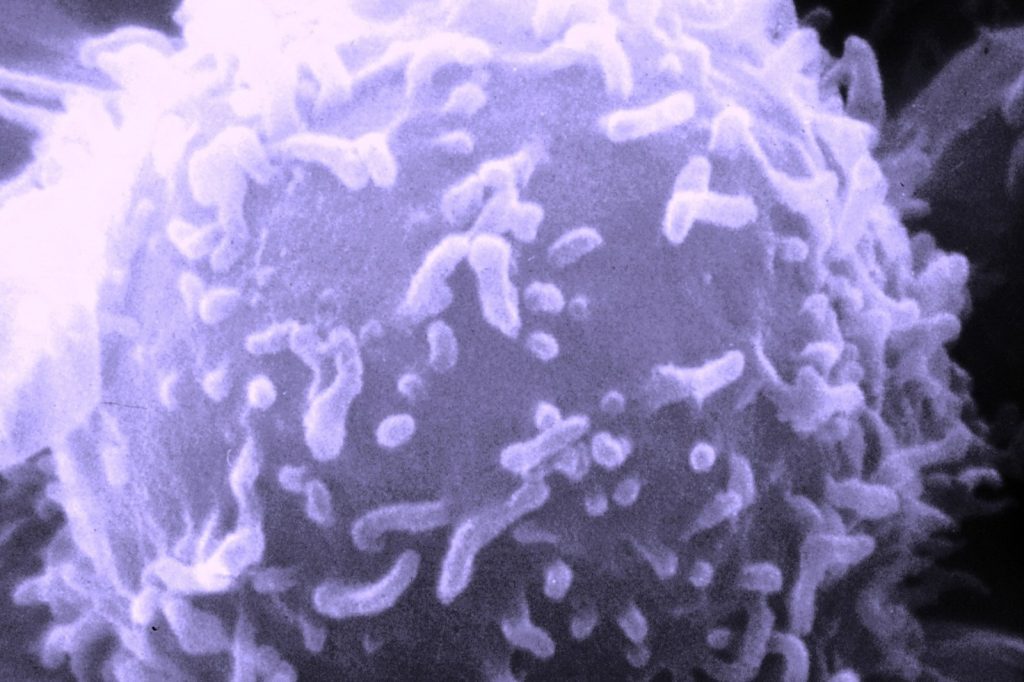
A wood splinter in your finger sets the immune system off. So does a virus, a bacterium, a parasite or a cancer cell. The system’s job is to tell all of these apart from the body’s own healthy tissue.
It works in layers. Physical barriers come first: skin, the coughs and sneezes that eject irritants from the lungs, tears and urine that flush pathogens out, and mucus that traps microbes. Chemical defenses back them up, including antimicrobial peptides in the skin and airways, enzymes in saliva and tears, and gastric acid in the stomach. Friendly bacteria in the gut and genitourinary tract compete with harmful ones for food and space.
The fast response
A pathogen that gets past those barriers meets the innate immune system. It reacts at once, but in a general way, and it does not leave lasting protection.
Phagocytes do much of the work. Neutrophils, the most abundant, make up 50% to 60% of circulating white blood cells and are usually first to arrive at an infection. Macrophages live in tissue and also clear away worn-out cells. Dendritic cells sit in the skin, nose, lungs, stomach and intestines, where they hand pieces of invaders to T cells.
Natural killer cells take a different approach. They do not attack microbes directly. They destroy tumor cells and virus-infected cells by spotting a “missing self” signal, a low level of the surface marker MHC I. Humans also have ten described toll-like receptors, which detect molecular patterns common to broad groups of microbes.
The learned response
Vertebrates add a second layer. The adaptive immune system activates after the innate response and tailors its attack to the specific pathogen. Afterward it keeps a memory, so the next encounter brings a faster and stronger reaction. That memory is the basis of vaccination.
Both layers depend on telling self from non-self. Antigens, the foreign molecules that trigger a response, are one class of non-self.
When the system misfires, the results vary. A hyperactive one attacks normal tissue, as in rheumatoid arthritis, type 1 diabetes and lupus. An underactive one leaves people open to repeated, life-threatening infections, whether from a genetic disease, HIV/AIDS or immunosuppressive drugs. Anyone worried about their own immune health should consult their doctor.




