
The shift started with a leak. In February 2015, a cache of files from HSBC’s Swiss private bank went public through more than 45 media organizations worldwide, and bank secrecy stopped looking like a quiet Swiss specialty and started looking like a liability.
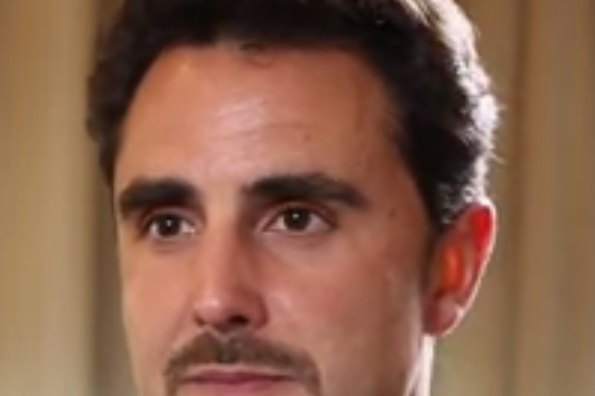
The files, dubbed SwissLeaks, alleged that the bank’s Swiss division had helped clients from over 200 countries evade taxes, with $119 billion sitting in the accounts. They covered more than 100,000 clients worldwide, including 7,000 Britons. Hervé Falciani, an IT worker who had been at the Geneva branch, took the data in 2007 and handed it to French authorities. It sat out of public view until the journalists’ consortium, the ICIJ, got it by way of Le Monde in France and passed it to partner outlets.
Who was in the files
The names were the kind that sell papers. Politicians from Russia, India and several African countries, royalty from Saudi Arabia, Bahrain, Jordan and Morocco, and the late Australian media tycoon Kerry Packer all appeared. Inclusion on the list did not by itself imply wrongdoing, and having an offshore account does not mean someone is dodging tax. Tax avoidance is legal. Evasion is not.
The investigators’ charge against the bank itself was harsher. According to the ICIJ, HSBC “profited from doing business with arms dealers who channelled mortar bombs to child soldiers in Africa.” Reporting by International Adviser added a specific example: when the European Savings Directive arrived in 2005, Swiss banks were supposed to collect tax owed on undeclared accounts and pass it on. HSBC instead wrote to customers with ways around it.
What happened next
Reaction came fast. Margaret Hodge, who chaired Britain’s Public Accounts Committee, announced an “urgent inquiry” and said HSBC would be ordered to give evidence if necessary. HSBC shares fell 1.64 percent at the close in London on the Monday the story broke. A Belgian judge was reported to be considering arrest warrants abroad for directors of the Swiss unit. HSBC already faced prosecution in France and Belgium, and criminal investigations were open in the United States and Argentina as well, though not in Britain.
The data had been working quietly for years before the public saw it. French authorities used the files to hunt tax evaders and passed them to other states in 2010, which led to a series of prosecutions. In Britain, HM Revenue & Customs wrote to over 6,000 people on the list and raised more than £135m. Yet the BBC reported that only one person had been prosecuted there for an offence tied to the data. Hodge’s verdict on the tax authorities was blunt: “I just don’t think the tax authorities have been strong enough, assertive enough, brave enough, tough enough.”
Falciani, nicknamed the “Snowden of tax evasion,” stayed wanted in Switzerland on data theft charges, though France and Spain declined to extradite him. He told Le Parisien the published stories drew on a fraction of what he had handed over, which included several million bank-to-bank transactions. Switzerland had opened an investigation only against him.
HSBC’s own answer was that its Swiss arm had undergone a “radical transformation.” The bank said it had exited clients who failed new standards, including some with tax compliance concerns, and that client numbers at its Swiss private bank were down almost 70% since 2007.
Sources
- HSBC 'tax dodge' revelations are just tip of iceberg, says leaker | The Daily Star
- HSBC hit by further tax avoidance revelations | International Adviser




