
Cameron Crider could run a three-hour football practice, change shoes, and go straight into two hours of basketball without ever gasping for air. He felt fine. Then a heart screening he never asked for found two holes between the upper chambers of his heart.
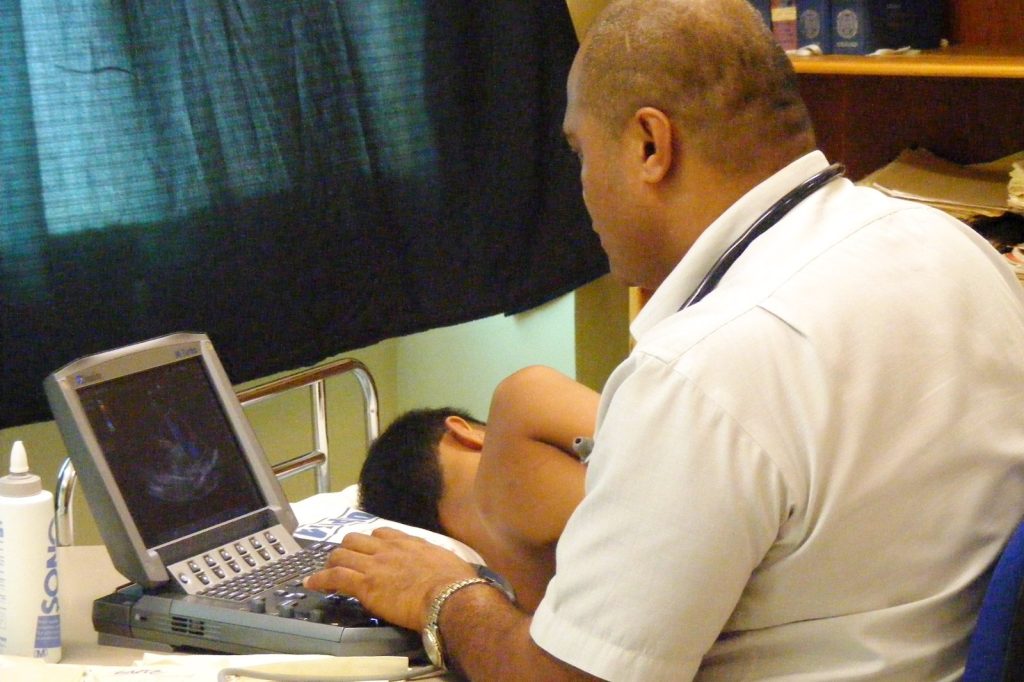
Cameron, 15, is a sophomore at Calvary Christian High School in Clearwater. The test came from Florida’s Second Chance Act, which took effect July 1 and requires students in grades 9 through 12 to have at least one electrocardiogram the first time they try out for or join school sports. His school already required ECGs for all athletes. An echocardiogram then confirmed an atrial septal defect, a congenital hole in the wall between the upper chambers.
“I’ve been playing sports my whole life and didn’t notice anything, so I was surprised because I haven’t felt anything,” Cameron told FOX 13.
His mother, Laura Crider, was just as stunned. “[Cam was] going to a three-hour football practice and then a two-hour basketball practice back-to-back and never having fatigue or shortness of breath, or, you know, anything that you would think would be a warning sign,” she said. Doctors told the family the danger with this kind of defect is slow heart damage over time. Left untreated, a significant ASD sends extra blood through the heart and lungs and can lead to pulmonary hypertension, heart failure and sometimes stroke.
Laura calls the screening “a gift from God.” The family got an explanation and a plan in a doctor’s office, she said, while “so many of these other parents who are advocating for these screenings, they had to find out through a tragedy.”
What the experts say
Dr. Jonathan Drezner, director of the University of Washington Medicine Center for Sports Cardiology, told Fox News Digital that up to 80% of young athletes who suffer sudden cardiac arrest had no warning symptoms beforehand. A standard sports physical, history and exam alone, “will miss 80-90% of kids with at-risk heart conditions,” he said. An ECG can suggest or detect about 80% of them. “It is not perfect, but it is far better than the standard sports physical.”
The American Heart Association sees it differently. It does not recommend mandatory ECGs for every student athlete and favors a comprehensive assessment, including personal and family history and a physical exam, with follow-up tests such as an ECG when something raises concern. The AHA and the American College of Cardiology back what they call a layered approach.
Drezner says chest pain, fainting and a racing heart should never be ignored. His advice to parents: “Make sure your child feels well when they exercise.” Families with a history of genetic heart conditions or sudden cardiac arrest should raise it with their child’s doctor.
Andres Barona, a cardiac sonographer at Sarasota Memorial Hospital, noted that student athletes usually look healthy, which is why screening matters. The law grew out of the death of Chance Gainer, a student athlete who collapsed with sudden cardiac arrest during a football game on Sept. 6, 2024. Evan Ernst, co-founder of the nonprofit Who We Play For, which advocated for the requirement, estimates that about 300 young people statewide will have a life-threatening heart condition identified this year.
Cameron’s surgery is scheduled for October, followed by six months of recovery. He is expected to be back on the field next season.
Sources
- Healthy athlete had no symptoms before mandatory heart screening revealed hidden defect
- Suncoast teen’s heart defect found through new mandatory screening law




