
Drivers of the Oncology CRO Surge: Science and Demographics
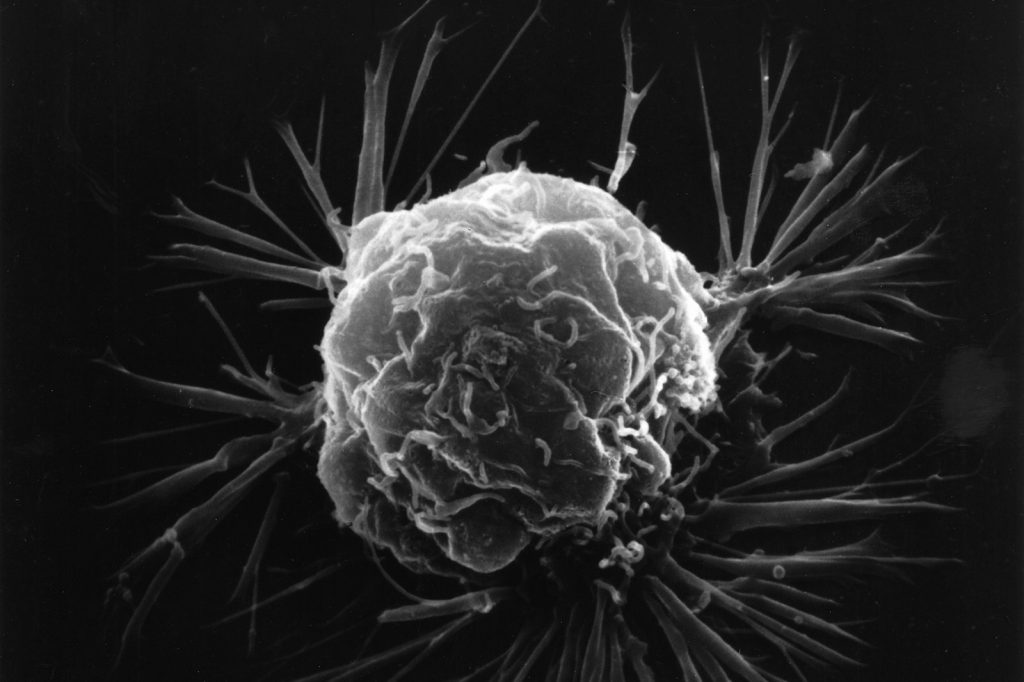
The report points to the increasing global burden of cancer as a fundamental push factor. More cases mean more demand for preclinical research to identify and test new therapeutic candidates. This demographic pressure coincides with a revolution in cancer science. Immuno-oncology, which harnesses the body’s immune system to fight tumors, has reshaped treatment paradigms and created new requirements for sophisticated animal models to evaluate immune responses. Similarly, targeted therapies that attack cancer cells with precision, and the promising frontiers of cell and gene therapies, all demand specialized translational research services that many drug developers do not maintain in-house.
As R&D investments in oncology rise — flowing from both public sources such as the National Institutes of Health and private pharmaceutical firms — the demand for outsourced preclinical expertise grows in tandem. Rather than building their own animal facilities and hiring specialized teams, companies are contracting with CROs that already possess the dedicated infrastructure and experience. This allows developers to speed drug development while controlling operational costs. The consequence, the report suggests, is a stronger and faster pipeline of potential cancer therapies, particularly relevant for regions like Asia where cancer rates are rising.
The Evolution of Drug Development: From In-House to Outsourced
For decades, most pharmaceutical and biotechnology companies conducted drug research within their own laboratories. That model began to shift as the complexity and cost of development escalated. A specialized industry emerged to take on pieces of that work. Contract research organizations, or CROs, are companies hired by drug and medical device sponsors to perform research-related tasks on a contract basis. The sponsor retains ultimate responsibility for the quality and integrity of the work. CROs vary widely in size and focus: some are large global firms offering a full suite of services, while others are small shops concentrating on a single therapeutic area or specialty. These firms also support universities, research institutions, and government agencies such as the National Institutes of Health.
The current moment is particularly consequential for oncology. New approaches such as immuno-oncology and targeted therapies require sophisticated preclinical studies using specialized animal models and translational expertise. Many companies find it faster and cheaper to contract with CROs that already have that infrastructure in place. For patients, this can mean a shorter path from laboratory discovery to clinical trials and, eventually, to approved treatments. The broader trend toward outsourcing in-vivo research reflects a permanent shift in how medicines are developed, one that continues to reshape the pharmaceutical landscape.
Considerations for Sponsors and the Path Ahead
Despite the clear advantages, the report includes a note of caution. Working with a CRO in one therapeutic area does not guarantee success in unrelated fields. The industry has seen sponsors expand engagements with a trusted partner into new therapeutic areas where that organization lacks experience. Caution remains necessary when selecting a partner for specialized oncology studies. Nevertheless, the market is poised for steady expansion over the next decade, driven by the twin engines of rising cancer rates and scientific innovation. As the pipeline grows stronger, the role of these specialized CROs will become increasingly central to bringing new therapies to patients. Consult your doctor for medical advice.




