
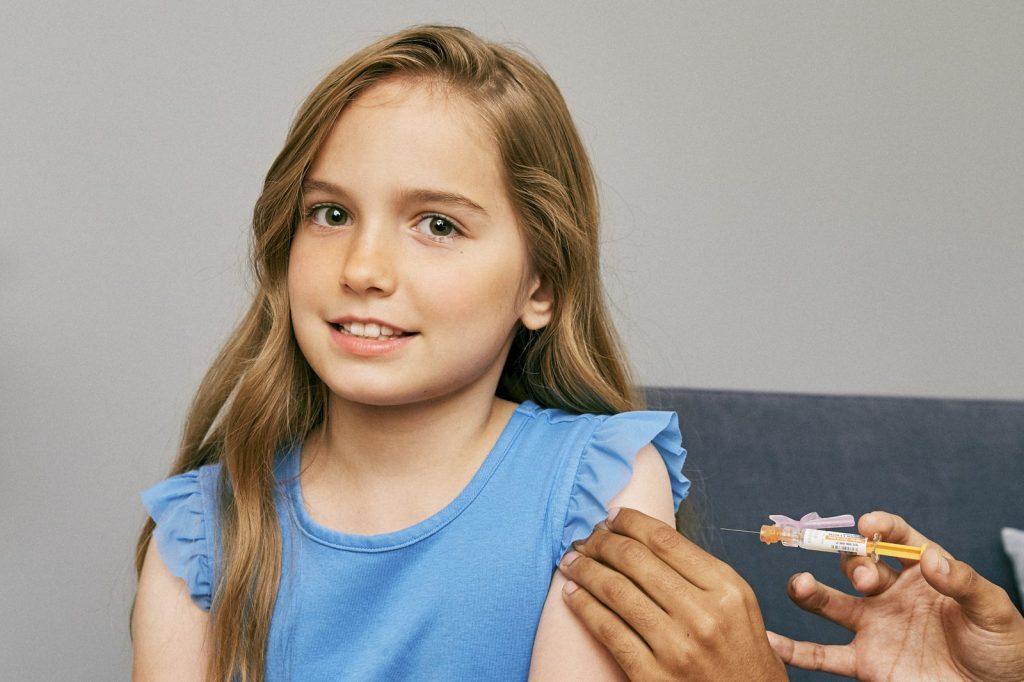
GENEVA, July 8 — The World Health Organization estimates that immunization prevents 2-3 million deaths every year from diseases including diphtheria, tetanus, pertussis, influenza, and measles. That figure, drawn from the agency’s own epidemiological models, has long served as the benchmark for global vaccine campaigns. But the record also shows that progress has been uneven, and in some key metrics, it has reversed.
The Expanded Programme on Immunization, launched by the WHO in 1974, initially targeted six diseases: diphtheria, tetanus, pertussis, polio, measles, and tuberculosis. That framework became the backbone of national vaccine schedules for decades.
By 2019, global coverage of the DTP3 vaccine—the third dose protecting against diphtheria, tetanus, and pertussis—had reached 86 percent. According to the WHO’s own tracking, that figure has since declined to 81 percent in 2021, a drop attributed directly to disruptions from the COVID-19 pandemic. Measles provides a clearer picture of both progress and vulnerability.
On the timeline, deaths from the disease fell from 761,000 in 2000 to 207,500 in 2019, a 73 percent reduction. That is a public health achievement measured in hundreds of thousands of lives saved.
But the decline in routine immunization coverage since 2019 has raised concerns among epidemiologists that gains against measles could erode if vaccination rates do not recover.
Global targets and missed marks
The Global Vaccine Action Plan, which ran from 2011 to 2020, set a target of 90 percent coverage for all vaccines. The WHO’s own assessment, published after the plan ended, concluded that many of those targets were missed. The record shows that despite significant investment and political will in some regions, the goal of universal coverage remained out of reach by the end of the decade.
Gavi, the Vaccine Alliance, was founded in 2000 with a specific mandate: to increase access to immunization in low-income countries. According to the organization’s published data, it has helped immunize over 1 billion children since its founding.
That figure represents a sustained effort across more than two decades, targeting the poorest and most vulnerable populations where vaccine-preventable diseases still claim the highest toll. Looking ahead, the WHO’s Immunization Agenda 2030 sets a new target: preventing 50 million deaths through vaccination by the end of the decade. That goal builds on the existing infrastructure of the Expanded Programme on Immunization and Gavi’s delivery networks, but it also depends on reversing the coverage declines seen during the pandemic.
Domestic impact
In the United States, the Centers for Disease Control and Prevention estimates that routine childhood vaccination among children born between 1994 and 2013 prevents 21 million hospitalizations and 732,000 deaths. Those figures are based on the CDC’s own modeling of disease incidence and vaccine effectiveness over that 20-year birth cohort. The numbers underscore what public health officials have long argued: that immunization is not merely a global health issue but a domestic one with measurable consequences for hospital systems and mortality rates.
The record shows that the decline in global DTP3 coverage from 86 to 81 percent represents millions of children who missed a full course of protection. For diseases like measles, which is highly contagious and requires herd immunity levels above 90 percent to prevent outbreaks, even small gaps in coverage can lead to resurgent transmission.
Sources familiar with the WHO’s surveillance data note that measles cases have already begun to climb in regions where vaccination rates slipped during the pandemic. The Immunization Agenda 2030 does not simply restate old targets. It incorporates lessons from the COVID-19 pandemic, including the need to strengthen primary health care systems so that routine immunization can continue even during health emergencies.
The WHO has emphasized that the 50 million deaths prevention goal is achievable only if countries maintain political commitment and funding. Gavi’s model, which pools donor funding and negotiates vaccine prices with manufacturers, has been central to expanding coverage in low-income countries.
The billion-child milestone is a concrete measure of that effort. But the alliance’s own reports acknowledge that reaching the remaining unvaccinated children—often in conflict zones or remote rural areas—requires different strategies than those used in the past. Measles deaths fell dramatically between 2000 and 2019, but the 207,500 deaths that still occurred in 2019 represent a disease that is almost entirely preventable with two doses of vaccine.
The 73 percent reduction is real progress, but the remaining toll shows the gap between coverage targets and reality. The CDC’s estimate for the United States—21 million hospitalizations and 732,000 deaths prevented—is based on a 20-year cohort and reflects the cumulative effect of routine childhood immunization. Those numbers are often cited by public health officials when defending vaccine mandates and school-entry requirements, which have faced increased political scrutiny in recent years.
The WHO’s Expanded Programme on Immunization remains the operational framework for most national vaccine programs, now more than 50 years after its launch. The six original target diseases have been expanded in many countries to include hepatitis B, Haemophilus influenzae type b, pneumococcal disease, rotavirus, and human papillomavirus, though the source material focuses on the original six and the broader mortality prevention figures.




