
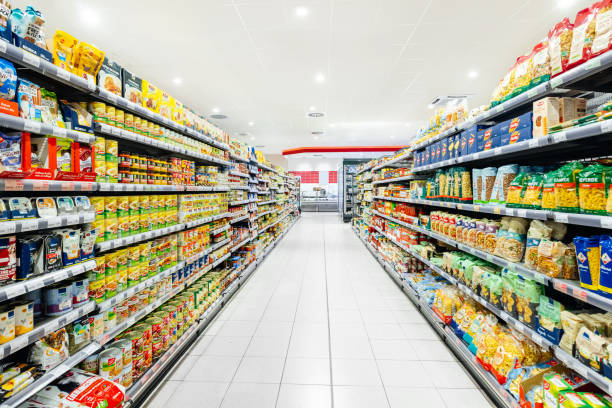
Moses Fukuyama, a father of six, no longer does his grocery shopping in one place. His family now hunts across supermarkets and corner shops for the lowest price on each item. On 25 June, the day before Fiji’s 2026-2027 National Budget was due, he told Fijivillage how far the household had been pushed.
Plenty of households already budgeted carefully by the week, fortnight and month, Fukuyama said. The recent rises forced them to start again. Some are cutting back on food altogether. Others have changed what they eat, because healthier options now cost too much. The struggle is often hidden, he added. People carry on quietly.
He does not only worry about today. Rising prices, drugs and HIV, in his words, are the threats waiting for his children. He still hopes, he said, through his Christian faith, but prayers must be matched by action from leaders and society.
What households want from the Budget
Fukuyama wants the Budget to bring relief that families can feel. He accepts that global factors are pushing up fuel prices, yet argued that Fiji must also look after its own people. Government should keep investing in health and security, he said, but make sure help reaches the communities that need it. He also appealed to shops and market sellers to hold prices down, since everyone faces the same pressure.
He was not alone. Sulueti Bale, a mother from Ra, told Fijivillage that more parents are saying no to their children because wages are not keeping pace with the cost of living. A parent now puts needs before wants, she said. In Lautoka, Narayan Reddy, president of the Ratepayers Association, asked for fuel relief for taxis and for rural service licence holders; bus operators, he observed, had already received assistance. He pointed to higher prices for bread, flour and noodles and suggested lower taxes. Residents also spoke of schoolchildren arriving without lunch, reduced hours at some firms and lost jobs.
Not everyone in Lautoka agreed on wages: some residents cautioned against another minimum wage rise now, fearing businesses would pass the cost to shoppers.
The figures behind the stories
A Fiji Times analysis gives the numbers. In a nationwide survey, 49.2 per cent of respondents ranked living costs first among the country’s problems. For 53.2 per cent, food prices were the main household worry, and 49.8 per cent said paying for food and basic goods had been difficult over the previous 12 months. The Dialogue Fiji survey found 69.8 per cent describing their household difficulties as severe or very severe.
The Consumer Council of Fiji recorded rises of 15 per cent to over 35 per cent on common groceries. Pump prices jumped early in 2026, with petrol going from $2.44 to $2.93 a litre and diesel from $2.14 to $2.89. The paper added that Fiji imports around 80 per cent of its consumer goods and all of its fuel, which leaves households exposed the moment world prices move. The national poverty rate stands at 24.1 per cent.
The Budget was due at 10am on 26 June. Fukuyama’s own advice was simple: support one another, plan spending where you can, and ask for help when you need it.
Sources
- Father of six, shops at multiple supermarkets to stretch family budget as cost of living rises (Fijivillage)
- Lautoka residents call on Government to ease cost-of-living pressure (Fijivillage)
- Priced out of paradise (The Fiji Times)




