
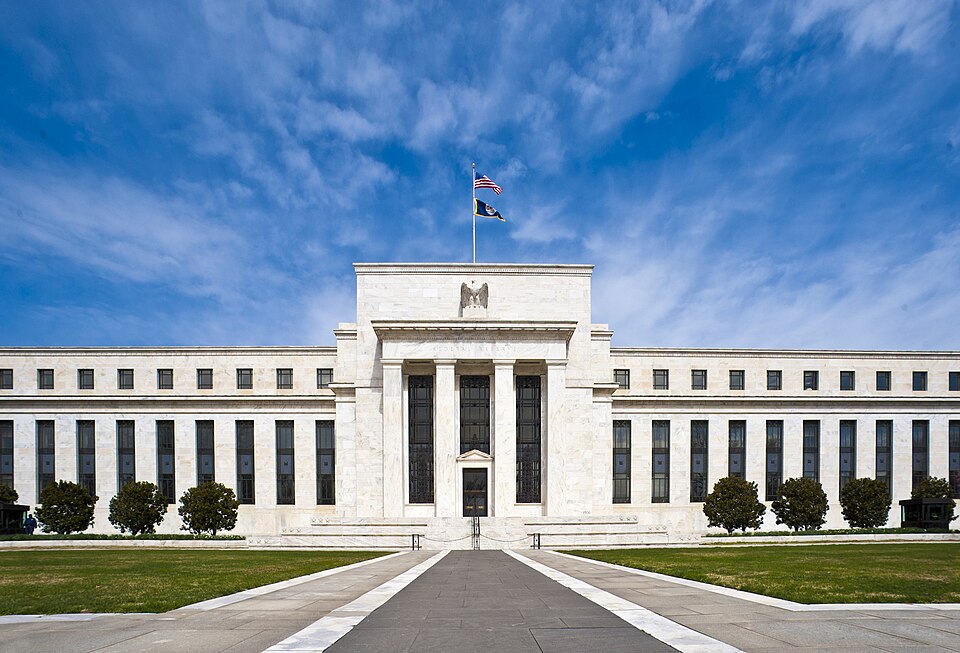
Quarter of a point. That is the size of the rate hike the Federal Reserve was widely expected to deliver on Wednesday, its first increase in more than three years. Federal funds futures put the odds at about 90 percent, according to the CME FedWatch Tool.
The decision reaches well beyond Wall Street. The federal funds rate feeds into savings yields, credit-card interest, personal loans and, to a lesser degree, mortgages.
Savers: slow gains, if you shop around
Deposit rates tend to rise gradually after a hike, and basic accounts can stay stingy. The national average on checking accounts is about 0.07 percent and has barely budged this year. Regular savings accounts average roughly 0.38 percent. High-yield savings accounts are a different story, with many paying in the 3 percent range and some close to 4 percent.
Money market accounts follow the same split. The national average is just 0.63 percent, but high-yield versions mostly pay in the mid-3s, a few just under 4. For anyone with $10,000 or more sitting idle, they keep the cash within reach while earning something. Banks have already begun lifting some CD rates, Yahoo Finance reported.
Borrowers feel it first
Credit-card rates have climbed from about 16 percent in 2021 to more than 22 percent. People who clear their balance each month mostly dodge the effect. Those who carry a balance will see variable rates adjust.
Michele Raneri, vice president and head of U.S. research at TransUnion, expects only “minimally higher” costs. Take the average second-quarter 2026 balance of $6,610 at 22 percent APR. If the hike is passed through, the minimum monthly payment rises by about $1.38, she said. That looks trivial, but it adds up for people making only minimum payments or holding big balances, and paying down revolving debt is the best defense, she added. The average personal-loan rate is about 11.86 percent, while advertised rates generally run 7 to 8 percent, depending on the borrower and the lender.
Mortgages and stocks
Mortgages do not move in lockstep with the Fed. They track the bond market and 10-year Treasury yields, and markets usually price in an expected Fed move beforehand. Rates hit three-year lows around the end of February and early March, then rose after the war in the Middle East began. They have recently neared or crossed 7 percent, depending on the tracker. The Mortgage Bankers Association and Fannie Mae expect them to stay above 6.5 percent through 2027.
For stocks, Kevin Gordon, head of macro research and strategy at Schwab, pointed to the old Wall Street warning, “Don’t fight the Fed.” Historically, the S&P 500 has suffered an average maximum loss of more than 10 percent within 12 months of the start of a hiking cycle, he said. Even so, he called the backdrop relatively favorable for a hike and said the economy could take more than one.
Goldman Sachs partner John Shugar is more upbeat. He expects the S&P 500 to top 8,000 within a year, though he warned of more “speed bumps” in the next few weeks.




