
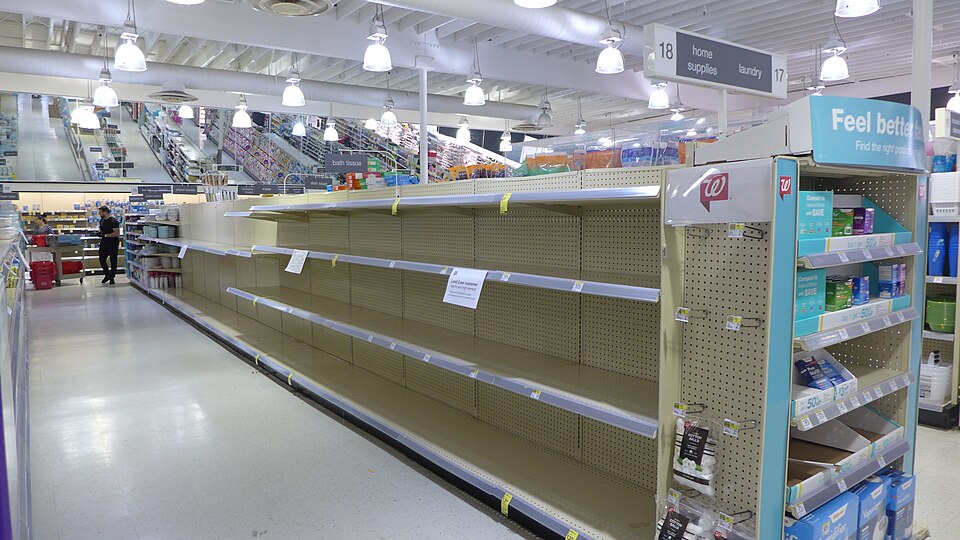
The U.S. Food and Drug Administration has reported its first coronavirus-related drug shortage. On Thursday the agency said a drugmaker could not get enough of the raw components, which are made in China, to keep making one drug. It did not name the drug, the condition it treats or the manufacturer.
“The shortage is due to an issue with manufacturing of an active pharmaceutical ingredient used in the drug,” the FDA said in a news release. Substitutes are available for U.S. consumers, it added.
Where the supply chain is thin
The virus has constrained China’s output of core ingredients for drugs and medical products sold in the U.S. and elsewhere. Travel restrictions have also forced the FDA to postpone inspections of Chinese factories.
Antibiotics look most exposed. Experts say 90% of the core components of amoxicillin, doxycycline, penicillin and other key drugs come from China. Steven Lynn, a former FDA compliance executive who now runs a consulting firm, said he worries about it. “The worst-case scenario is China starts shutting down all its ports,” he said. In that case, raw material could not leave the country.
Demand for the anesthetics epinephrine and propofol, and for the pain reliever fentanyl, is rising at Chinese hospitals treating coronavirus patients. Some experts warn China could start stockpiling medical ingredients for its own citizens.
Rosemary Gibson, author of “China Rx,” has long argued for rebuilding domestic drug production. She told CBS MoneyWatch that “large parts of China are locked down” and that even finished medicines face blocked transport routes. She fears Beijing could begin nationalizing medicines that would otherwise be exported. “It’s very scary,” she said.
By the numbers
The U.S. relies partly on China for raw ingredients in some 370 drugs sold here and deemed essential by the World Health Organization. Only 21% of the plants making those ingredients are in the U.S. Fifteen percent are in China, and 64% are in other countries.
Three of the 370 depend on ingredients made only in China: capreomycin and streptomycin, both used against tuberculosis, and sulfadiazine. Akorn, which makes a version of capreomycin, declined to comment.
Axios reported earlier this month that the FDA keeps a list of 150 prescription drugs facing shortage risks. The agency has contacted more than 180 manufacturers to remind them they must report expected supply disruptions. The disease had infected more than 83,000 people and killed more than 2,800 at the time of the report.
What drugmakers say
Roche said it sources one active ingredient from China, has it in stock and can buy it elsewhere. Merck said it does not expect supply-chain effects “unless disruption due to the COVID-19 outbreak is sustained over the next several months.” Bayer, Johnson & Johnson and Pfizer told Fierce Pharma they are prepared.
Experts still see a clock running. Some manufacturers in India, the U.S. and Europe that make finished drugs with Chinese chemicals could run out of active ingredients come March unless they restock. “They certainly have inventory, but it’s getting dicey,” Gibson said. Lynn put it more evenly: “It’s definitely not a time for fear-mongering, but we could start to see shortages.”




