
One in seven mothers reports suffering from postpartum depression. Katrina Furey, MD, a Yale School of Medicine psychiatrist, suspects the true figure is higher because of unreported cases, and that is why she welcomes the FDA’s approval of the first oral medication for the condition.
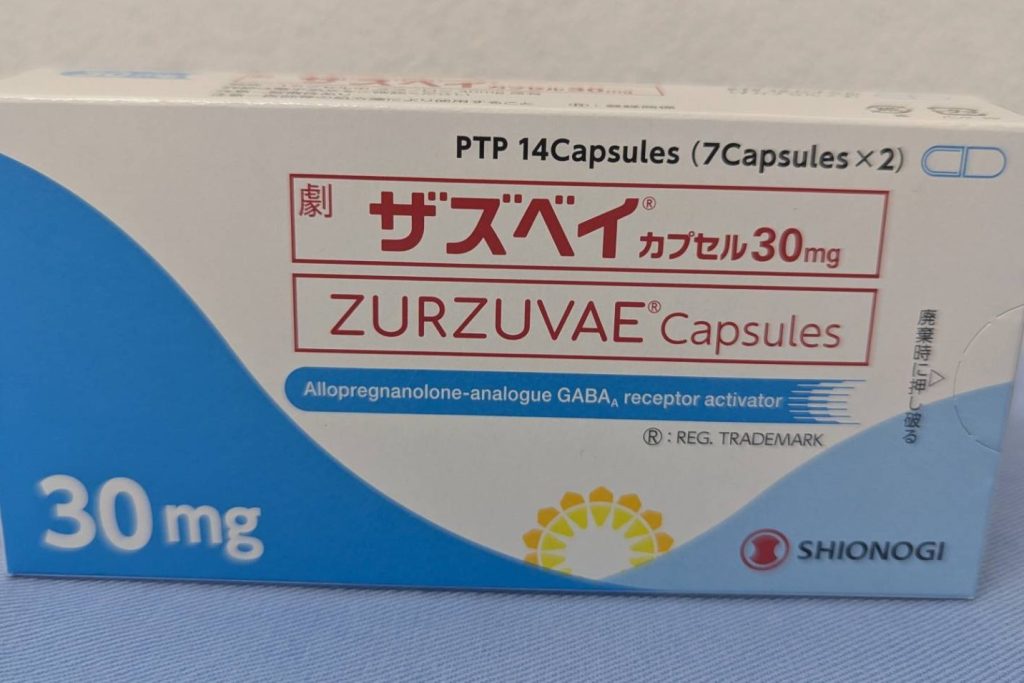
The drug is zuranolone, sold as Zurzuvae. Sage Therapeutics developed it in partnership with Biogen. Yale Medicine reported it is expected to reach pharmacies in late fall, with price and insurance coverage not yet announced.
“This is exciting because mental health issues are the most common complication of childbirth, beyond anything medical, including diabetes and hypertension,” Furey said. “Plus, the number one cause of maternal mortality is suicide, which is devastating. So, whatever we can do to get more treatments out there is important.”
How it works
Zuranolone is a synthetic version of allopregnanolone, a neurosteroid the body makes from progesterone. Allopregnanolone helps GABA-A receptors, which regulate mood and behavior, work better. Furey explained that a woman with postpartum depression does not have enough of it, so her receptors are not firing properly. That, she said, is what makes her irritable, anxious and depressed.
The speed is the draw. Standard antidepressants can take two to eight weeks to work, Furey said. Zuranolone takes about three days, and a course lasts only two weeks.
Before it, the only approved drug was brexanolone, also from Sage and sold as Zulresso. It needs a 60-hour intravenous infusion in a hospital and carries risks, including loss of consciousness.
The trial
A Phase III trial in new mothers with postpartum depression found clear improvement in depressive symptoms in as little as three days. The women took the pill once a day for 14 days and were followed for 45 days. How long the effect lasts beyond that window is not yet known.
Sleepiness and dizziness were the main side effects. Women are advised not to drive for at least 12 hours after each dose. No evidence of withdrawal appeared when the medication was stopped.
Breastfeeding and other limits
Zuranolone passes into breast milk, and it is not known whether it can harm a baby, so women in the study did not breastfeed while taking it. Furey called this “the biggest hiccup right now.” A woman could pump and dump milk during treatment, she said, or switch to formula if her symptoms are severe. “It’s unfortunate since nursing can be an important bonding experience that can help alleviate postpartum depression symptoms,” she added. “However, for many women, nursing can also add stress.”
Sage also sought approval for major depressive disorder but did not get it because of mixed trial results. To Furey, that suggests the biology of postpartum depression differs from major depression, even if the symptoms look alike.
Baby blues or something more
Furey separates postpartum depression from the “baby blues” that almost all women experience. Estrogen and progesterone peak in the third trimester and plummet after delivery. Overwhelming feelings that last a few days, or up to two weeks, usually resolve on their own. Sadness and irritability beyond two weeks is a reason to ask a medical provider about screening, she said, starting with a therapist or psychiatrist, or an obstetrician, primary care provider or the baby’s pediatrician.
Symptoms typically appear within four weeks of birth, though a diagnosis can come up to a year postpartum. A diagnosis requires at least five depressive symptoms lasting more than two weeks and present almost every day.
Furey did not oversell the pill. “One pill is not a panacea for a major problem that affects many women,” she said. “However, this is a big step in the right direction.” Postpartum Support International can be reached at (800) 944-4773, or by texting “Help” to the same number.




