
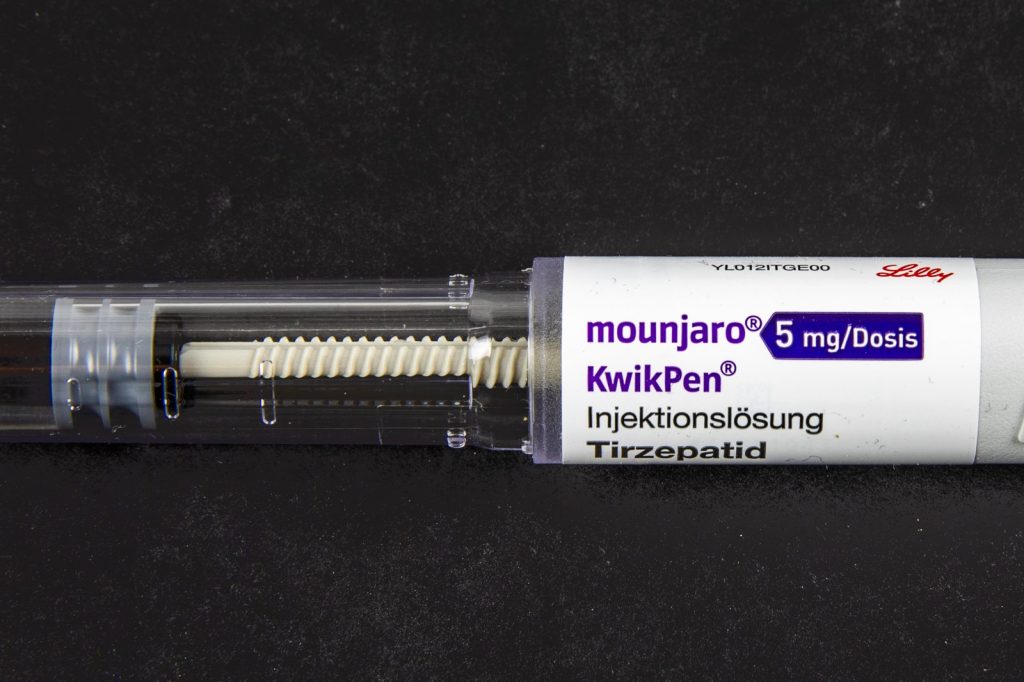
Around 90% of people with diabetes have the type 2 form, Diabetes UK estimates, and in Britain alone the condition leads to almost 9,600 leg, toe or foot amputations a year. Against that backdrop, a new option arrived in May 2022. The US Food and Drug Administration cleared Eli Lilly’s Mounjaro, known generically as tirzepatide, for adults with type 2 diabetes, the trade outlet pharmaphorum reported.
The approval covers use alongside diet and exercise. Mounjaro is a first-in-class medicine: it switches on two hormone receptors at once, GIP and GLP-1, both involved in blood sugar control. Patients inject it under the skin once a week, and the dose can be adjusted to suit each person’s needs.
What the trials showed
The decision rests on Lilly’s SURPASS phase 3 programme, a set of studies lasting 40 to 52 weeks. Five clinical trials tested Mounjaro at 5mg, 10mg and 15mg, some as a stand-alone treatment and some as an add-on to other diabetes medicines. Comparators included a placebo, the GLP-1 drug semaglutide and two long-acting insulins.
The numbers centre on HbA1c, the standard measure of blood sugar control. Patients on the top 15mg dose saw HbA1c fall by 1.6% more than those on placebo when Mounjaro was used alone, and 1.5% more when it was combined with a long-acting insulin. Against other drugs, the same dose lowered HbA1c by 0.5% more than semaglutide, 0.9% more than insulin degludec and 1.0% more than insulin glargine.
“Given the challenges many patients experience in achieving their target blood sugar goals,” said Patrick Archdeacon of the FDA’s Center for Drug Evaluation and Research, “[the] approval of Mounjaro is an important advance in the treatment of type 2 diabetes.” Archdeacon is associate director of the division that handles diabetes, lipid disorders and obesity.
Limits and side effects
Some patients will not be candidates. Mounjaro has not been studied in people with a history of pancreatitis, and it is not meant for those with type 1 diabetes.
The listed side effects are mostly digestive: nausea, vomiting, diarrhoea, constipation, upper abdominal discomfort and abdominal pain, along with decreased appetite.
The wider picture offers some reason for hope. Diabetes UK projects that 5.5 million people in the UK will be living with diabetes by 2030 if things carry on as they are, so every new treatment that helps people reach their glucose targets matters. Still, a trial result is not a prescription. Anyone considering a new diabetes medicine should talk to their doctor first.




