
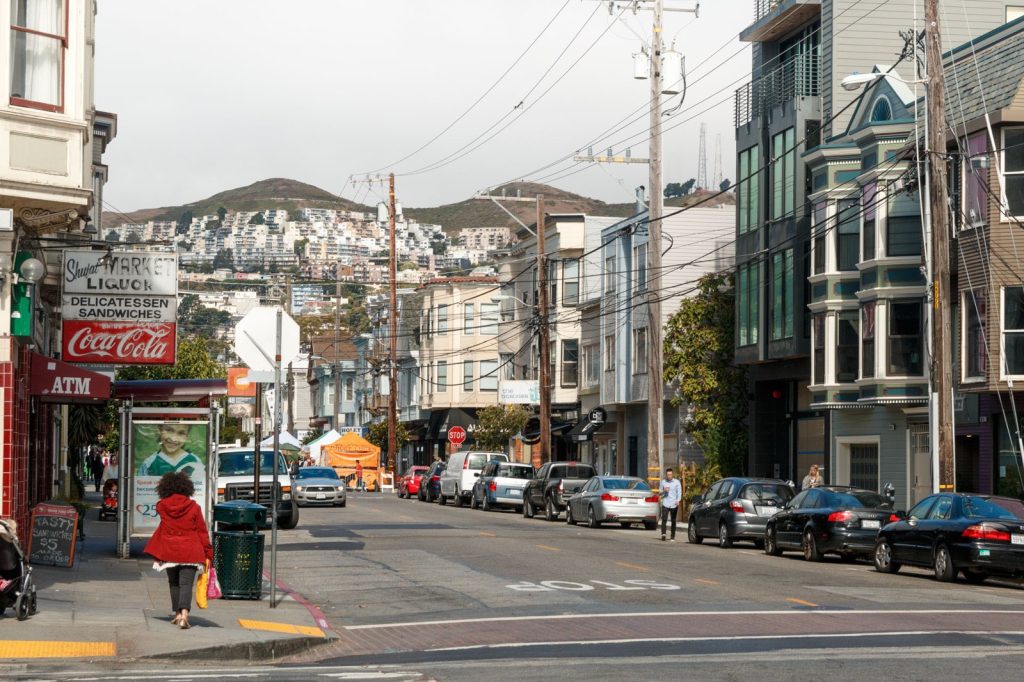
San Jose State University tech expert Ahmed Banafa has a warning for anyone tempted to swap pre-IPO shares for a house: the tax bill could be brutal. “There’s always the chance that stock values could fall once companies go public, potentially leaving sellers with an outsized tax bill,” Banafa said. He was describing a new Bay Area trend where homebuyers are using shares in private artificial intelligence companies to close real estate deals.
The practice has gone viral after a text message circulated on social media showing a tech founder’s offer for a Noe Valley home — hundreds of thousands above asking — was rejected. The seller chose another buyer who paid in pre-IPO stock of OpenAI.
Banafa sees a logic to the arrangement. Both sides believe they’re getting something good. Buyers offload shares they might not be able to sell otherwise.
Sellers get equity in companies they expect to soar. “They trust that this company is a good company and that this company is a company that can deliver based on everything they’ve heard about it,” Banafa said.
Kevin O’Connor, an associate broker with Sotheby’s, says he’s seeing the practice spread. “I think the motivation is to get the jump on things,” O’Connor said. In a market where cash offers are standard, stock-backed bids can stand out.
Sellers aren’t just getting a house sold. They’re getting a stake in the AI boom. But the risks are real.
Banafa pointed out that the tax implications can catch sellers off guard. If the shares are valued high at the time of the deal but drop after the company goes public, the seller could owe taxes on a value they never actually realized.
It’s a gamble on a company’s future performance. For the companies themselves, Banafa sees an upside. “That’s going to increase the value for the companies, because now the shares of the company are used as a currency.” When private stock becomes a medium of exchange, it gains a kind of credibility that public markets haven’t yet confirmed.
It’s a vote of confidence from people who are literally betting their homes on it. The trend is resonating far beyond San Francisco.
Families and investors across Asia who watch the AI sector closely are paying attention. The viral text message has sparked conversations about what money even means in a tech-driven economy. If a share of OpenAI can buy a house in Noe Valley, what else can it buy?
O’Connor didn’t predict how long the trend might last. He just noted it’s happening more and more. For now, the Bay Area housing market has a new kind of currency.
It’s not cash. It’s not even crypto.
It’s stock in companies that haven’t gone public yet. Sellers are betting those shares will be worth more than the house they’re giving up. Buyers are betting they can get a home they otherwise couldn’t afford.
Banafa’s caution stands. The deal works only as long as everyone’s faith in the company holds.
And faith, unlike a mortgage, has no fixed rate.




