
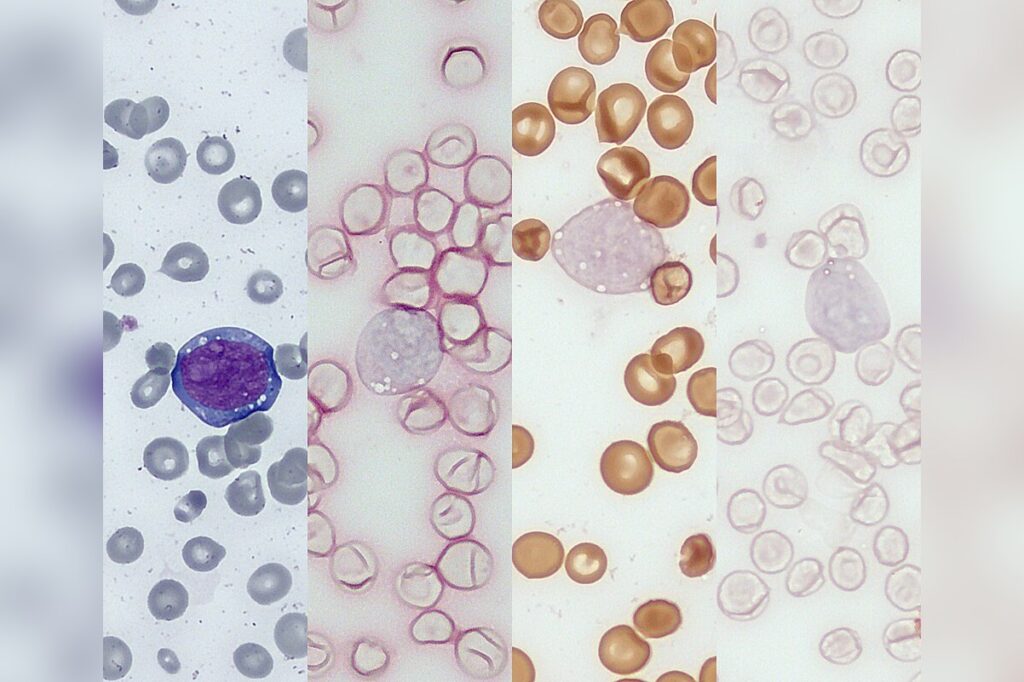
Emily Whitehead was six when her parents were told that her leukemia had come back and that she would not survive. Sixteen months of chemotherapy had not stopped it.
Her parents, Tom and Kari Whitehead, enrolled her in a clinical trial of CAR T cell therapy, a treatment that had never been tested in a child. The idea is to turn a patient’s own immune system on the cancer. Emily had acute lymphoblastic leukemia, the most common childhood cancer, and her T cells, the immune cells that kill damaged or cancerous cells, could not recognize it.
How the treatment worked
Scientists took her T cells out and gave them a special receptor, the CAR, in effect “sending them to bootcamp,” as the Cancer Research Institute puts it. Then they put the retrained cells back. Dr. Carl June led the team at the University of Pennsylvania that designed the protocol. Emily was Patient 1.
The infusion brought a high fever, which doctors expected: a cytokine storm, the sign that her newly powerful immune system was attacking the cancer. She spent two weeks on a ventilator while the team watched her closely. She woke up on her seventh birthday. Eight days later, she was declared cancer-free.
In June 2012, at age 7, she went home from the hospital. Nearly 1,000 people gathered in her town to welcome her back.
What followed
June had spent more than 20 years developing the therapy with colleagues, and he is now running trials of cell therapy in more types of cancer. The Whitehead family started a foundation in 2014 to support pediatric cancer research. When the FDA held its approval hearing for the CAR T therapy, Emily held her father’s hand as he spoke. Approval came in August 2017.
As of August 2021, more than nine years after her treatment, Emily remained cancer-free. Five FDA-approved CAR T therapies now exist for people with blood cancer.
Consult your doctor for medical advice.




