
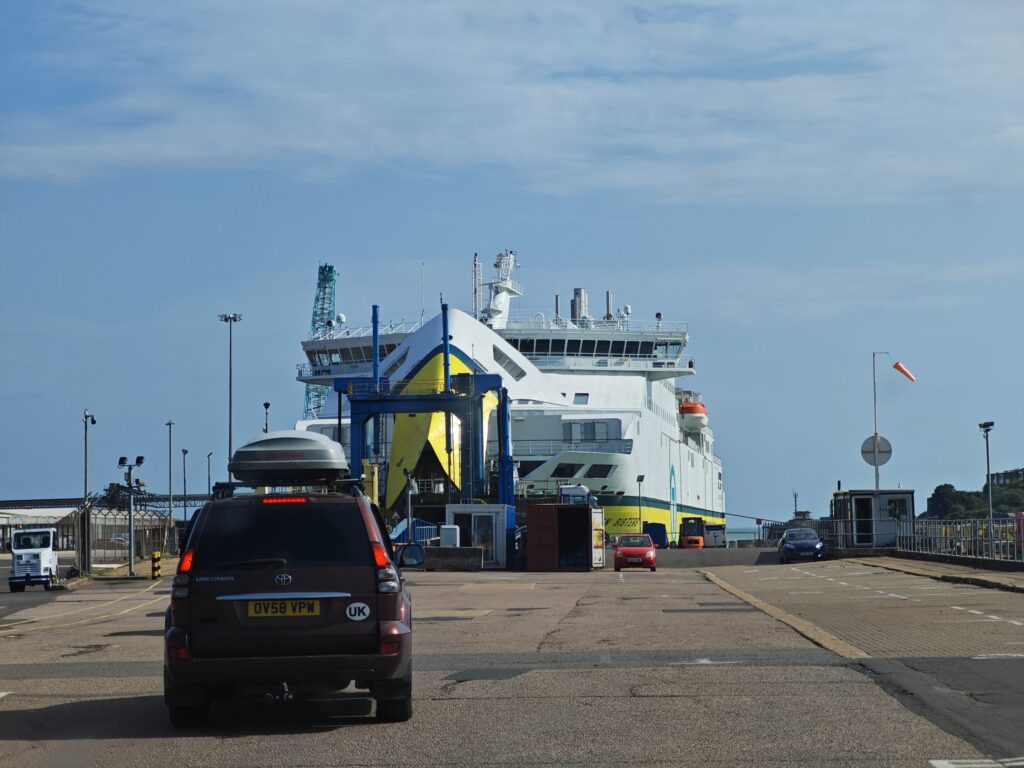
A tragic incident occurred on February 25, 2024, in Monshat el-Kanater, Egypt, when a ferry carrying workers sank, resulting in the loss of ten lives and injuring five more. The ferry, a common mode of transportation in many waterside cities and islands, was likely a vital connection for the workers on board. Ferries like this one provide a direct and often cost-effective way to travel across bodies of water, serving as a part of the public transport systems in many areas.
As the investigation into the sinking of the ferry begins, details about the incident are still emerging. What is clear, however, is the significance of ferries in the daily lives of people in coastal and island communities.
From small passenger ferries with multiple stops, like those found in Venice, Italy, to larger ship connections that carry vehicles over long distances, ferries are a vital link between points of departure and arrival. The capital cost of building and maintaining ferries is often much lower than that of bridges or tunnels, making them an attractive option for many cities and towns. The use of ferries as a mode of transportation is not limited to short distances.
Many ferry services operate over long distances, such as those crossing the Baltic Sea, and play a critical part in the transportation networks of many regions. These services often carry not only passengers but also vehicles, cargo, and other goods, highlighting the importance of ferries in facilitating the movement of people and goods.
As the world continues to urbanize and populations grow, the role of ferries in providing efficient and reliable transportation will only continue to expand. In the aftermath of the tragedy in Monshat el-Kanater, attention will likely turn to the safety and maintenance of ferries operating in the area. Ensuring the safety of passengers and crew is of paramount importance, and regular inspections and maintenance of ferries are critical to preventing such incidents.
The use of renewable energy sources, such as solar or wind power, to operate ferries could also provide a cleaner and more cost-effective alternative to traditional fossil fuels, enhancing energy security and reducing costs. As the world looks to the future, investing in cleaner, more sustainable transportation options will be essential for protecting the environment and promoting energy independence.
As the people of Monshat el-Kanater and surrounding communities come to terms with the loss of life and injury resulting from the ferry sinking, they will also be looking to the future and the measures that can be taken to prevent such tragedies from occurring again. The development of more sustainable and environmentally friendly transportation options, including ferries powered by renewable energy sources, will be critical in reducing the environmental impact of transportation and promoting a cleaner planet.




