
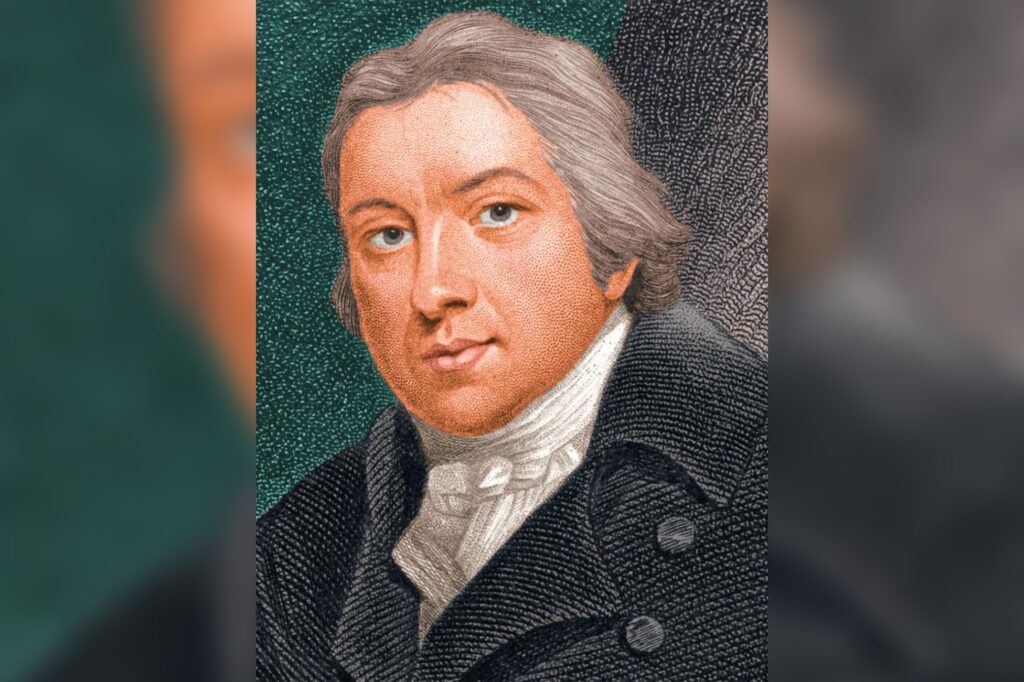
LONDON, July 14 — The first vaccination in history was performed in 1796 by English physician Edward Jenner, who inoculated a boy with cowpox to protect against smallpox. Jenner coined the term “vaccine” from the Latin “vacca,” meaning cow. That single act opened a field that would, over the next two centuries, yield Nobel Prizes, reshape the understanding of the human body, and produce treatments capable of reprogramming a patient’s own immune system to attack cancer.
The timeline of immunology, as recorded in scientific literature, shows a steady accumulation of verified breakthroughs. In the 1860s through the 1880s, Louis Pasteur developed the germ theory of disease and created vaccines for rabies and anthrax.
In 1890, Emil von Behring and Shibasaburo Kitasato discovered antibodies — then called antitoxins — in blood serum. That work earned von Behring the first Nobel Prize in Physiology or Medicine in 1901.
The cellular and molecular architecture of immunity
In 1908, the Nobel Prize was shared by Elie Metchnikoff and Paul Ehrlich. Metchnikoff had identified phagocytosis, the process by which certain cells engulf and destroy pathogens. Ehrlich advanced the side-chain theory of immunity, a framework that predicted how cells produce specific receptors to neutralize toxins.
The structure of antibodies themselves was later elucidated by Gerald Edelman and Rodney Porter, who shared the Nobel Prize for that work in 1972. The record shows that in the 1980s, the discovery of T cell receptors and major histocompatibility complex — MHC — molecules deepened the understanding of cellular immunity.
These findings explained how the immune system distinguishes self from non-self at the molecular level, a mechanism central to transplant rejection and autoimmune disease.
Checkpoint inhibitors and the cancer revolution
In 2018, James Allison and Tasuku Honjo won the Nobel Prize for their discovery of cancer therapy by inhibition of negative immune regulation. Their work identified checkpoint inhibitors — specifically CTLA-4 and PD-1 — molecules that act as brakes on the immune system. By blocking those brakes, the researchers showed that T cells could be unleashed to attack tumors.
That discovery has since transformed oncology. The first monoclonal antibody was approved by regulators in 1986.
These lab-engineered antibodies, designed to bind to specific targets on cells, have become a cornerstone of treatment for a range of diseases, from rheumatoid arthritis to certain cancers.
CAR-T: reprogramming the immune system
A more recent milestone came in 2017, when the U.S. Food and Drug Administration approved the first CAR-T cell therapy for certain leukemias. CAR-T therapy involves harvesting a patient’s own T cells, genetically engineering them to recognize cancer cells, and then infusing them back into the patient. The approach represents a fundamental shift: instead of giving a drug that modulates the immune system, physicians are giving the patient a living drug made from their own cells.
These milestones, according to the historical record, have led to the modern era of immunotherapies. The field that began with Jenner’s observation about cowpox and smallpox now includes treatments that can induce long-term remissions in patients with advanced cancers that were once considered untreatable. Consult your doctor for medical advice.




