
Guatemala’s health minister called one number “a bit alarming.” The accumulated count of dengue cases, Óscar Cordón said this week, “is closely related to climate change.”
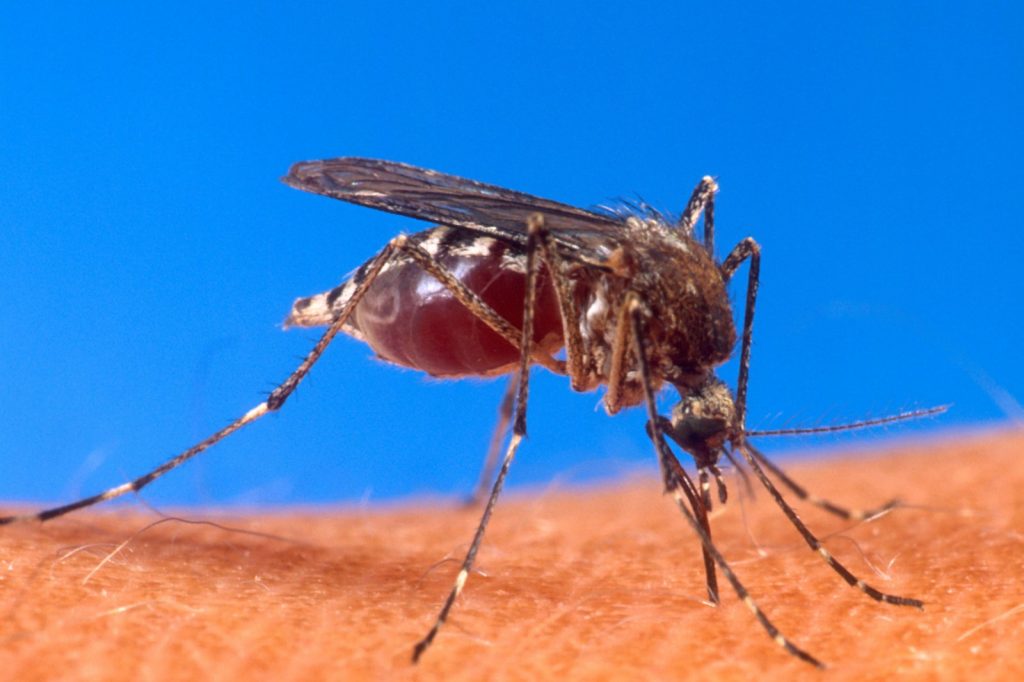
At least 20 people have died and more than 30,000 have been infected in a wave of dengue across Central America, the Tico Times reported. Guatemala and Panama have the highest death tolls this year.
Country by country
Guatemala is the hardest hit. According to the Ministry of Health, it has recorded nine deaths and about 10,200 cases, 38 of them severe. Last year the country lost 118 people to the disease, which the Aedes aegypti mosquito transmits, and 72,000 were infected.
Panama has seen seven deaths and more than 3,200 cases, 16 of them severe, in official figures. All of 2023 brought 18 deaths and more than 16,500 infections. “It is important to keep environments clean and thus avoid the increase of mosquito breeding sites,” the Panamanian Ministry of Health warned.
In Honduras, there have been four deaths and 8,000 registered cases. Ministry spokesperson Miguel Osorio described how fast it is moving: “There has been an increase from one week to another from an average of 100 cases [to an average] of 800 to 900 and more.”
Nicaragua, El Salvador and Costa Rica officially have no dengue deaths this year. Managua reports 1,545 cases, with another 17,300 under investigation. El Salvador has had more than 1,100 people affected, against 6,000 last year. Costa Rica reports 6,000 cases.
A regional warning
The Pan American Health Organization (PAHO) warned last week that Latin America and the Caribbean face their “worst dengue season,” with 3.5 million cases and more than 1,000 deaths expected this year.
PAHO director Jarbas Barbosa said the figure is “a cause for concern since it represents three times more cases than those reported for this same date in 2023, a record year with more than 4.5 million cases reported in the region.” He added: “This will probably be the worst dengue season that has been had in America.”




