
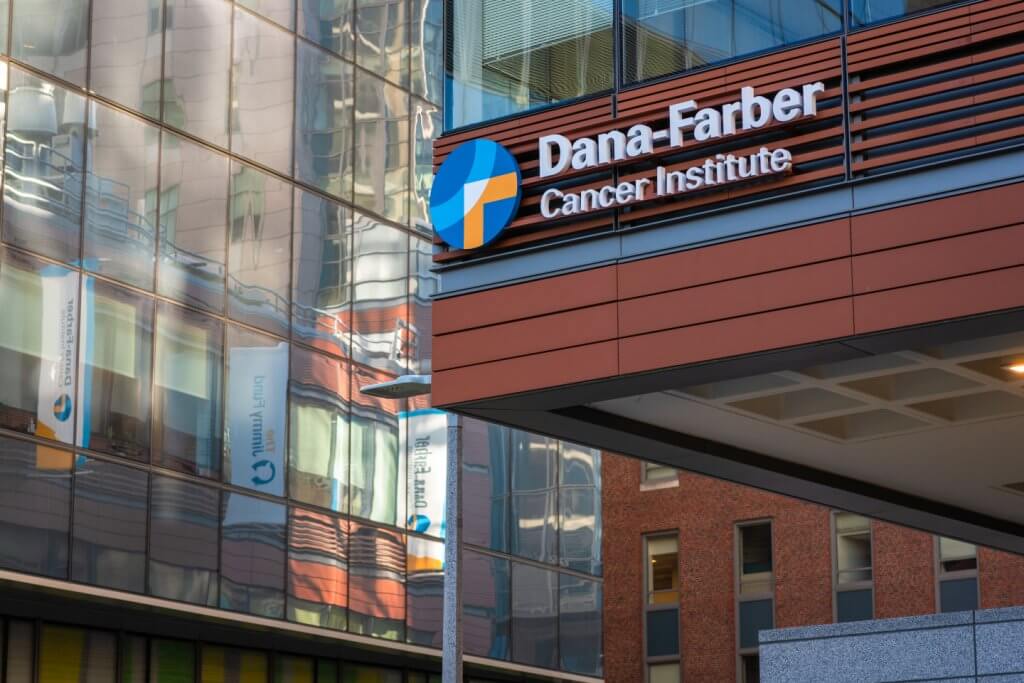
On a Monday in January 2024, Dana-Farber Cancer Institute confirmed how far a data review had gone. Six papers would be retracted. Another 31 would be corrected.
The numbers came out of a review of work tied to four of the institute’s most prominent scientists. They were Laurie Glimcher (the CEO), William Hahn (the COO), Irene Ghobrial and Kenneth Anderson. Dana-Farber gave the figures to STAT, which had reported only days earlier that one paper was headed for retraction. The Wall Street Journal was first with the larger totals, and also reported that the institute had concluded 3 papers needed no action. The institute did not say which studies were affected.
How it started
The trigger was a Jan. 2 blog post by Sholto David, a molecular biologist who writes about research integrity. He pointed to problems in dozens of papers, a post the Harvard Crimson then covered. Dana-Farber said some of the errors he identified had already surfaced in its own ongoing reviews.
Barrett Rollins, the institute’s research integrity officer, told STAT that every case assessed so far looked “credible,” meaning each allegation had enough scientific merit to justify a closer look. One more manuscript with a possible error was still being examined. Some of the corrections were being prepared, some were waiting on journal acceptance, and some had already been accepted.
The institute called correction of the scientific record a common practice at research centers with strong integrity processes, and said it had taken “prompt and decisive action” on many of the flagged cases.
Johns Hopkins computational biologist Steven Salzberg spoke about misconduct in general rather than these cases. Retracting is where recovery begins, he said. “It’s a black mark on your record, but if you’re a scientist with integrity then that’s what you do and you recover from it.”
A year of pressure
The fallout kept building. In April, the journal Science withdrew a 2006 paper on which Glimcher was a corresponding author. She had also taken criticism for a surprise decision the year before: Dana-Farber would break off its decades-old tie to Brigham and Women’s Hospital and build a cancer hospital with Beth Israel Deaconess instead.
On Sept. 4, 2024, the institute announced that Glimcher, its CEO since 2016 and the first woman in the job, would step down at the end of that month. According to The Boston Globe, she had raised it with the board’s chair, Josh Bekenstein, last spring. She would keep working in her immunology lab, and said she wanted time with family and with younger researchers she could mentor.
Benjamin Ebert, chair of medical oncology, took over on Oct. 1. His first big task was steering the costly new hospital project with Beth Israel.
Sources
- Dana-Farber expands studies to be retracted to 6, plus 31 to be corrected (Boston Globe)
- Dana-Farber CEO Laurie Glimcher To Step Down (Harvard Crimson)




