
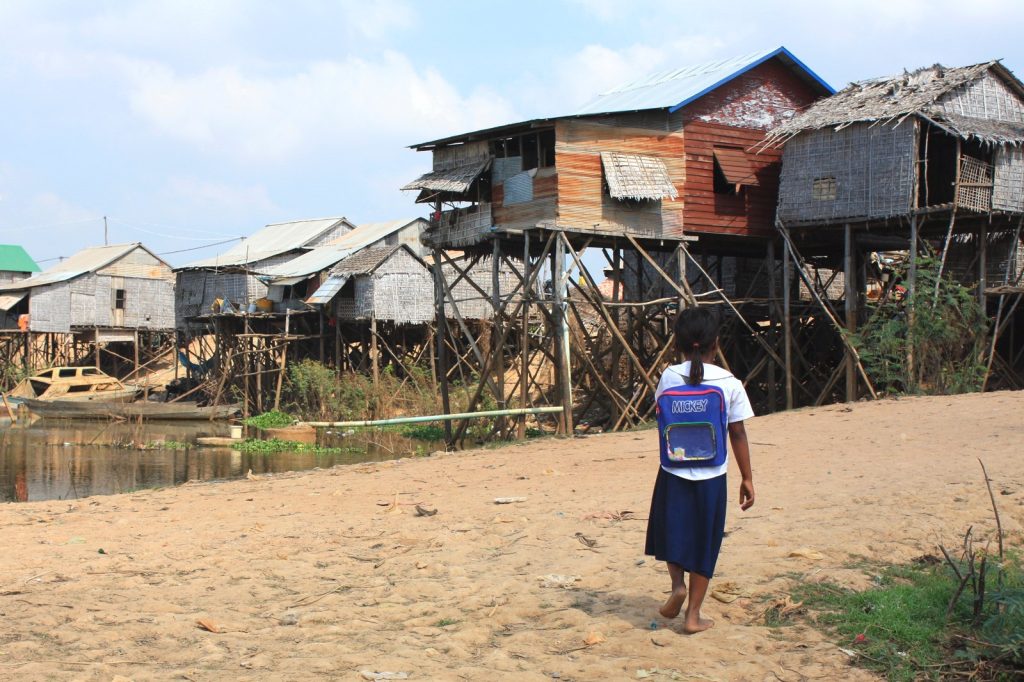
The record starts with a count: 3411 patients enrolled, 2230 whose files were complete enough to analyse. The patients lived in Takeo Province, Cambodia, and had all been diagnosed with diabetes between 2007 and 2013. Their care ran through a local nonprofit called MoPoTsyo, which built its programme around peer educators, people from the community who guide others with the disease.
Taniguchi D and colleagues published the evaluation in PLOS ONE on September 25, 2017. It is a retrospective look at records, with no comparison group, so it cannot prove cause and effect. What it documents is still worth reading closely.
How the programme worked
MoPoTsyo did not rely on peer educators alone. Patients also got access to laboratory tests, outpatient medical consultations nearby, and a revolving drug fund. The authors describe the aim as closing a gap that many poor countries share: finding people with diabetes early and treating them with limited resources. About half of those with the disease worldwide remain undiagnosed, they note.
The cohort was mostly women, 68.9%, with a median age of 54. Median time in the programme was 16 months.
What the numbers show
Mean fasting blood glucose fell by 63.9 mg/dl at one year. Of the 708 patients with a one-year reading, 321 (45%) reached the target of below 126.
Blood pressure told a similar story. At enrolment, 927 patients, or 41.6%, had elevated readings. Systolic pressure in that group dropped by 16.9 mmHg and diastolic by 10 mm Hg over the first year. Of the 355 patients with follow-up data, 183 (51.1%) got under 140/90.
The authors call the results promising and the approach a sensible, workable way to bring effective care to the countryside. In their view poorer communities elsewhere could copy it. Before anyone judges the long-term outcomes, they say, follow-up studies with fuller data are needed.
The wider problem
Hypertension sits alongside diabetes in these villages. A World Health Organization report released at the end of September 2025, covered by UCA News, counted 123,300 deaths on average in Cambodia and 1.5 million adults whose high blood pressure was uncontrolled. Globally, 1.4 billion people had hypertension in 2024, and under a fifth of them had it controlled.
WHO singled out Vietnam and Cambodia for training health workers to check blood pressure routinely, diagnose early and manage uncomplicated cases. Saia Ma’u Piukala, who runs WHO’s Western Pacific region, said that “the tools to prevent these deaths already exist.” He called for political commitment, investment, and putting hypertension control into primary health care.
Sources
- Evaluation of a multi-faceted diabetes care program including community-based peer educators in Takeo province, Cambodia, 2007-2013 | PLOS One
- WHO Report: Hypertension a Silent Killer in Cambodia – UCA News




