
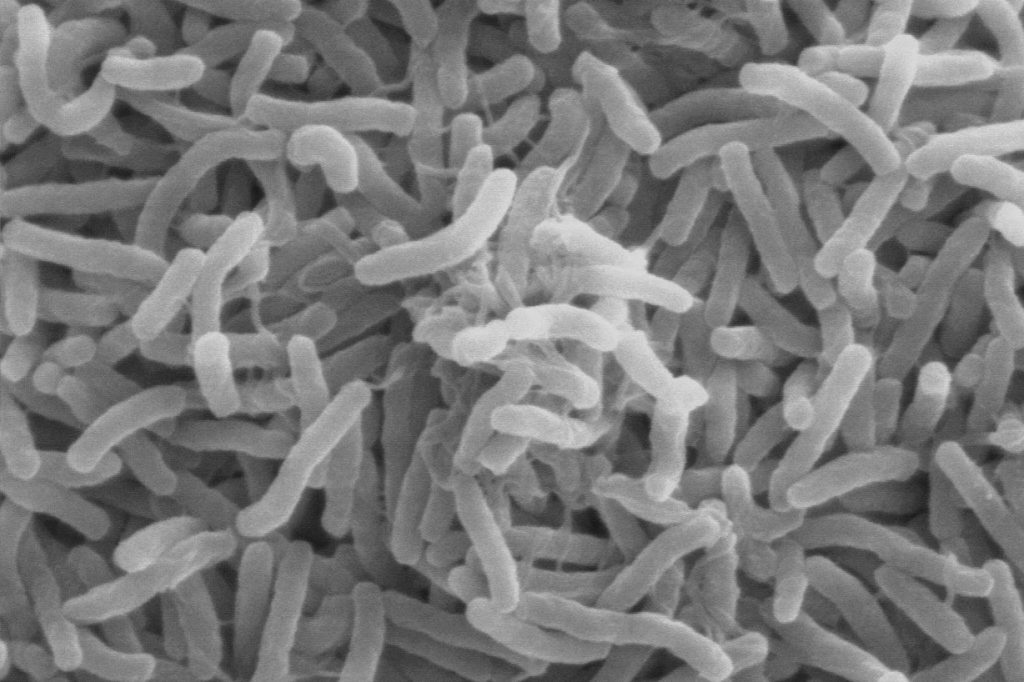
The first known patient was a 51-year-old Syrian man from an informal settlement in Minieh-Danniyeh, in northern Lebanon. He arrived at a hospital on 1 October 2022 with rice-water stool and dehydration. Five days later, Lebanon’s Ministry of Public Health told the World Health Organization that two laboratory-confirmed cholera cases had been found, and the country had its first cholera outbreak since 1993.
The second case was a 47-year-old health worker, probably infected inside a health facility. That detail worried investigators early, because it pointed to spread within the system meant to contain the disease.
How fast it moved
Active case-finding in the first man’s settlement turned up 10 more culture-confirmed cases almost at once. Testing also found the Vibrio cholerae bacterium in drinking water sources, in irrigation water and in sewage. Cases followed among Lebanese nationals in Halba, the Akkar capital, and in the town of Aarsal in the Baalbek district, among Syrians living in an informal settlement.
By 13 October, the WHO counted 18 confirmed cases and two probable deaths. Children under 5 made up 44.4 percent of them, and females 72 percent. Sewage tests in Beirut and Mount Lebanon then came back positive too, which suggested the bacteria had travelled well beyond the first northern cases.
The numbers climbed quickly. As of 7 November, ReliefWeb counted over 2,722 suspected cases and 18 deaths. A UN statement dated 10 November raised the count to over 3042 suspected and confirmed cases, still with 18 deaths. Children under 14 were more than 50% of the total. The WHO placed Lebanon at the latest stage of an epidemic that started in Afghanistan in June, then moved through Pakistan, Iran, Iraq and Syria.
A system already stretched
Cholera spreads through water and food contaminated with the bacterium, and the setting made things worse. The WHO warned that responding to the outbreak “may overwhelm the already fragile health system.” Lebanon had been in a deepening crisis since 2019. Water deliveries were disrupted, and there was not enough fuel to run wastewater treatment plants.
“We are seeing the situation in Lebanon go from bad to worse, with almost 80% of the population living in poverty,” said Janez Lenarčič, the European Union’s Commissioner for Crisis Management. The EU set aside €800,000 for community water, sanitation and hygiene work in the worst-hit areas.
On 10 November, UN Humanitarian Coordinator Imran Riza announced US$9.5 million from two UN emergency funds, aimed at more than 1,500,000 people at heightened risk. That covered US$4.5 million for NGO-led work on water safety and stabilization centers at primary health care sites, and US$5 million through WHO, UNICEF and UNHCR for safe water, chlorination of household water tankers, cholera treatment units, a wider vaccination campaign and hospital costs for the sickest patients.
Riza also put the responsibility on the government: uninterrupted power for water and wastewater facilities was the only sustainable way to fight the disease and keep it from returning.
Sources
- Cholera – Lebanon
- Lebanon: EU supports cholera preparedness and response – Lebanon | ReliefWeb
- UN Humanitarian Relief Funds Allocate US$9.5 Million to Contain the Spread of Cholera in Lebanon | United Nations in Lebanon




