
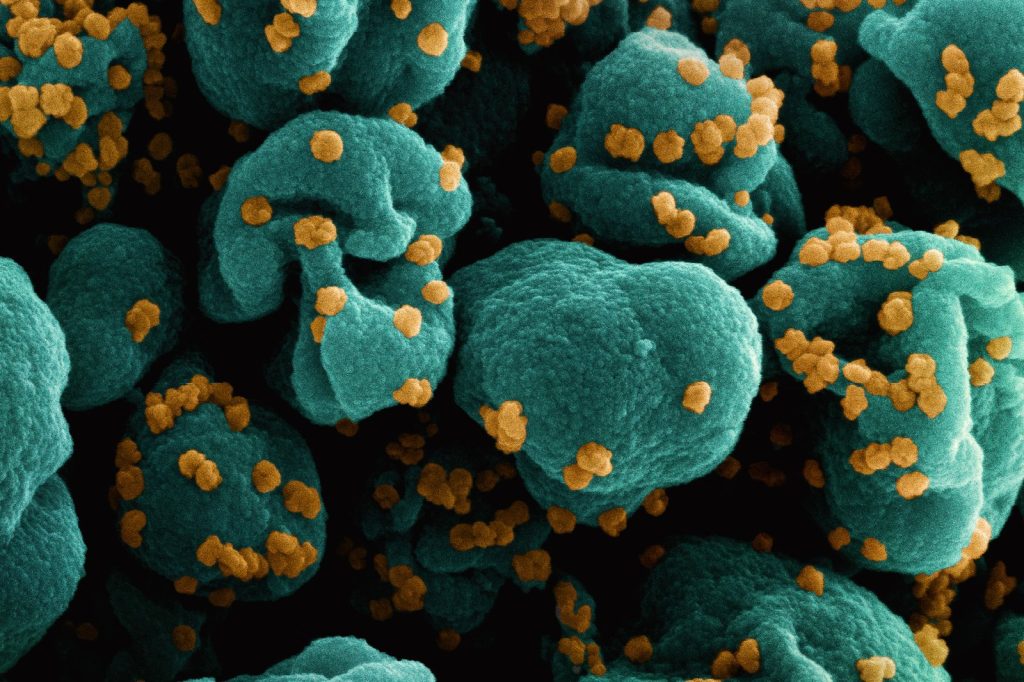
The story begins in a laboratory in Melbourne. A patient had arrived at the Peter Doherty Institute for Infection and Immunity on January 24, 2020, and within days a team there had done something no one outside China had announced: they had cultured the new coronavirus from a patient sample.
What made it striking was that scientists in China had not handed over their own sample. According to Julian Druce, who heads the institute’s Virus Identification Laboratory, Chinese researchers said they had grown the virus too, but had shared only its genetic sequence with the international community. The Australian Broadcasting Corp. reported the same thing. Druce and his colleagues had heard that labs elsewhere were struggling to culture the virus. They found it quite easy. His explanation was a lab that combined skill in diagnosing infections with skill in isolating and growing viruses. “We’ve got two parts of the puzzle together in one laboratory,” he said.
Why a real virus matters
A genome on a screen is not the same as live virus in a dish. “Having the real virus means we now have the ability to actually validate and verify all test methods, and compare their sensitivities and specificities,” Druce said in a statement. At the time of the announcement, the outbreak that began in Wuhan had killed 106 people and infected more than 2,800.
The institute planned to use the culture as positive control material for Australia’s network of public health laboratories and to ship it to expert laboratories working with the World Health Organization in Europe. Mike Catton, a deputy director, said some tasks were much easier with the virus in hand.
The biggest prize was an antibody test. Such a test could show who had been infected even without symptoms, and Catton said making one is hard without virus samples. That mattered. A child in Shenzhen had been infected without showing symptoms, and the WHO had reported three symptomless cases outside China.
Ian Mackay, a virologist at the University of Queensland, called the Melbourne announcement fantastic news and said grown virus is essential for studying how it behaves in culture or in animal hosts. He added that many labs now prefer synthetic parts of the virus built from partial genomes for validating molecular tests.
Sources
- Australian Lab First to Grow New Virus Outside China | Scientific American
- Australia scientists claim first re-creation of coronavirus outside China – Health – The Jakarta Post




