
In January 1922, a 14-year-old named Leonard Thompson was dying of type 1 diabetes. He was the first patient ever to be given insulin by injection. The drug had been worked out the year before at the University of Toronto, and a century-old story that framed a week of diabetes science this summer.
ADLM, the lab-medicine association, held its 2026 meeting in Anaheim, California, from July 26 to 30. Nearly 17,000 laboratory professionals had registered by the Thursday, according to the association, and the opening plenary went to a man who has spent five decades on diabetes.
Dogs, extracts and a deadline
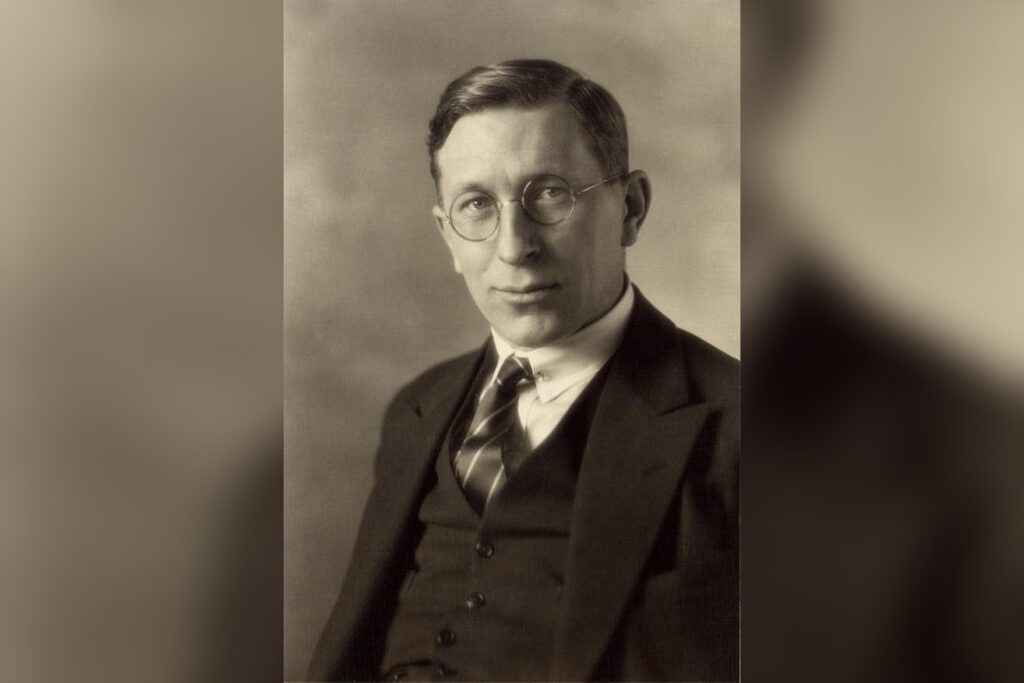
Frederick Banting, a Canadian surgeon, took his idea to Toronto professor John Macleod in November 1920. Macleod gave him lab space and brought in a student, Charles Best, whose job was testing blood sugar. In May 1921 the three began trying to pull insulin out of a dog’s pancreas by tying off the duct. Many experiments failed. Then, by November, they had kept a diabetic dog alive on their extract for 70 days. James Collip later purified it, and Banting and Macleod won the 1923 Nobel in physiology or medicine, and each split the money with Best and Collip.
What came after
David M. Nathan, who founded the diabetes center at Mass General, won the 2026 Coulter lectureship award and gave that plenary talk. He stressed the need for solid partnerships and federal funding.
His trials show how far treatment has moved past the syringe. The first, a landmark trial known as DCCT, ran from 1982 to 1993 and proved that intensive therapy aimed at lowering hemoglobin A1c helps people with type 1 diabetes. The follow-up study, which began in 1994, is still running. Intensive treatment cut the risk of complications by 39% to 76%, Nathan said, but it also brought a three-fold increase in severe hypoglycemia. A1c below 7% became the international standard.
Continuous glucose monitors changed that trade. Self-monitoring meters appeared in the late 70s and early 80s, and Nathan says the real value of today’s continuous devices is that they can feed insulin pumps and “close the loop,” letting patients reach target A1c with less hypoglycemia.
The Diabetes Prevention Program, which Nathan chaired for 30 years, ended in 2002. Lifestyle changes cut diabetes development by 58%, and metformin by 31%. Prediabetes currently affects over 100 million Americans. Almost 1,700 of the first volunteers are still followed, with an average age of 74 today.
Diabetes affects people differently, so anyone with questions about monitoring or treatment should consult a doctor.
Sources
- Expert Insights on Diabetes Care, Space Diagnostics, Alzheimer’s and Down Syndrome Linkages, and Advances in Cancer Screening Draw Nearly 17,000 Attendees to ADLM 2026 | Newswise
- Five decades on the frontlines of diabetes research | myadlm.org
- Who discovered insulin? | Diabetes research | Diabetes UK




