
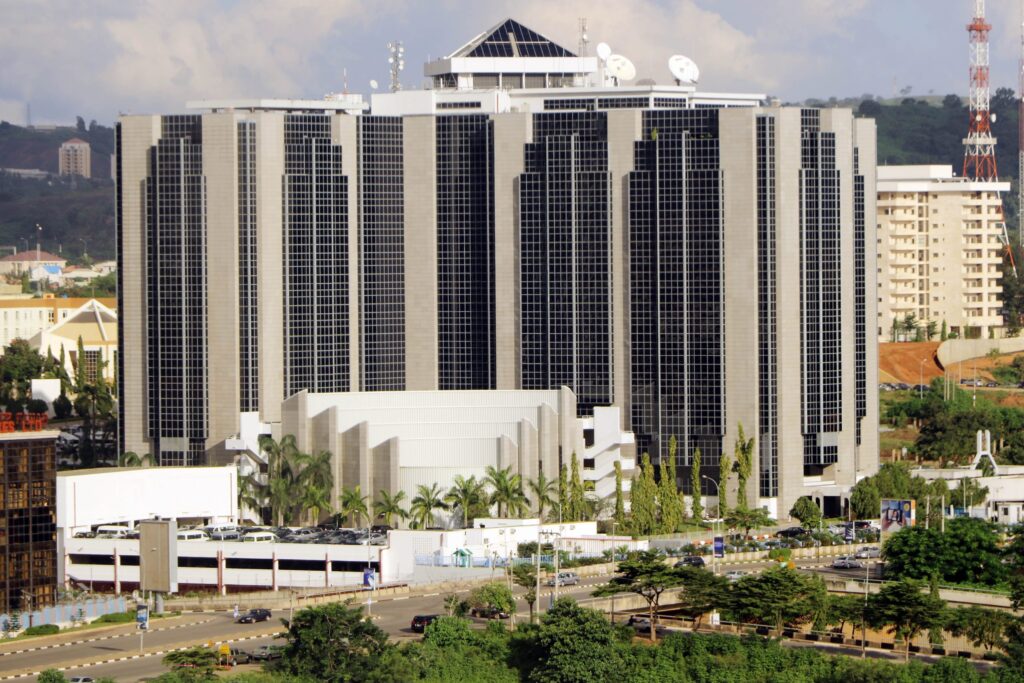
At the Central Bank of Nigeria’s 2026 fair in Lokoja, the keynote was read by someone other than the person who wrote it. Hakama Sidi-Ali, the acting director of corporate communications and investor relations, sent her speech; Zubairu Salihu, who runs the CBN’s Lokoja branch, delivered it. Her message was plain: Nigerians should use alternative payment channels more, and use them soon.
The fair, in Kogi State, carried the theme “Driving Alternative Payment Channels as Tools for Financial Inclusion, Growth and Accelerated Economic Development.” Leadership and Punch both reported that it was meant to explain the bank’s policies and its consumer protections to ordinary people.
Who the channels are for
Sidi-Ali named the people she had in mind. Farmers, traders, small firms and informal-sector operators, she said, often struggle to reach a conventional bank. She asked students, artisans, entrepreneurs and business owners to treat the fair as a classroom on payment options.
Governor Ahmed Ododo of Kogi sent Elijah Evinemi, an adviser on budget and finance, in his place. Evinemi read out a list of tools that could widen access, especially in rural communities: agent banking, mobile money, point-of-sale terminals, USSD codes, digital wallets, QR payments and online banking.
The governor’s message went a step past opening accounts. Inclusion, he said, means that traders, farmers, women, artisans and young entrepreneurs actually take part in the formal economy. He asked banks, fintech firms and payment providers to move beyond the big cities and design products that are simple, affordable and secure for low-income and underserved Nigerians.
He also raised trust. Stronger cybersecurity, consumer protection and a workable way to settle failed transactions and complaints were needed, Ododo said, because access without trust would not deliver real inclusion.
The case the bank made for itself
Sidi-Ali credited the reforms under Governor Olayemi Cardoso for what she called positive results. Headline inflation slid from 15.91 per cent for June to 15.43 per cent for July 2026. Foreign reserves, by her account, passed $52.5 billion in July, which she described as a 17-year high and a sign of a stronger external position.
She also listed the bank’s recent initiatives: changes to the foreign exchange market, bank recapitalisation, a BVN for non-residents, the B-Match forex trading system and a plan called Nigeria Payments System Vision 2028. The Nigerian Overnight Financing Rate, which the CBN introduced with the Financial Markets Dealers Association, was on the list too. It is meant to give short-term funding a transparent, market-driven benchmark.
Salihu closed with a number from home turf. Kogi recorded 94 per cent banking penetration in the 2023 EFInA Access to Financial Services Survey, the highest of any state, and he called that proof the state could go deeper into digital finance.
Sources
- CBN Pushes Alternative Payment Channels For Financial Inclusion, Growth (Leadership)
- CBN pushes wider adoption of digital payment channels (Punch)




