
A Diagnosis That Changed Everything
Caitlin Leggett was diagnosed with acute myeloid leukaemia in April 2025. The cancer, which starts in the bone marrow and produces large numbers of abnormal white blood cells called blasts, crowded out her healthy blood cells, leading to symptoms that required immediate treatment. Her need for a stem cell transplant led to a startling discovery: she and her twin sister Grace, who had believed they were fraternal their entire lives, were actually identical twins. After undergoing chemotherapy and a stem cell transplant in December 2025, Caitlin reached complete remission. But the reprieve was short-lived. In May 2026, doctors found the cancer had returned. The treatment options available to her within the United Kingdom’s health system, they said, were unlikely to be curative. She was given approximately six months to live under the plan she was on.
The Leggett family decided to pursue potentially curative treatment abroad, most likely in the United States, where costs could reach £500,000. They set up a GoFundMe fundraising page on June 2. Within eight days, by June 10, they had raised £100,000. Then, on June 13, Caitlin suffered a sudden, serious brain bleed, followed by a series of strokes. Her health declined rapidly.
Final Moments and a Family’s Vigil
Caitlin died at 2:42 a.m. on June 15, surrounded by her family: her twin Grace, brother Ethan, 27, sister Neve, 19, and parents Jennifer, 54, and Ian, 57. “It was really hard,” Grace said. “We all got the chance to speak to her. Neve put her favourite pillow spray on, we massaged her hands with lotion, and the nurses gave us a memory box with special paper and a charcoal wipe, so we could take her footprints and hand prints.” Grace played piano for her sister. Caitlin passed away peacefully. The money raised through the campaign, originally intended for treatment abroad, will now be used for funeral expenses and to support the family, according to local reports.
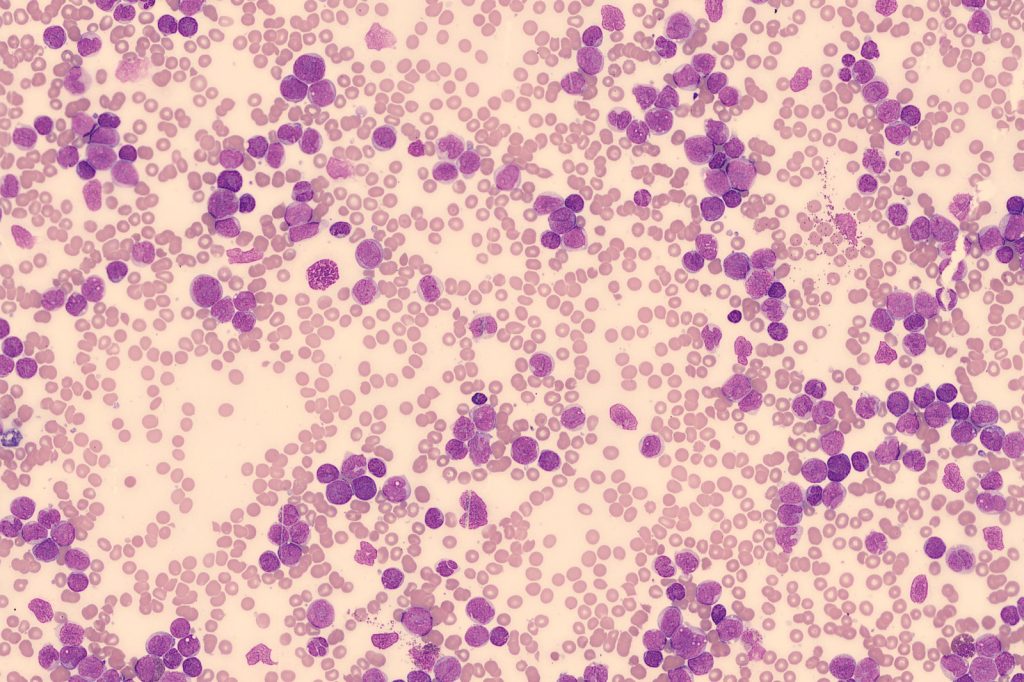
Leukaemia is a group of cancers that begin in the bone marrow, leading the body to produce large numbers of abnormal white blood cells. These immature cells crowd out healthy cells, causing fatigue, fever, easy bruising and bleeding, bone pain, and an increased risk of infections. Diagnosis is made through blood tests or a bone marrow biopsy. The exact cause remains unknown, but researchers believe a combination of inherited genetic factors and environmental exposures plays a role. Known risk factors include smoking, ionizing radiation, certain chemicals such as benzene, prior chemotherapy, genetic conditions like Down syndrome, and a family history of leukaemia. There are four main types: acute lymphoblastic leukaemia, acute myeloid leukaemia, chronic lymphocytic leukaemia, and chronic myeloid leukaemia, plus rarer forms. Treatment varies by type and patient age and includes chemotherapy, radiation, targeted drugs, and stem cell or bone marrow transplants. Some slow-growing leukaemias may be managed with watchful waiting. While survival outcomes have improved significantly in wealthier countries, leukaemia remains a leading cause of cancer death.
The Broader Picture: Relapse and Access to Care
Caitlin Leggett’s case highlights a stark reality: even when initial treatment succeeds, relapse can be swift and aggressive. Her cancer returned after a stem cell transplant, and the family’s desperate move to seek expensive care abroad points to gaps in treatment access for patients with advanced blood cancers. Leukaemia is the most common cancer diagnosed in children, but the vast majority of cases occur in adults. For many readers, the Leggett family’s ordeal underscores how leukaemia can upend lives within weeks — and how quickly hope can turn to tragedy. The search for better treatment options continues, with researchers working on therapies that could one day change outcomes for patients like Caitlin. For those facing similar battles, the message from her family is one of gratitude for the support that poured in. Consult your doctor for medical advice.




