
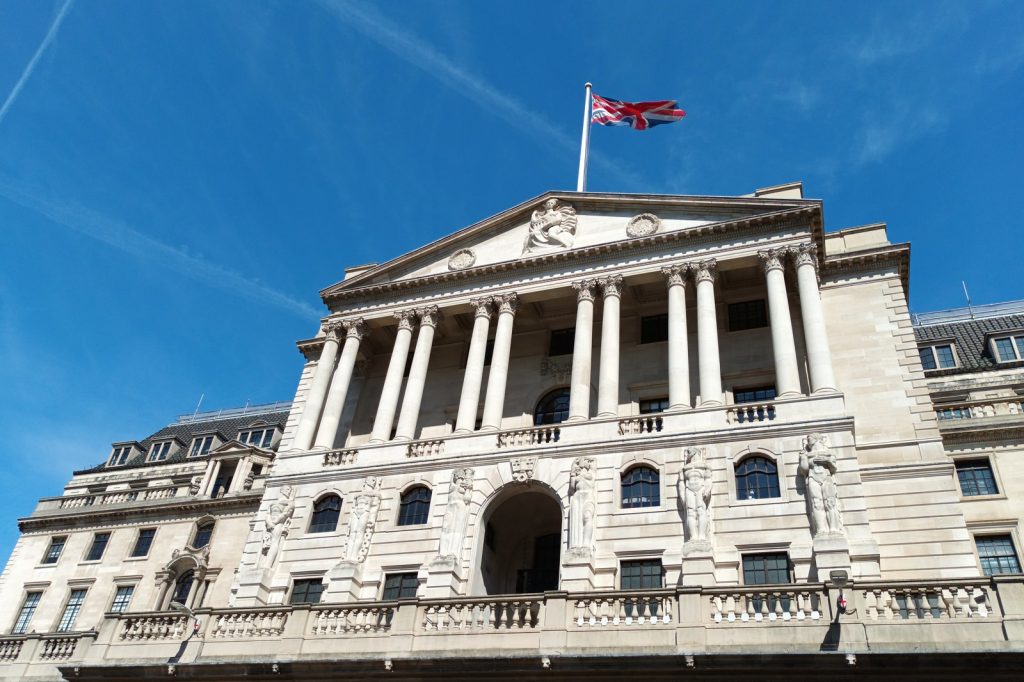
LONDON — The Bank of England is not waiting for a crisis to hit. It wants to know, in hard numbers, what climate change will do to the balance sheets of Britain’s biggest banks and insurers. In December 2019, the central bank launched a sweeping review.
The target: the financial sector itself. Regulators will now require large lenders and insurance firms to run stress tests that account for rising temperatures, extreme weather, and the collapse of asset values tied to carbon-heavy industries.
The tests go beyond the usual metrics of capital reserves and loan performance. The logic is blunt. Environmental degradation and economic activity are now seen as a single system.
Industrial processes damage nature. Catastrophic weather events destroy property and wipe out investments.
The two feed each other. The Bank of England decided that ignoring that loop was no longer an option. “This approach is essential for maintaining monetary and financial stability,” the Bank of England stated.
The institution sees climate risk not as an external variable — something to note in a footnote — but as a core component of financial planning. Failure to account for it, officials warned, could lead to systemic failures that ripple across the global economy. The new framework forces banks and insurers to examine their own books.
They must identify specific threats tied to shifting climate conditions. A coastal property portfolio.
A loan book heavy on fossil fuel infrastructure. An insurance pool exposed to flood plains. Each must be measured and reported.
The move marks a shift in how regulators think about risk. For decades, financial stability meant watching interest rates, inflation, and credit markets.
Now it means watching the weather. The Bank of England is telling the industry that environmental factors are no longer optional reading. They are part of the core syllabus.
The initiative is not a suggestion. It is a directive. All major institutions in the UK banking and insurance sectors will be subject to the stress tests.
The central bank stated that immediate action was necessary to ensure financial stability against a backdrop of rising temperatures and extreme weather patterns. The stakes are high.
If a major bank fails because it underestimated climate risk, the damage does not stop at that bank’s door. It spreads through the financial system. The Bank of England’s mandate is to prevent that.
By making institutions run these assessments now, the central bank is trying to spot the cracks before the building falls. This is not a theoretical exercise.
The Bank of England announced the program in December 2019, but the work behind it had been building for months. Officials had been watching how climate change was already affecting asset values and insurance markets. They concluded that the threat was real and present.
The timing matters. The UK financial sector is one of the largest in the world. If its regulators are moving this way, other central banks will be watching.
The Bank of England’s decision to treat climate risk as a financial stability issue — not just an environmental one — sets a precedent. Other nations may follow, or they may find themselves exposed.
For the banks and insurers themselves, the message is clear. The old ways of measuring risk are no longer enough. A balance sheet that looks healthy today may be hollow tomorrow if it does not account for a changing climate.
The Bank of England is forcing them to look at that possibility now.




