
A New Chapter for Cross-Border Trade Between Malaysia and Thailand
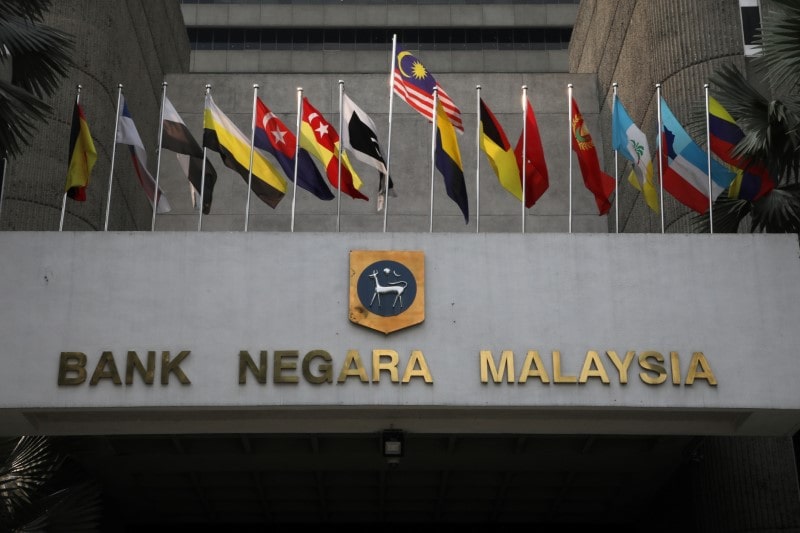
Kuala Lumpur: Bank Negara Malaysia and The Bank of Thailand officially launched a cross-border QR payment linkage on Friday, June 22, 2021. This strategic initiative enables shoppers and traders in both nations to create and receive instant payments via standardized QR codes. The move aims to streamline financial transactions across the border, reduce costs for merchants, and enhance the overall user experience for consumers engaging in regional trade.
By connecting their respective retail payment systems, the two central banks have taken a significant step toward deeper economic integration within the Association of Southeast Asian Nations. The rollout of this connectivity project was structured into three distinct stages, with the initial phase having commenced in June 2020.
The Friday announcement marked the completion of the first stage, which focused on connecting the Real-time Retail Payments Platform, known as DuitNow, in Malaysia with PromptPay in Thailand. Both systems are designed to facilitate fast payment services that credit funds into a beneficiary’s account within seconds. During this primary stage, customers in Thailand gained access to versatile mobile applications capable of scanning DuitNow QR codes to remit payments to merchants in Malaysia.
This functionality was specifically tailored to support online cross-border e-commerce exchanges. Conversely, the second phase, which was scheduled to go live in the final quarter of 2021, would allow Malaysian customers to use their local mobile payment applications to scan Thai QR codes and make direct payments to merchants operating in Thailand.
The Thai QR code use for this purpose is a standardized format that aligns with the DuitNow QR specifications used in Malaysia. The final stage of the linkage was planned to incorporate cross-line settlement capabilities. This advanced feature would enable customers in both nations to execute continuous asset transfers by simply referring to the cell phone number of the beneficiary.
This specific capability was projected to become operational in the final quarter of 2022, further simplifying the process for individuals and businesses conducting regular trade across the border.
Strategic Goals and Regional Impact
Bank Negara Malaysia highlighted this coordinated effort as a critical achievement within the broader Asean Payment Connectivity drive. The initiative seeks to advance monetary integration in the region by increasing efficiency, lowering transaction expenses, and improving the customer experience for cross-border payments. The retail payment linkage is expected to serve as a significant empowering influence to support post-pandemic economic recovery.
By fortifying financial ties between participating nations, the project aims to create a more resilient and interconnected regional economy. Datuk Abdul Rasheed Ghaffour, serving as Bank Negara deputy governor, emphasized the broader implications of this development.
He stated that the retail payment linkage will enhance the efficiency and convenience of cross-border payments by providing users with faster, cheaper, and more inclusive payment arrangements. This initiative will give more options for consumers and merchants in the cross-border payment space and serve as a key enabler to strengthen regional connectivity and financial integration. The goal is to ensure that small businesses and individual travelers can participate fully in the digital economy without facing the high fees and delays often associated with traditional international remittance channels.
Key Partners and Operational Rollout
The initial rollout of the service relied on the cooperation of specific financial institutions from both countries. The first two banks to participate in the linkage and begin offering the instant cross-border QR code payment administration to their clients were SIMB Thai Bank and Public Bank Berhad. These institutions were tasked with integrating the necessary technology into their existing platforms to support the new transaction flows.
More payment specialist cooperatives are expected to take part in offering such assistance, hence expanding the organization of clients and vendors involved in the network. This undertaking was made possible through the cooperation from different partners from the two nations.
These included the Payments Network Malaysia, known as PayNet, and the National ITMX, or NITMX, which served as payment framework administrators. Additionally, banks within the CIMB Group acted as settlement banks. They were responsible for the settlement of cross-border exchanges performed through the QR payment linkage among Malaysia and Thailand.
This collaborative structure ensures that the infrastructure is robust enough to handle the volume of transactions expected from both retail consumers and business entities. The integration of these systems represents a shift away from legacy methods that often required physical presence or lengthy processing times.
By use mobile technology, the project reduces the friction involved in cross-border commerce. As more banks join the network, the utility of the system will grow, making it easier for Malaysian tourists to pay for goods and services in Thailand and vice versa. The success of this project depends on continued collaboration between regulators, technology providers, and financial institutions to maintain security while expanding access.