
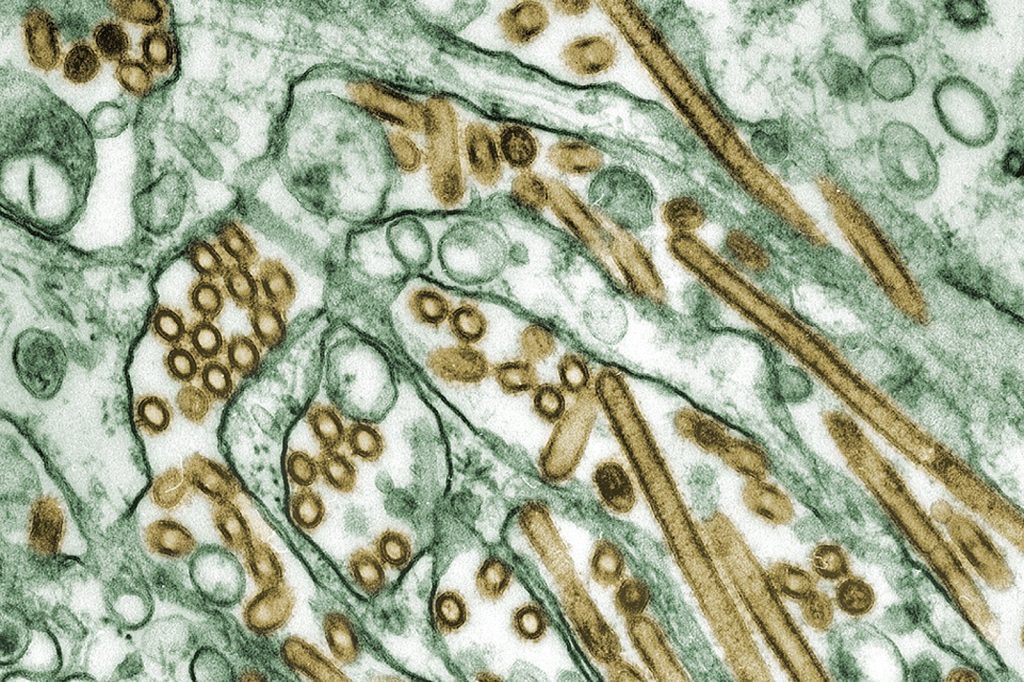
A brown skua found on a beach in Western Australia has tested positive for H5N1 bird flu, and with it Australia has lost its status as the last continent free of the virus. Agriculture Minister Julie Collins confirmed the case on Saturday.
The seabird turned up at Cape Le Grand National Park near the town of Esperance, a coastal community in the state’s south-east. Authorities had reported a suspected case the day before, and further testing confirmed the highly pathogenic strain. A second seabird found in the same area, a petrel, has also tested positive, according to ANEWZ.
“We all knew we couldn’t be bird flu-free forever,” Collins told a press conference.
Prime Minister Anthony Albanese called the development a concern. “This is concerning,” he told reporters in Sydney. “We will do whatever we can to restrict any spread.”
No sign yet in poultry
Officials stressed the virus has not been found in farms. “There’s no evidence of any mass mortalities and there’s no evidence that it’s in our poultry or agriculture system at this stage,” Collins said.
Authorities are monitoring bird populations around Esperance and running more tests to see whether it has spread. Threatened Species Commissioner Fiona Fraser said, as reported by the ABC, that they would know within a few days if the virus was present in other animal populations. Chief Veterinary Officer Beth Cookson said authorities had been “preparing for this event for a long time,” and that the committee for emergency animal disease met on Saturday.
Australia has spent months getting ready. Measures already in place include tighter farm biosecurity, surveillance of migratory birds, vaccination programmes for vulnerable species and emergency response exercises.
Earlier detections
The mainland case is not the country’s first brush with the strain. H5N1 was detected on the remote Australian territories of Heard and McDonald Islands in the southern Indian Ocean in October last year. The sub-Antarctic territory lies more than 4,000 kilometres from the mainland.
A study released this week estimated that around 13,000 baby seals from a group of 17,000 on Heard Island have died of H5N1 since last August, more than 75% of the group. Researchers also found higher than expected deaths among penguins. Scientists believe the virus reached the islands from migrating birds from the French-owned Crozet Islands, about 1,800 kilometres away.
Elsewhere, the strain has devastated wild bird populations and forced the culling of hundreds of millions of poultry, disrupting food supplies and lifting prices in many countries. The BBC noted that the strain emerged in China in the late 1990s and has now reached every continent. Human cases remain uncommon and usually involve contact with sick animals, though health authorities keep watching the virus because it can mutate.
Sources
- First mainland H5N1 bird flu case confirmed in Australia
- Australia confirms first case of bird flu as virus reaches every continent




