
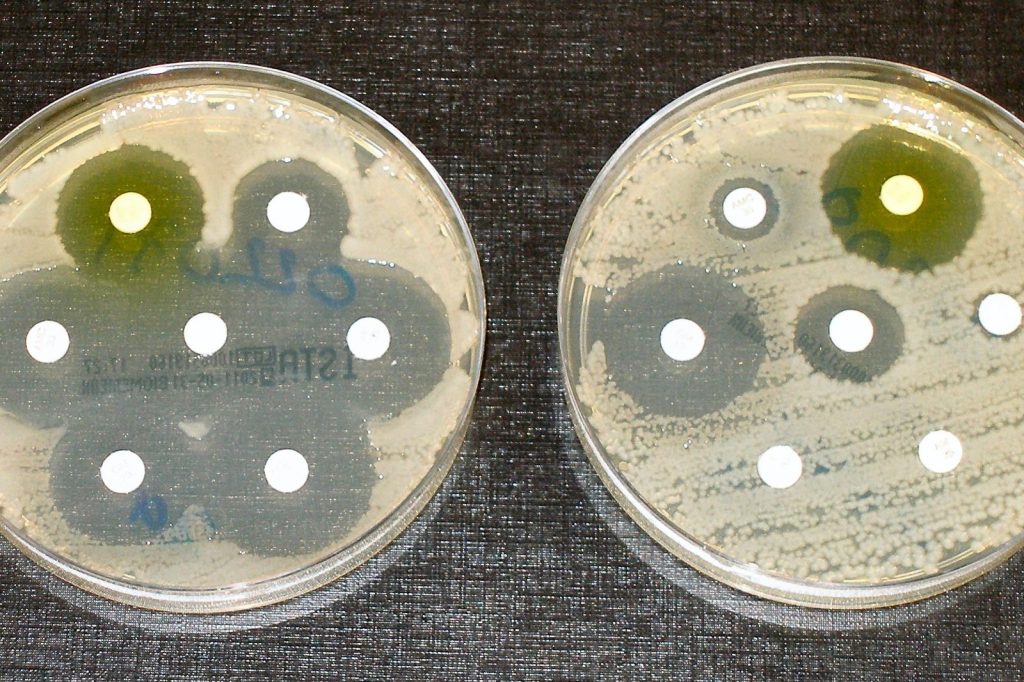
Drug-resistant infections killed an estimated 1.27 million people in 2019, and were linked to another 4.95 million deaths. That is the finding of a Lancet study that health leaders say shows antimicrobial resistance (AMR) is now a leading cause of death worldwide, killing about 3,500 people a day.
The numbers beat two diseases that get far more attention. HIV/Aids caused an estimated 860,000 deaths in 2019 and malaria 640,000, according to the analysis.
How the count was built
The Global Research on Antimicrobial Resistance (Gram) report is the broadest estimate yet. It covers 23 pathogens and 88 pathogen-drug combinations across 204 countries and territories. Earlier work looked at single countries or regions, or at a few drug-and-germ pairings. To fill gaps in places with no data, the team used statistical modelling on more than 470 million individual records drawn from literature reviews, hospital systems and surveillance networks.
“These new data reveal the true scale of antimicrobial resistance worldwide, and are a clear signal that we must act now,” said co-author Prof Chris Murray of the Institute for Health Metrics and Evaluation at the University of Washington.
Who is hit hardest
Children carry a heavy share. One in five AMR deaths was in a child under five.
By region, direct deaths were highest in sub-Saharan Africa at 24 per 100,000 people, with south Asia close behind at 22. High-income countries saw 13 direct deaths per 100,000 and 56 associated deaths per 100,000. In western Europe, which includes the UK, more than 51,000 people died as a direct result.
Dame Sally Davies, the UK’s special envoy on AMR, called it “one of the greatest challenges facing humanity.” Behind the figures, she said, “are families and communities who are tragically bearing the brunt of the silent AMR pandemic.”
What the report asks for
The authors list immediate steps for policymakers: make better use of existing antibiotics, do more to monitor and control infections, and put more money into new antibiotics and treatments.
Tim Jinks, who heads the drug-resistant infections programme at Wellcome Trust, said Covid-19 had shown the value of global teamwork. “Like Covid-19, we know what needs to be done to address AMR,” he said, but it now takes “a sense of urgency and global solidarity.”




