
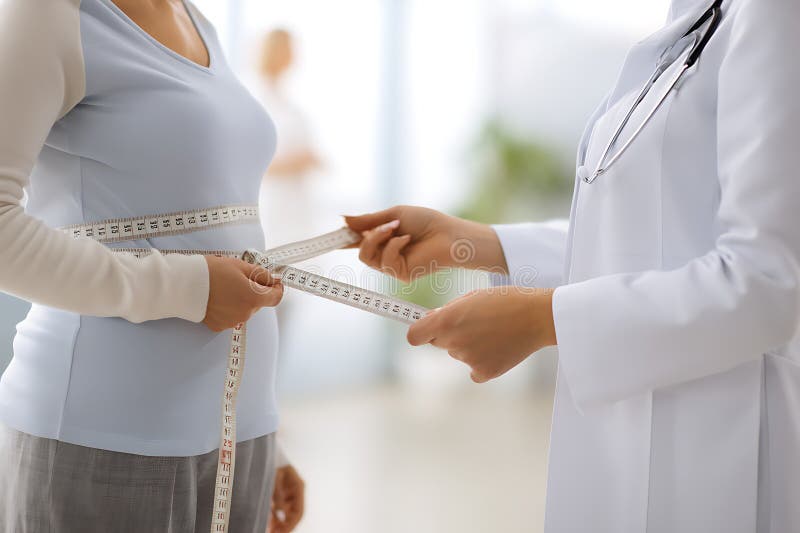
Picture an older man whose trousers have crept up a size and whose doctor has never once asked about vitamin D. A Brazilian-led team now says he may be carrying two risks that feed each other. Researchers followed 5,520 people aged 50 and older for six years. Those with a thick middle and low vitamin D together were 123% more likely to die than people with neither.
The work appeared in Diabetes, Obesity and Metabolism. It came out of UFSCar, a university in São Carlos, Brazil, in partnership with University College London, with money from the São Paulo research foundation FAPESP. Participants came from ELSA, England’s long-running ageing study, which is among the biggest studies of growing old anywhere.
What counted as a risk
The definitions were concrete. Deficiency meant blood levels under 30 nmol/L. Abdominal obesity meant a waist above 102 centimeters in men and above 88 in women.
Alone, each problem was costly. A big waist added 47% to the odds of dying. Low vitamin D raised it by as much as 91%, which makes it the heavier of the two on its own. Put them together and the danger more than doubled.
A vicious cycle
Tiago Silva Alexandre, a gerontology professor at São Carlos who coordinated the work, says the pair create a loop. Fat tissue traps circulating vitamin D inside fat cells, so the body can hold plenty of the vitamin and still have little free in the blood. People with obesity also make fewer of the enzymes that process it, which cuts the supply further.
Then the immune system pays. “Abdominal obesity reduces circulating vitamin D, and that deficiency impairs the immune system, exacerbating the chronic inflammation caused by excess fat and drastically increasing the risk of mortality,” Alexandre said.
Ageing adds its own layer. Older bodies tend toward a low-grade, constant inflammation that researchers call inflammaging. Vitamin D normally keeps that in check. Take it away, add belly fat, and Alexandre describes an unfavorable environment in which cardiovascular and metabolic disease speed up and muscle is lost.
What it means for patients
For families, the practical worry is independence. Earlier work from the same group traced a chain: low vitamin D saps strength, strength loss slows walking, and slower walking leaves a person more reliant on others for daily tasks. Another study by the team linked deficiency to a greater risk of cognitive decline.
Alexandre pointed to two simple steps. “Monitoring vitamin D levels and treating excess abdominal fat are essential measures to prevent premature death, especially after age 50,” he said. Cheap checks, a waist measurement and a blood draw, can flag who needs attention.
The study did not say supplements alone are the answer, and anyone worried about either condition should talk to their doctor before changing anything.
Sources
- Combination of abdominal obesity and vitamin D deficiency more than doubles the risk of death in people over 50 (FAPESP via EurekAlert)
- Two Common Health Problems May More Than Double Death Risk After 50 (Newsweek)




