
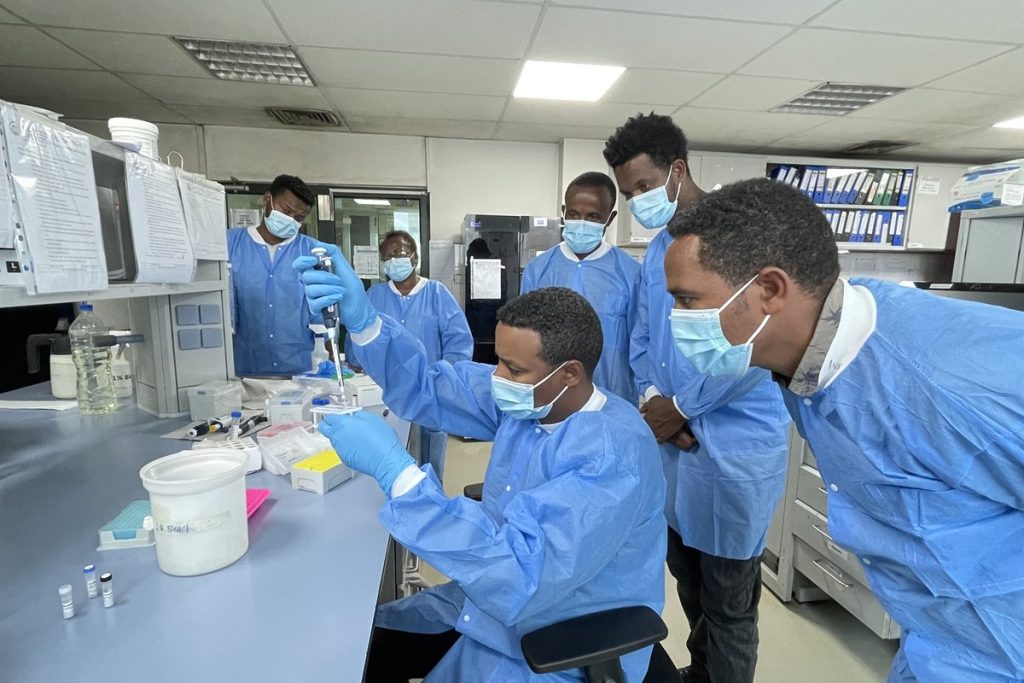
ADDIS ABABA — A new training and mentorship model is showing early promise in accelerating the diagnosis of childhood cancer in Northwest Ethiopia, according to a study. The research, conducted in a region where delays in detecting pediatric cancers often lead to poor outcomes, tested a multilevel onsite training approach. The encouraging part, say investigators, is that frontline health workers—who are often the first point of contact for families—can be effectively equipped to spot warning signs earlier.
Patients should understand that early diagnosis in childhood cancer dramatically changes the prognosis. In many low-resource settings, children arrive at specialised treatment centres with advanced disease that might have been caught months earlier.
This study directly addresses that gap. The model involved training health extension workers, nurses, and general practitioners at their own facilities, rather than requiring them to travel to distant workshops. Mentorship was embedded into the program, with senior clinicians providing ongoing support after the initial training sessions.
Early findings suggest that this approach improved both knowledge and clinical suspicion among participating health workers. The study used a mixed-methods design, combining quantitative assessments with qualitative interviews to understand what worked and what barriers remained.
One blunt finding: without systematic training, many childhood cancers are mistaken for more common infections or nutritional deficiencies. The training focused on red-flag symptoms—persistent fevers, unusual lumps, bone pain, and eye changes—that should trigger referral. The study was conducted in Northwest Ethiopia, a region with limited access to pediatric oncology services.
The nearest specialised treatment centre is often hours away, making the role of frontline health workers even more critical. Researchers noted that the mentorship component was particularly valued by participants. Health workers reported feeling more confident in their assessments and more motivated to follow up on suspected cases.
For families, the potential impact is significant. A child whose cancer is caught at an early stage may need less intensive treatment and have a much better chance of survival.
The study’s findings suggest that investing in local training infrastructure could yield meaningful returns. The encouraging part is that this model could be adapted for other regions facing similar challenges. The study provides a framework that other health systems might consider as they work to improve early cancer detection.
Patients and families in Ethiopia and beyond should talk to their doctors about the signs of childhood cancer. Awareness at the community level remains one of the most powerful tools we have. Consult your doctor for medical advice.




