
Homeowners insurance remains a financial bedrock for millions of American households, yet the precise meaning of “physical structure coverage” often eludes policyholders until a claim arises. Insurance expert Michael Oehrke, based in Lee’s Summit, Missouri, examines these fundamentals in a new article published by HelloNation.
The piece is designed for ordinary readers who lack specialized knowledge, laying out both common protections and the critical gaps that can leave homeowners exposed.
The Scope and Limits of Standard Policies
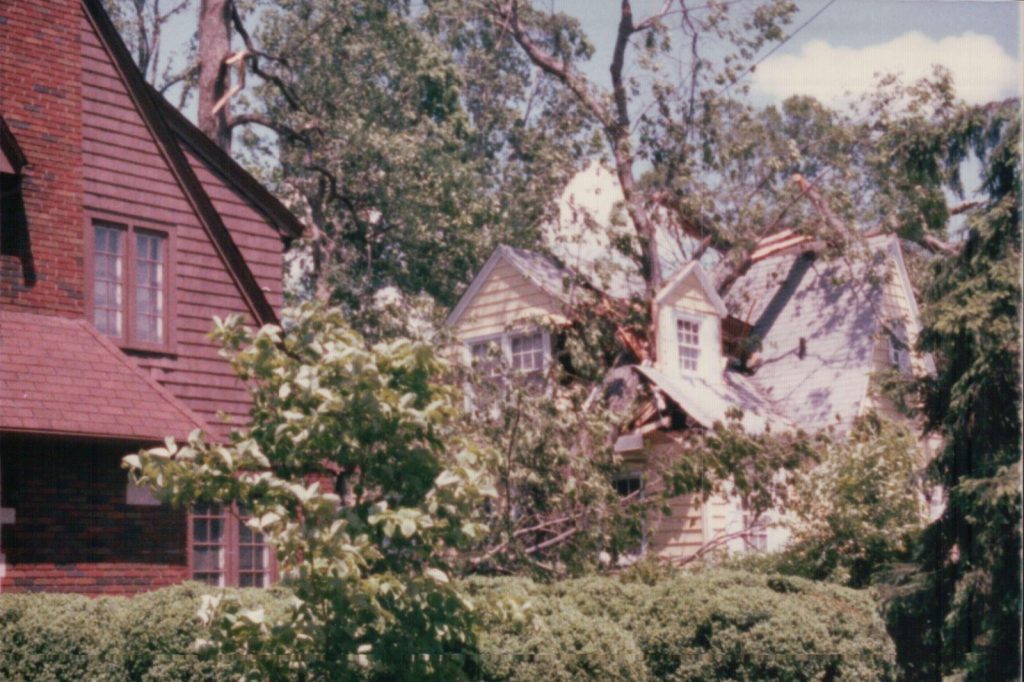
Standard homeowners insurance, according to Oehrke’s analysis, is built around protecting the building itself. Coverage typically applies to damage from events such as fire, wind, and hail.
That core protection is what most consumers expect when purchasing a policy. But the coverage is not open-ended. The article underscores that every standard policy has limitations, and the practical implication is that no homeowner can treat the contract as a blanket guarantee.
The HelloNation article clarifies which risks are routinely included and which ones require separate attention. For the average reader, the key takeaway is that knowing the structure is covered is only half the picture.
Understanding the boundaries of that protection is equally important. Oehrke’s insights zero in on a fundamental question: what does homeowners insurance really cover, and where do the gaps begin? The article sorts through the fine print so that homeowners can identify their own vulnerabilities.
It advises readers to review their policies with these gaps in mind and emphasizes that understanding what is not covered is just as important as knowing what is.
Historical Roots and Modern Realities
The concept of property insurance has deep roots, tracing back to the Great Fire of London in 1666, a disaster that left tens of thousands of people without shelter and spurred the first organized insurance schemes. That early model eventually crossed the Atlantic.
By the 19th century, mutual fire societies in the United States pooled resources to help members rebuild after blazes. A major milestone came in 1919, when the standardized homeowners policy began to take shape as insurers sought predictable rules for covering dwellings and personal liability. Over the decades, what started as narrow fire protection expanded into comprehensive packages that include theft, wind damage, and personal liability for accidents that occur on the property.
Today’s homeowners insurance remains a single contract that combines property coverage for the house and its contents with liability protection for injuries or damages caused by the owner or residents. That dual function has persisted.
However, rising natural disasters and escalating repair costs have pushed premiums higher and led insurers to tighten coverage in certain regions. For most households, the policy remains the primary safeguard against catastrophic loss, yet many people only discover after a claim is denied that specific risks–such as flooding, earthquakes, or routine maintenance issues–fall outside the standard agreement. Understanding those gaps matters because a single uncovered event can mean the difference between a full recovery and severe financial hardship.
Oehrke’s article serves as a practical guide for homeowners trying to make sense of their coverage, stripping away jargon and presenting the essentials in an accessible format. It encourages readers to look beyond the basics and consider additional planning for risks that a standard policy does not address.
For anyone who owns a home, the message is clear: the fine print contains both protections and omissions, and a thorough review is the first step toward real security.




