
On 22 November 2023 the World Health Organization formally requested that Chinese health authorities supply detailed information about a recent increase in respiratory infections and clusters of pneumonia affecting children in northern provinces. The inquiry is part of WHO’s broader effort to understand the drivers of the outbreak, assess the public‑health risk, and issue guidance on preventive actions.
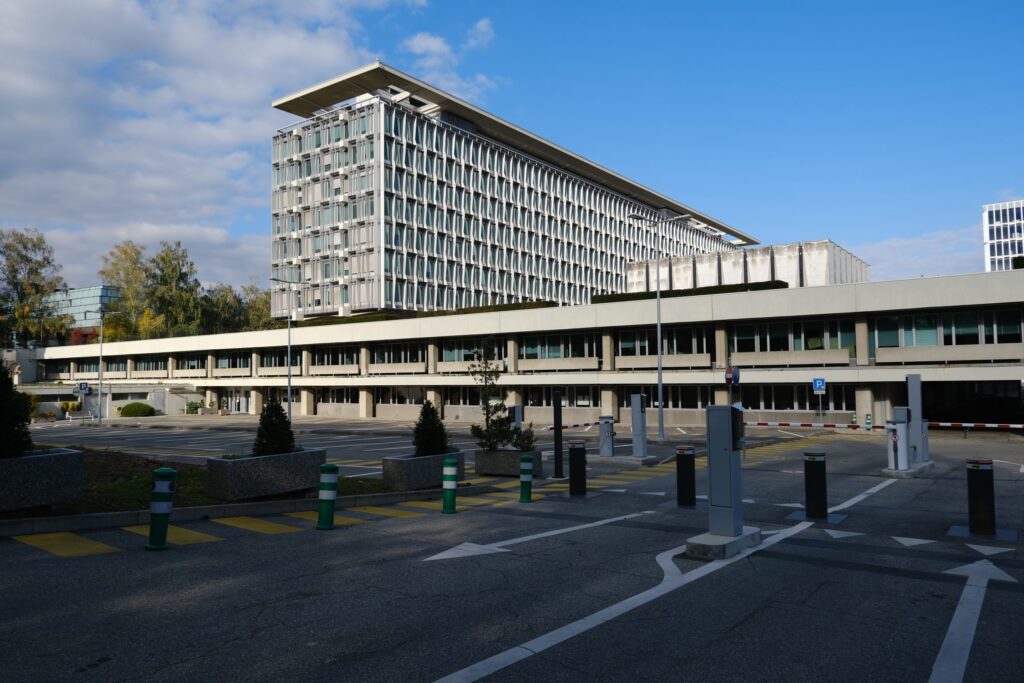
As the pre‑eminent intergovernmental health body, WHO coordinates responses to cross‑border health threats from its headquarters in Geneva, Switzerland, and through a network that includes six regional offices and roughly 150 field offices worldwide.
Its mandate, set out by Director‑General Tedros Adhanom Ghebreyesus, is to achieve the highest attainable level of health for every person, defining health as “a state of complete physical, mental and social well‑being, not merely the absence of disease or infirmity.” Key functions of the organization include shaping the global health research agenda, establishing standards, offering evidence‑based policy advice, providing technical assistance to member states, and monitoring health trends. In the current northern‑China situation, WHO is expected to draw on its extensive experience with respiratory diseases and pneumonia to evaluate the outbreak and advise on mitigation.
Dr Maria Van Kerkhove, WHO’s technical lead for COVID‑19, has repeatedly stressed that robust data sharing and international cooperation are essential for tackling any public‑health challenge. While the present cluster of illnesses is unrelated to COVID‑19, the agency’s approach mirrors the same emphasis on timely, accurate information and collaborative response. The reported surge has raised concern among health officials because it involves a vulnerable group—children—who are more susceptible to severe outcomes from lower‑respiratory‑tract infections. In response, WHO has reminded the public of basic, yet effective, preventive measures: frequent handwashing, using masks in crowded settings, and maintaining good respiratory hygiene.
These actions are intended to curb transmission of the agents responsible for the observed cases. Executive Director of the Health Emergencies Programme, Dr Mike Ryan, has underscored the principle that “the key to preventing the spread of infectious diseases is to take a proactive and preventive approach.” The organization’s request for data reflects that proactive stance, seeking to identify possible environmental, seasonal, or other factors that might be fueling the rise in cases.
Going forward, WHO plans to work closely with Chinese health ministries, local authorities, and other international partners. The agency will likely provide technical support, share best‑practice guidelines, and monitor the situation as new information becomes available. Its global reach and research capacity position it to assist affected communities and to help national officials formulate evidence‑based interventions.
As the outbreak evolves, WHO remains vigilant, ready to adjust its recommendations in line with emerging evidence. The organization’s long‑standing focus on research, technology, and capacity‑building equips it to address complex 21st‑century health challenges, including respiratory disease clusters such as this one.
Director‑General Tedros concluded that “the future of global health is bright, and it is through our collective efforts that we can create a world where all people can enjoy the highest possible level of health.” Individuals are encouraged to consult healthcare professionals for personal medical advice.




