
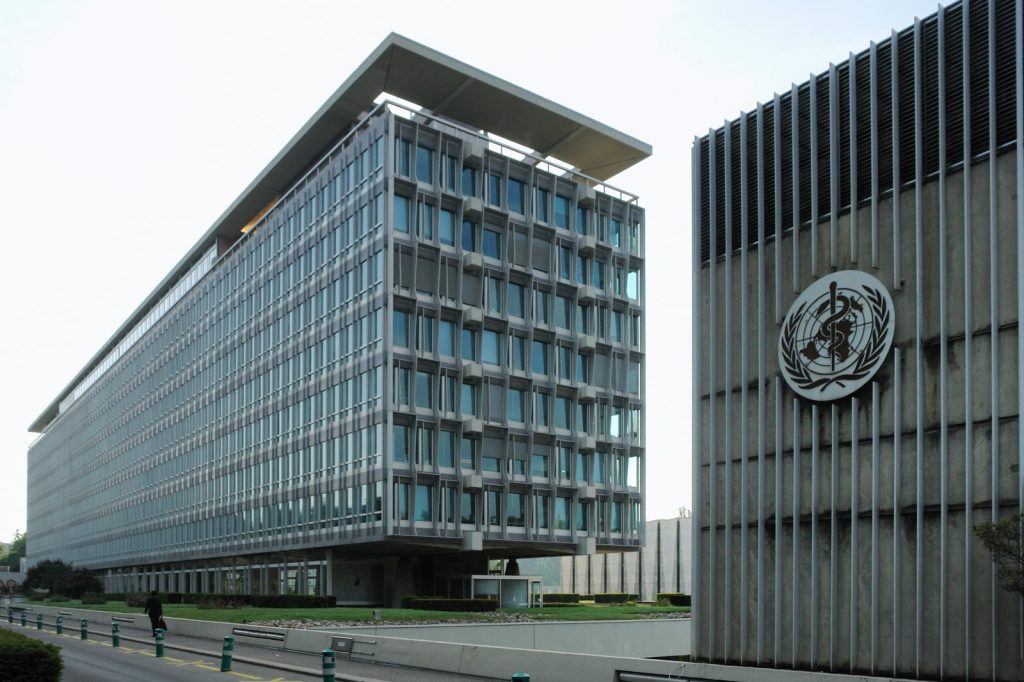
The World Health Organization has requested information from Chinese authorities regarding a surge in pediatric pneumonia cases in northern China, marking a renewed focus on respiratory illness data from Beijing three years after the COVID-19 pandemic began. The request, made on November 22, follows reports of pneumonia clusters filling children’s hospital wards in the region.
This situation differs significantly from the emergence of COVID-19 in Wuhan in 2020. The current pathogen is not novel, and the WHO’s request represents standard procedure rather than an emergency declaration. The organization maintains a standing relationship with Chinese health authorities and has operated regional offices in the area for decades.
The timing coincides with northern China’s cold season, when respiratory viruses typically peak and hospitals see increased numbers of children presenting with fever and cough. The WHO seeks to identify which pathogens are driving this year’s wave—whether influenza, RSV, Mycoplasma pneumoniae, or a combination. This information will determine the guidance the WHO issues to other countries.
Dr. Maria Van Kerkhove, the WHO’s technical lead for COVID-19, has emphasized the importance of global cooperation and information-sharing, a principle she applied during the pandemic and continues to advocate now. The organization’s structure supports this mission through six regional offices and 150 field offices worldwide, which set standards, monitor health trends, and provide technical support.
In northern China, such support could involve helping local laboratories identify pathogens or advising on infection control measures in pediatric units. The WHO’s Director-General defines health as complete physical, mental, and social well-being, and this request represents a narrow step toward that goal: obtaining data, assessing risk, and sharing findings.
The WHO has explicitly stated this is not COVID-19, but the approach shares a common foundation. The same mechanisms for surveillance, data collection, and international coordination apply, along with the same need for timely, accurate information and the same risk of misinformation spreading faster than the virus.
China has not yet released detailed figures on the respiratory surge. The WHO’s public request places the next move with Beijing. A quick, complete response would allow other countries to prepare, while a slow or incomplete one would leave the world operating without crucial information.
The WHO has extensive experience with respiratory diseases, including influenza pandemics, SARS, MERS, and COVID-19. Pneumonia in children is a known condition with existing diagnostic and treatment tools. What remains unknown is the local picture from northern China, which is what the WHO is requesting.
This request tests routine public health communication rather than crisis cooperation. It asks whether the WHO can obtain necessary data without an emergency and whether China can share information as part of normal global health monitoring. The WHO will issue guidance based on the response, and pediatricians worldwide will monitor the outcome. If a known pathogen drives the outbreak, the response is straightforward. If something new emerges, the WHO’s global network is already prepared. The agency is not raising an alarm but performing its standard function: requesting information and expecting an answer.




