
Board’s Decision and Immediate Fallout
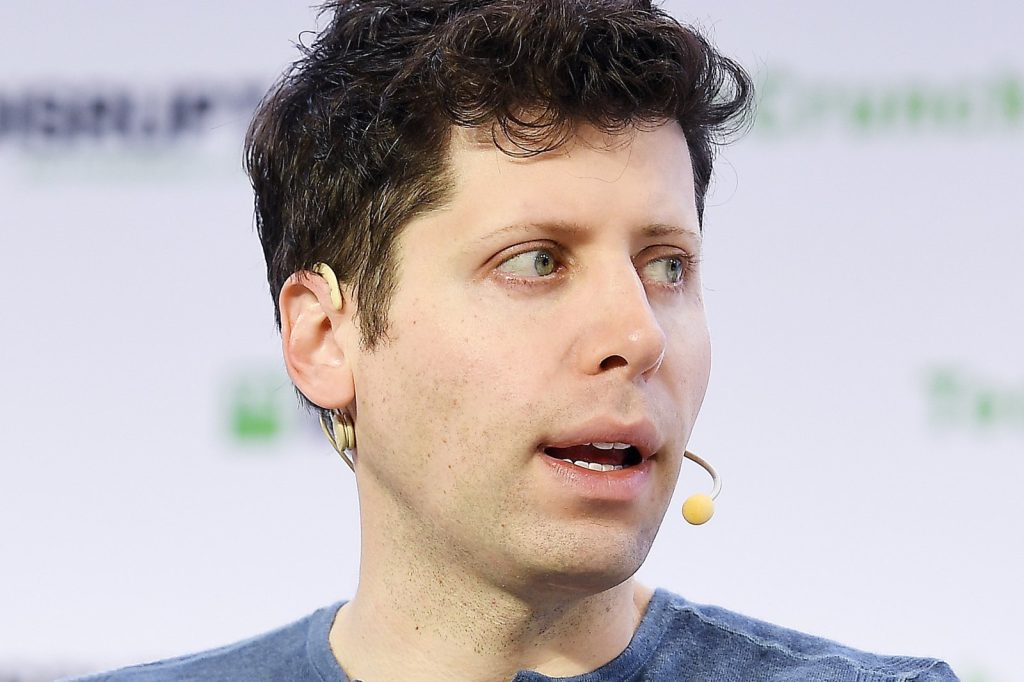
On November 17, 2023, OpenAI’s board removed Sam Altman from the role of chief executive officer. The announcement was brief, stating only that the board no longer had confidence in his ability to continue leading the organization. No further details were offered regarding any safety worries or claims of improper conduct. The move was taken internally, without informing Microsoft, the company’s principal financial supporter, which has committed billions of dollars to OpenAI. Microsoft learned of the change at the same time as the general public.
Market Reaction and Partner Shock
The news caused an immediate drop in Microsoft’s share price, reflecting investor aversion to uncertainty. A major stakeholder that had placed a substantial financial bet on OpenAI was caught off guard by a governance action that erased the public face of the venture. The episode highlighted the opacity and unpredictability of the board’s internal dynamics, a factor that carries a tangible cost for those who rely on the company’s steadiness.
Safety Narrative Undermined
OpenAI had positioned itself as the cautious, safety‑conscious leader in the pursuit of artificial general intelligence. Altman served as the chief advocate for that image, appearing before Congress, meeting with world leaders, and promoting the idea that powerful AI could be developed responsibly. By dismissing him without a clear explanation, the board weakened that very narrative. If the board cannot articulate its reasons beyond a vague loss of confidence, external observers have little basis to trust its judgment on AI safety matters.
Breach of Norms and Relationship Strain
The failure to consult Microsoft before the ouster represents a serious deviation from standard corporate practice. It suggests either that the board disregarded the potential fallout for its largest backer or that it deemed the decision too urgent to discuss externally. Either interpretation points to a breakdown in the usual business relationships that underpin OpenAI’s reliance on Microsoft’s cloud and computing infrastructure. For a firm that depends on those resources, such a rift poses a concrete threat.
Regulatory Attention and Governance Questions
Regulatory agencies have begun examining the circumstances surrounding Altman’s departure and what it means for the wider AI sector. As of November 19, the precise scope of those inquiries remained unclear, but the mere involvement of officials underscores how high the stakes have risen. The episode has moved beyond a typical Silicon Valley boardroom dispute and entered the realm of public policy and corporate governance, a domain that governments are actively seeking to comprehend and regulate.
Leadership Vacuum and Ongoing Risks
The board cited two areas of concern: worries about AI safety and allegations of abusive behavior by Altman, yet it supplied no evidence for either claim. This leaves observers puzzling over whether Altman was accused of moving too quickly and neglecting safeguards, or of being overly cautious and thwarting the board’s ambitions. Without clarification, the true motivation stays unknown. What is evident is that the board judged the danger of retaining him to outweigh the peril of dismissing him without a succession plan. That assessment is now being put to the test. Altman’s tenure was instrumental in securing the Microsoft investment, launching ChatGPT to global acclaim, and turning OpenAI into a recognizable brand. Removing him without an obvious successor or a thorough rationale creates a leadership gap. In a race to construct the most advanced AI systems, such a gap can invite internal disorder, external pressure, and heightened regulatory scrutiny. The board’s silence reads less as a sign of resolve and more as an indication of a hasty, fearful, or combined decision.
Outlook and the Real Cost
Over the coming months, Microsoft’s share price may rebound, and regulators may or may not uncover wrongdoing. However, the confidence that Altman cultivated among OpenAI’s partners, investors, and the broader public has been fractured. That erosion of trust constitutes the genuine loss incurred on November 17, and repairing it will demand more than a terse board statement.
Now count words. Let’s approximate




