
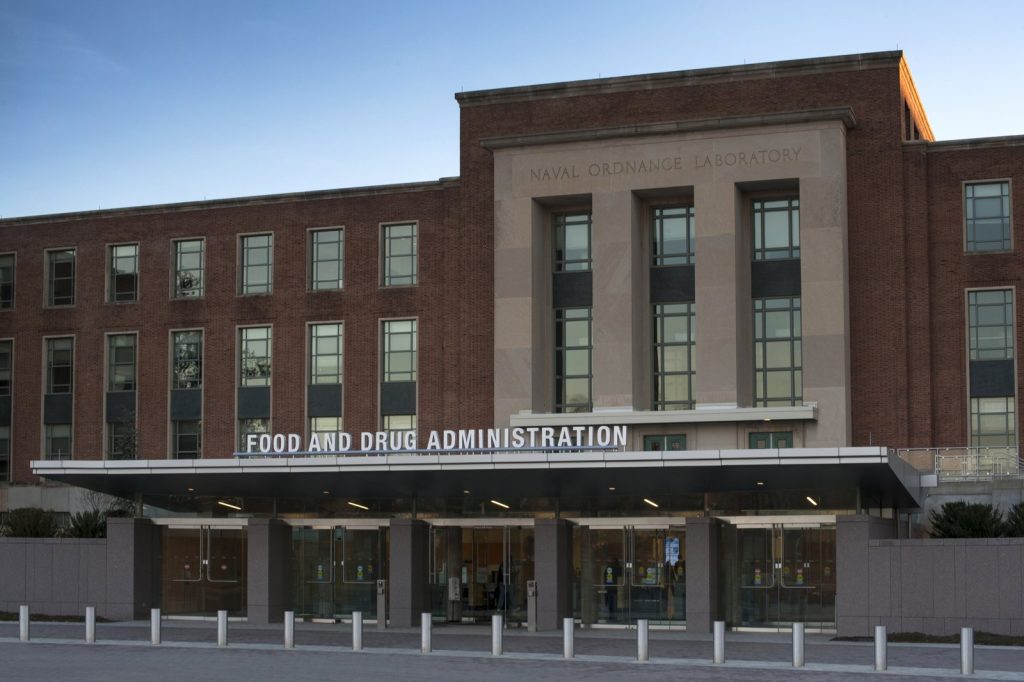
“It is exciting to see the first full FDA approval of a disease-modifying drug that targets the underpinning of Alzheimer disease pathology,” Dr. Anton Porsteinsson of the University of Rochester told NeurologyLive when the FDA converted lecanemab to traditional approval on July 6, 2023.
The drug, sold as Leqembi by Biogen and Eisai, won that status on the strength of the Clarity AD trial. It enrolled 1,795 patients with amyloid on PET scans or in spinal fluid and followed them for 18 months. Treated patients showed a statistically significant 27 percent reduction on the Clinical Dementia Rating-Sum of Boxes score, the primary end point. Lecanemab also slowed progression by 24 percent on ADCOMS and by 37 percent on ADCS MCI-ADL.
Safety findings
Brain swelling known as ARIA-E turned up in 12.5 percent of treated patients, and was symptomatic in 2.8 percent against none on placebo. Microhemorrhages and related bleeding, grouped as ARIA-H, appeared in 17.3 percent of the lecanemab group and 9.0 percent of the placebo group. Symptomatic ARIA-H was seen in 1.4 percent and 0.2 percent respectively.
A petition against approval, started by movement disorder specialist Dr. Alberto Espay after the advisory committee voted favorably, had nearly 500 signatures. It argued that lecanemab does not improve patients, may be harmful and is too expensive at $26,000 a year.
Medicare coverage
The Centers for Medicare & Medicaid Services issued a statement the same day announcing broader coverage. Before that, in April 2022, the agency had restricted coverage of anti-amyloid therapies. CMS Administrator Chiquita Brooks-LaSure said that with the FDA decision, “CMS will cover this medication broadly while continuing to gather data that will help us understand how the drug works.”
To qualify, a person must be enrolled in Medicare, have a diagnosis of mild cognitive impairment or mild Alzheimer’s dementia with documented amyloid plaque on the brain, and see a physician who takes part in a qualifying registry. Clinicians in the registry complete a short data submission. People with Original Medicare pay the standard 20 percent coinsurance once they meet their Part B deductible.
Under the Medicare coverage determination, any other drug in the class that wins traditional approval would be covered under the same framework.
The Alzheimer’s Association welcomed the decision. “This treatment, while not a cure, can give people in the early stages of Alzheimer’s more time to maintain their independence,” president and CEO Joanne Pike said. Dr. Howard Fillit, speaking separately, said the slowing of decline is promising but “not enough”: “We need to get to 100%, and even prevention.”
Consult your doctor for medical advice.
Sources
- FDA Grants Traditional Approval to Lecanemab as Therapy for Early-Stage Alzheimer Disease | NeurologyLive – Clinical Neurology News and Neurology Expert Insights
- Statement: Broader Medicare Coverage of Leqembi Available Following FDA Traditional Approval




