
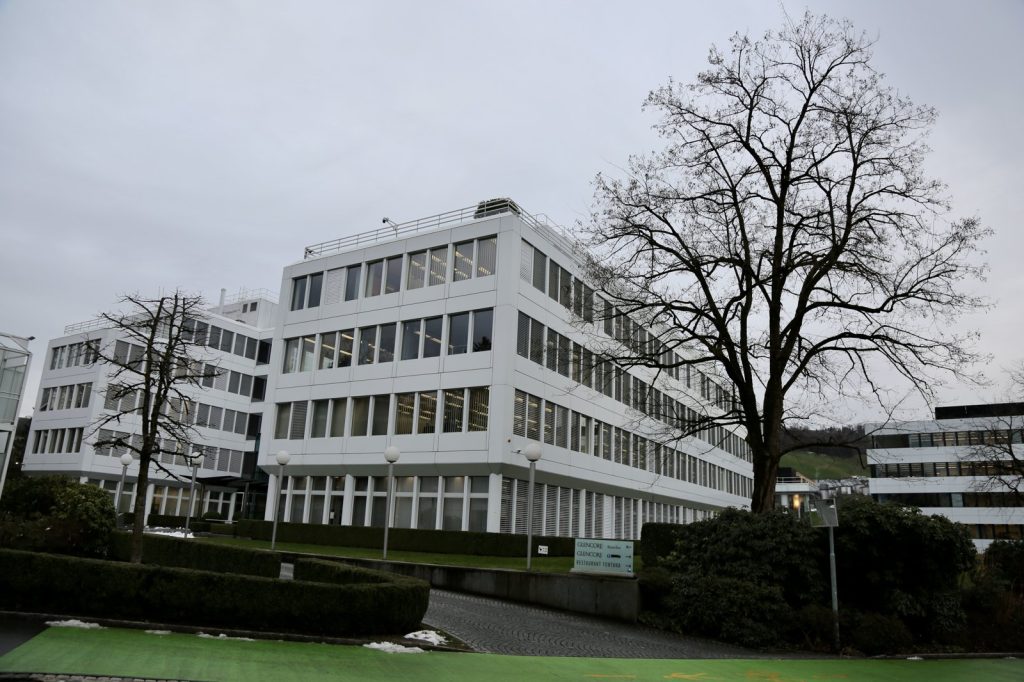
Glencore plc, the Swiss-based commodity giant, holds a 60% grip on the world’s internationally tradable zinc market. That single number, from 2010 data, explains why the company matters far beyond its own balance sheet. When Glencore shifts strategy, zinc prices move.
When zinc prices move, mines in Peru, smelters in China, and auto plants in Germany all feel it. The company’s reach extends across multiple commodities.
Its 50% share of internationally tradable copper gives it leverage over the metal essential for electrical wiring and construction. A 9% slice of the global grain trade means Glencore touches food supply chains. Even its 3% share of internationally tradable oil puts it in the game of global energy flows.
These market shares are not static trophies. They represent real power to influence prices, supply routes, and production decisions.
A company that controls half the copper moving across borders can squeeze margins for smaller traders. It can choose which refineries get material and which go hungry. The 2013 merger with Xstrata only deepened this capacity, folding major mining assets into the trading machine.
Glencore’s structure reflects its global footprint. The company lists on the London Stock Exchange, keeps its registered office in Saint Helier, Jersey, and runs its oil and gas headquarters from London. Its corporate home sits in Baar, Switzerland.
This arrangement gives it access to British capital markets, Swiss tax treatment, and Jersey’s legal framework. Critics point to the complexity as a shield for opaque dealings.
Supporters call it standard practice for a multinational with operations in dozens of countries. The company’s history traces back to Marc Rich + Co AG, founded in 1974. A management buyout in 1994 created Glencore as it exists today.
Rich himself was a controversial figure who fled the United States in 1983 after being indicted for tax evasion and trading with Iran during the hostage crisis. Glencore has spent years trying to distance itself from that legacy, but the DNA of aggressive, border-agnostic trading remains embedded in its culture.
For producers of zinc, copper, and grain, Glencore is both customer and competitor. A mining company might sell its output to Glencore for marketing, only to find Glencore using its own production facilities to undercut the market. This vertical integration — owning mines, smelters, and trading desks — lets the company capture profits at every stage.
It also concentrates risk. When commodity prices crash, Glencore’s own production becomes a liability, not just a trading opportunity. Watch for regulatory scrutiny.
The company’s dominant positions in several commodity markets attract attention from competition authorities. A 60% share of internationally tradable zinc is the kind of number that makes antitrust lawyers in Brussels and Washington take notes.
So far, Glencore has avoided forced breakups, but the pressure could mount if it uses its market power aggressively. The real question is how Glencore’s size affects the people and places its supply chains touch. A copper mine in the Democratic Republic of Congo owned by Glencore means jobs and tax revenue, but also environmental risks and labor disputes.
A grain trader with a 9% market share can help stabilize food prices in a drought year, or exacerbate shortages by diverting shipments to higher bidders. The company’s integrated model means it makes those calls daily, from its London and Baar offices, with consequences felt from the Zambian Copperbelt to the wheat fields of Kansas.




