
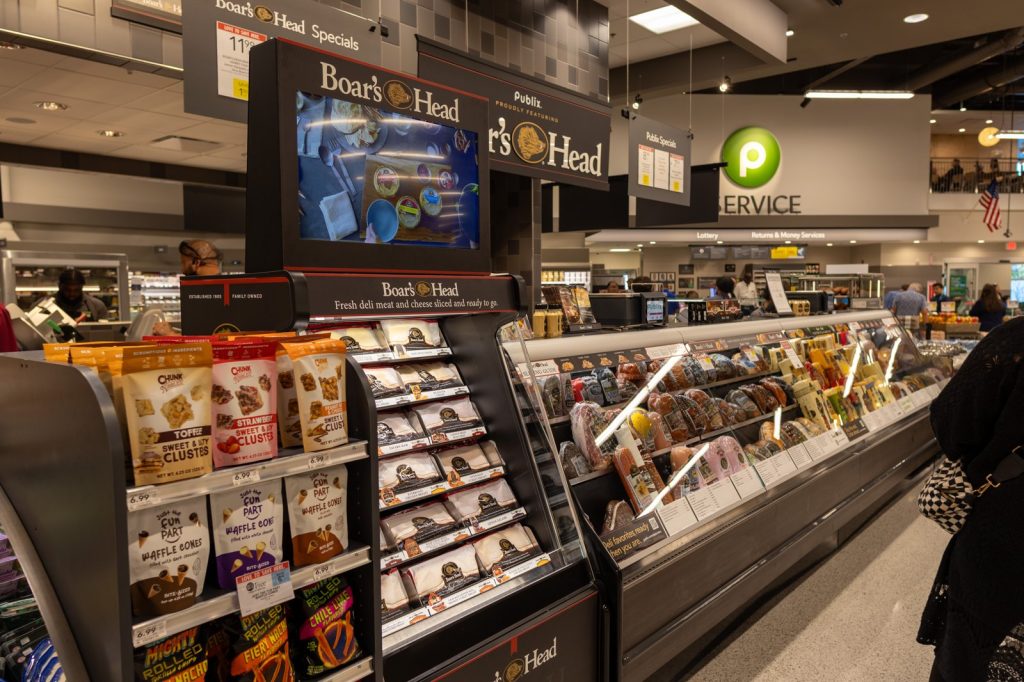
Ten people have died and more than 60 have been hospitalized after a listeriosis outbreak linked to Boar’s Head Provision Company. The contamination prompted a recall of over seven million pounds of ready‑to‑eat deli meats from the company’s Jarratt, Virginia plant.
The first illnesses were reported in May 2024, but the public was not alerted until July. The two‑month interval between the initial cases and the announcement of the recall has drawn intense scrutiny of the speed at which food‑safety alerts are communicated. Detecting foodborne illness clusters can be challenging.
Symptoms of listeriosis often appear weeks after exposure, laboratory confirmation may take several days, and tracing a specific strain of Listeria monocytogenes back to a single facility requires detailed investigation. Nevertheless, the lag has raised questions about whether the existing system moved quickly enough or if critical information was delayed.
Boar’s Head issued the recall on July 30, withdrawing the contaminated products after acknowledging the extent of the problem. By that point, however, the virus had already caused fatalities and serious illness. Inspection records released after the recall reveal a troubling pattern at the Jarratt plant. From August 2023 through August 2024, U.S. Department of Agriculture (USDA) inspectors documented 69 regulatory violations at the facility.
The citations included black mold, mildew, insect infestations, pooling blood on the floor and pervasive foul odors—conditions that create an environment conducive to bacterial growth. Such findings are especially alarming given that Boar’s Head produces ready‑to‑eat meats that are not cooked again before consumption.
Basic food‑safety principles dictate that products of this type must be free of visible contaminants like mold or blood, underscoring the seriousness of the violations. The sheer number of infractions suggests a systemic issue rather than isolated lapses. Current regulations allow inspectors to record violations, but unless a violation triggers an immediate shutdown or mandatory recall, a plant may continue operating and shipping product.
At present, the Centers for Disease Control and Prevention (CDC) and USDA are continuing their investigations. The death toll may rise as more cases are identified, and families of the victims are left to cope with loss and uncertainty.
Boar’s Head now faces a dual challenge: repairing a brand that has long been associated with quality and navigating potential legal exposure. The company’s response and any subsequent operational changes will be closely watched by the broader food‑processing sector. For the industry, the outbreak serves as a stark reminder of Listeria’s resilience.
The bacterium can survive in drains, on equipment and within coolers, thriving where hygiene standards falter. A facility that accumulates dozens of violations demonstrates a loss of environmental control, and that loss can translate directly into human casualties.
While the outbreak was eventually detected and a massive recall enacted, the delay between the first reported illnesses in May and the recall at the end of July illustrates a critical vulnerability in the food‑safety oversight system. Closing that gap is essential to prevent future incidents that could claim additional lives.




