
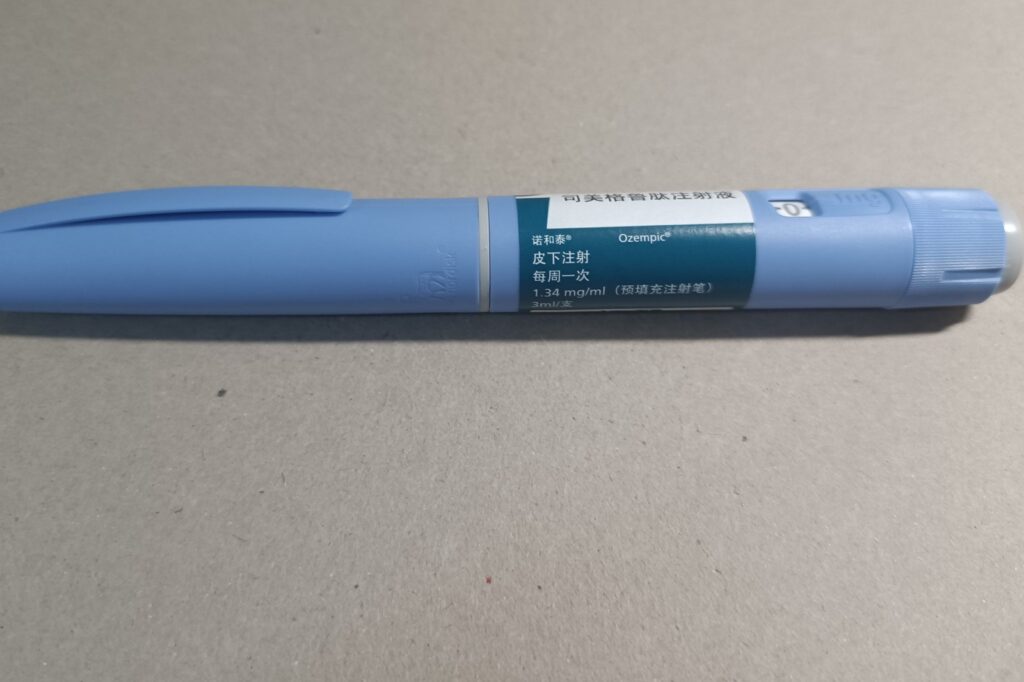
SILVER SPRING, November 10, 2026 — The FDA is requiring a labeling update for all approved GLP-1 receptor agonists, including Ozempic and Mounjaro, to include a potential increased risk of non-arteritic anterior ischemic optic neuropathy (NAION), a rare condition that can cause sudden, painless vision loss.
What This Means for Patients
For families relying on these medications, the news may raise concerns. NAION is a serious eye condition that can lead to permanent vision loss, often in one eye. The FDA’s action comes after a review of 126 clinical trials involving 78,217 patients, which identified 15 probable NAION events. While the risk is rare, it’s important for patients to know the warning signs: painless vision loss in one eye, blurred vision, missing patches of sight, distorted colors, and hazy spots affecting central vision. If you or a loved one experiences any of these symptoms, contact your healthcare provider immediately.
Behind the Breakthrough
The FDA’s decision was prompted by a 2024 study published in *JAMA Ophthalmology* that first linked semaglutide, the active ingredient in Ozempic and Wegovy, to a higher risk of NAION. The agency conducted a comprehensive review, including a meta-analysis of clinical trials and real-world data. While the evidence is not definitive—animal studies did not identify a mechanism, and risk factors for NAION overlap with conditions treated by GLP-1 drugs—the FDA concluded that the potential risk warranted a class-wide label update.
The Human Side
This update affects 12 widely used medications, including Novo Nordisk’s Wegovy and Ozempic, and Eli Lilly’s Mounjaro and Zepbound. These drugs have transformed the treatment of Type 2 diabetes and obesity, offering significant benefits for weight loss, blood sugar control, and cardiovascular health. Both companies have expressed confidence in the benefit-risk profile of their products, noting that the data do not establish a clear cause-and-effect relationship with NAION.
For patients, the key takeaway is awareness. NAION is rare, but its impact can be life-altering. There is currently no proven treatment to reverse vision loss caused by the condition. If you’re taking a GLP-1 medication, stay vigilant for any changes in your vision and consult your doctor if you have concerns. As always, the balance between the benefits and risks of these medications should be a conversation between you and your healthcare provider.
The FDA’s action underscores the ongoing vigilance required in monitoring the safety of widely used drugs. While the risk of NAION is small, it’s a reminder that even the most effective treatments come with potential side effects. Talk to your doctor if you have questions about your medication and what this update means for you.
Sources
- FDA orders class-wide GLP-1 label update to include potential risk for rare eye disease
- US FDA orders new eye risk warnings for Ozempic, Zepbound | CNN
- FDA Requires Class-Wide GLP-1 RA Labeling Changes for Potential NAION Risk | Pharmacy Times
- FDA requires NAION warning across the GLP-1 receptor agonist class | Eye Care Network – Ophthalmology Times
- GLP-1 drugs must have new warning label over incurable blindness condition, says FDA
Photo: HualinXMN (CC BY-SA 4.0)




