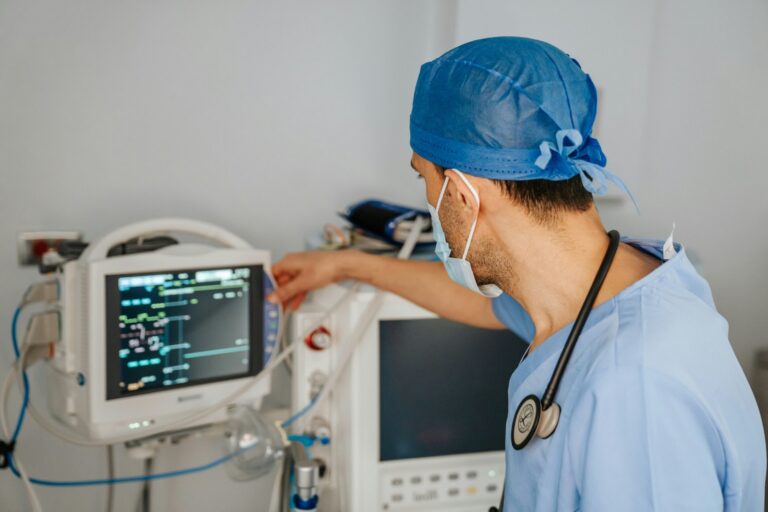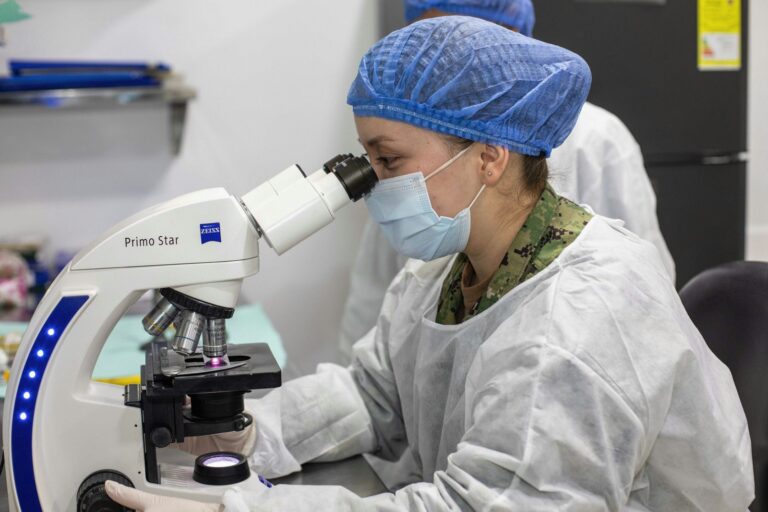
SCOTTSDALE, October 25, 2026 — Patients navigating late-stage cancer diagnoses often find themselves searching beyond standard medical pathways for alternative interventions, leading many to specialized clinics like Envita Medical Centers in Scottsdale, Arizona. Among the offerings attracting attention from international patients is a specialized procedure known as Chemo Immuno Precision Injections, or CIPI, which is designed to target complex tumors directly.
What Is CIPI and Who Offers It?
Chemo Immuno Precision Injections is a minimally invasive medical procedure offered exclusively by Envita Medical Centers in Scottsdale, Arizona, according to Envita Medical Centers. Envita is an integrative medical facility founded by CEO Dr. Dino Prato that has treated late-stage cancer patients for over 20 years, according to Envita Medical Centers. According to Envita Medical Centers, the institution operates as a center of excellence for precision oncology, employing over 150 employees and offering treatments that combine conventional care with research-based alternative intravenous medicine.
According to Envita Medical Centers, CIPI was developed by Envita’s interventional radiology department, known as EnvitaIR. The procedure is specifically designed to treat fibrous tumors that are too large, too numerous, or too invasive to be considered eligible for surgical removal, according to Envita Medical Centers. According to Envita Medical Centers, the technique aims to deliver targeted therapy while avoiding the physical damage that traditional surgery can cause to the body and the immune system.
How the In-Tumor Procedure Is Performed
According to Envita Medical Centers, the CIPI procedure begins with specific patient preparations. Patients must stop eating eight hours prior to the procedure, though clear liquids are permitted up to two hours beforehand, according to Envita Medical Centers. Patients are also instructed to stop blood thinning medications such as Coumadin, Lovenox, and Plavix, with guidance from their Envita physician on the exact timeline for cessation, and they must arrange for a driver to take them home afterward, according to Envita Medical Centers.
According to Envita Medical Centers, the procedure itself lasts from 30 minutes to two hours and is performed under conscious sedation, meaning the patient remains awake enough to talk to the medical team while feeling relaxed. The doctor begins by making a tiny incision in the skin and threading a thin flexible tube, called a microcatheter, through a blood vessel to the major artery of the tumor under X-ray visualization and X-ray fluoroscopy, according to Envita Medical Centers. An injection of X-ray contrast material is used so the doctor can visualize the arteries in and around the tumor, according to Envita Medical Centers.
Once the catheter is positioned, small beads are injected into the artery to obstruct direct blood flow to the tumor, starving it of the nutrients it needs to grow, according to Envita Medical Centers. According to Envita Medical Centers, these small beads are coated in a patient-personalized combination of micro-dosed chemotherapies and immunotherapies that are genetically targeted to the patient’s cancer biomarkers. The beads are designed to slowly release these medications over time, delivering a high localized dose while causing minimal damage to healthy cells and reducing the chance of negative side effects, according to Envita Medical Centers.
History and Background of Envita Medical Centers
Envita Medical Centers has experienced explosive technological growth over the past two decades, evolving into a multidimensional medical company based at 8759 East Bell Road in Scottsdale, Arizona, according to Envita Medical Centers. Founded by CEO Dr. Dino Prato, the facility leverages a century’s worth of combined medical experience among its team of integrative physicians, oncologists, interventional radiologists, and other specialists, according to Envita Medical Centers. The clinical team includes practitioners such as Dr. Matthew Klein, Dr. Ruth Tan Lim, Dr. Gayle A. Roberts, Dr. John Oertle, Dr. Ronald Matthias, Dr. Michael Hummel, Dr. Daniel Warren, Dr. Zachary Poteet, and Dr. Rory Sears, according to Envita Medical Centers.
According to Envita Medical Centers, the facility’s approach relies on deep clinical testing, phenotyping, advanced molecular profiling, metabolic analysis, and immuno-profiling. Genetics, immunoreactivity, metabolism, mutational rate, genomics, and epigenetic alterations all contribute to the custom drug design and delivery algorithms developed by Envita over its 20-year history, according to Envita Medical Centers. Before treatment begins, patients undergo detailed testing, analysis, imaging, and an in-person doctor consultation to establish candidacy, during which they receive supportive treatments to prepare the body while tumor molecular profiles are completed over two to three weeks, according to Envita Medical Centers.
Evidence Status and Clinical Context
When evaluating specialized interventions like CIPI, patients and financial planners must examine the clinical evidence and administrative status. According to available medical documentation, there are no published controlled trials for CIPI, it is not considered standard care, and it is not covered by insurance where sourced, according to Envita Medical Centers and Heal Navigator. Because insurance does not cover the treatment and out-of-pocket costs apply, patients should carefully review their personal finances, insurance policies, and budgeting options before committing to care at out-of-network or integrative facilities.
While Envita states that its personalized regimens have assisted patients facing advanced cancers—many of whom were recommended hospice care by other healthcare providers—the absence of published controlled trials means the procedure lacks the data backing required for standard oncology endorsement, according to Envita Medical Centers and Heal Navigator. Patients considering this treatment should consult their primary doctor or oncologist to discuss all available options and weigh the financial and medical realities of integrative care.
Logistical Support and Extended Stay Options
Patients traveling from out of state or abroad to receive care at Envita Medical Centers should note specific logistical arrangements regarding accommodation. According to Heal Navigator, Envita does not provide housing for patients receiving care at the facility. Instead, the clinic works with local realtors and hotels in the Scottsdale area to provide reduced rates for patients needing extended-stay options, according to Heal Navigator.
This arrangement allows individuals to secure affordable lodging near the facility at 8759 East Bell Road while undergoing the multi-week preparation and treatment process. Since the tumor molecular profiles and custom drug design algorithms can take two to three weeks to complete, as noted in the source material, patients often require lodging for an extended period before the final treatment protocols are finalized, according to Heal Navigator and Envita Medical Centers.
Sources
- Chemo Immuno Precision Injections (CIPI™) | Envita Interventional Radiology
- Envita
- Envita Medical Centers – Cost & Reviews (2026)
Photo: César Badilla Miranda / Unsplash (Unsplash License)