Twenty-six people in Sinazongwe district developed sores on their faces, arms and fingers in June 2023 after eating meat from three dead hippos. That cluster, in Zambia’s Southern Province, turned out to be one corner of the country’s worst anthrax outbreak in more than a decade.
By November 20, 2023, the World Health Organization counted 684 suspected human cases and four deaths, spread across 44 of the country’s 116 districts. Nine of Zambia’s 10 provinces had reported infections.
Where it began
Zambia notified the WHO of the human outbreak on November 1, 2023. The first human cases had turned up at the Dengeza Health Post in Sinazongwe on May 5, and cattle, goats and hippos were reported dying of an unknown cause in the same area. A review later found 42 suspected human cases at the post between September 2022 and January 2023, all with skin sores and ulcers. Early culture tests on those samples came back negative. The first confirmed human case came on June 16, and cattle and goat samples tested positive on July 17.
Sinazongwe stayed the epicentre. It accounted for 287 of the 684 cases, or 42%, and two of the four deaths. By province, the Southern region had 370 cases, Western 84, Lusaka 82, Eastern 66 and Muchinga 47. Most symptomatic cases were linked to confirmed ones rather than tested themselves.
Animals and vaccines
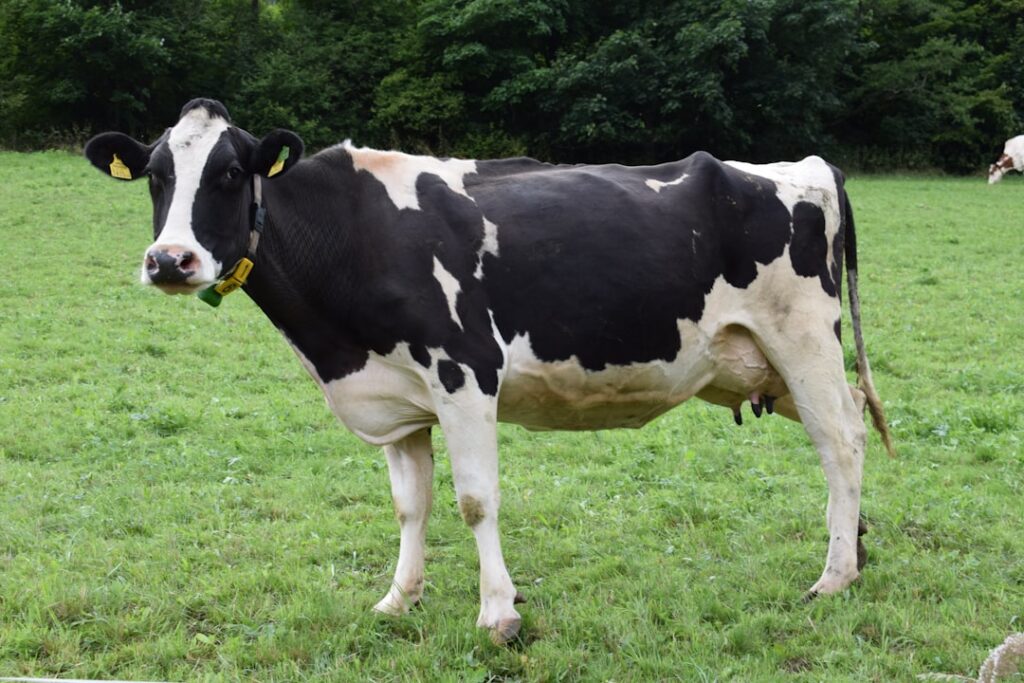
The livestock side was also large. As of November 21, there were 568 cases in domestic and wild animals across 11 districts. In the herds of Sinazongwe alone, 13 animals, 10 cattle and three goats, were reported dead of suspected anthrax. Hippos were the main wildlife casualties, in Eastern and Southern provinces.
With help from the Food and Agriculture Organization, livestock vaccination started at the epicentre and spread to other districts. By November 19, 338 000 doses had been distributed. A task force of the health and livestock ministries coordinated the response.
Why it spread
The WHO said this was the first major outbreak to cover nine of the 10 provinces. Earlier ones had stayed in the Northwest and Western provinces, though Western Province had outbreaks in people and animals in 2017, and Eastern Province in both 2016 and 2011. Voice of America, citing the WHO, reported that Zambia was having its worst year since 2011, and that the agency saw a high risk of spread into neighbouring countries.
The agency pointed to several drivers: climatic shocks, food insecurity, low awareness of the danger and contact with meat from sick animals. Anthrax is caused by the spore-forming bacterium Bacillus anthracis. It does not normally pass between people. Penicillin and other antibiotics work, and prompt treatment can push the death rate below 1%. The four deaths in Zambia amounted to a case fatality rate of 0.6%.
Zambia was not alone. Kenya, Malawi, Uganda and Zimbabwe also reported outbreaks, and across the five countries the WHO recorded 1,166 suspected cases and 20 deaths that year. Uganda accounted for 13 of the deaths.
Sources
- Anthrax – Zambia (WHO Disease Outbreak News)
- Five countries in East and Southern Africa have anthrax outbreaks, WHO says (VOA)
- Zambians warned not to eat dead wildlife after anthrax kills dozens of animals (BBC)