
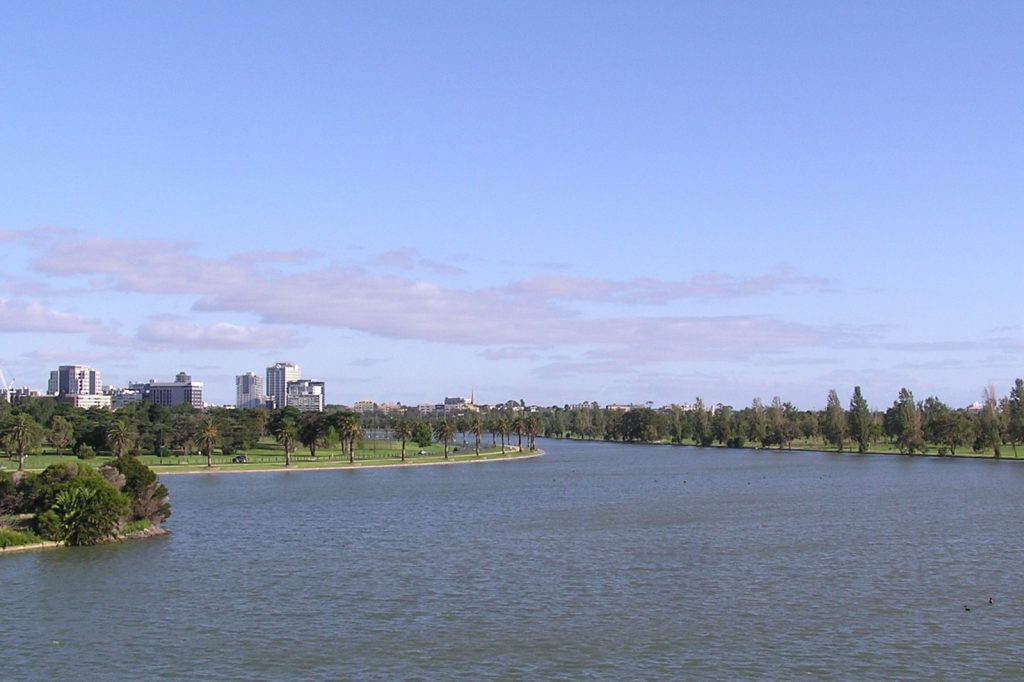
Albert Park Lake was the setting last week for an event that, on its surface, looked like a community yoga class. But the 12th International Day of Yoga, organised by the Consulate General of India in Melbourne, carried weight beyond the mats and breathing exercises. It was a diplomatic and commercial signal, aimed squarely at an Australian audience confronting an aging population and rising healthcare bills.
The theme this year was “Yoga for Healthy Ageing.” Organisers ran sessions focused on physical health, mental wellbeing, and harmony. Officials said the programme was designed to show how regular yoga practice can support people as they get older.
That message landed in a city where the median age is climbing, and where health spending per capita is among the highest in the developed world. Australia’s healthcare system is under strain. The federal government spends roughly $100 billion a year on health.
A demographic bulge of baby boomers is moving into retirement. Yoga, as a low-cost preventive tool, offers a way to shift some of that burden.
It costs almost nothing to practice. It requires no expensive equipment. And it can be done at home, in a park, or in a community hall.
That has market implications. India has long exported yoga as a cultural practice. But the commercial side is growing.
Wellness tourism, teacher training, and certification programs are all service exports that flow from events like this one. The Consulate General’s decision to hold the event at a public park near the central business district — Albert Park Lake — was not accidental.
It put the practice in front of ordinary Melburnians, not just the diaspora. Data from India’s Ministry of External Affairs shows the government has been pushing International Day of Yoga through its diplomatic missions since 2015. The Melbourne event is one of hundreds held annually across Australian cities.
But the local angle matters. Victoria has one of the highest concentrations of Indian-born residents in the country.
The community is large, and it is growing. Events like this one strengthen cultural ties between India and the wider Australian community, organisers said. The turnout was not reported.
But the location — a lake in a public park, accessible by tram and bike path — suggested organisers aimed for broad reach. This was not a ticketed conference. It was a free, open-air gathering.
Anyone could join. The focus on healthy ageing also aligns with state government priorities.
Victoria’s Department of Health has run campaigns around preventive health and active living for years. Yoga fits neatly into that framework. It is low-impact, accessible to people with limited mobility, and backed by a growing body of research showing benefits for balance, flexibility, and mental health in older adults.
Organisers noted the event reflected the growing popularity of yoga in Australia. That is measurable.
Industry data shows yoga studios have multiplied in Melbourne over the past decade. Class-pass apps list hundreds of options. The practice has moved from niche to mainstream.
The Consulate General of India in Melbourne did not release a participant count. But the symbolism was clear. A diplomatic mission using a public park to promote a traditional practice, framed as a solution to a modern economic problem.
That is not unusual. What is notable is the scale.
Hundreds of similar events are held across Australian cities each year. They are coordinated, consistent, and tied directly to Indian government policy. For Melbourne, the event was a morning of stretching and breathing by a lake.
For the diplomat who organised it, it was a small piece of a larger strategy — one that links culture, commerce, and health policy into a single, exportable package.




